




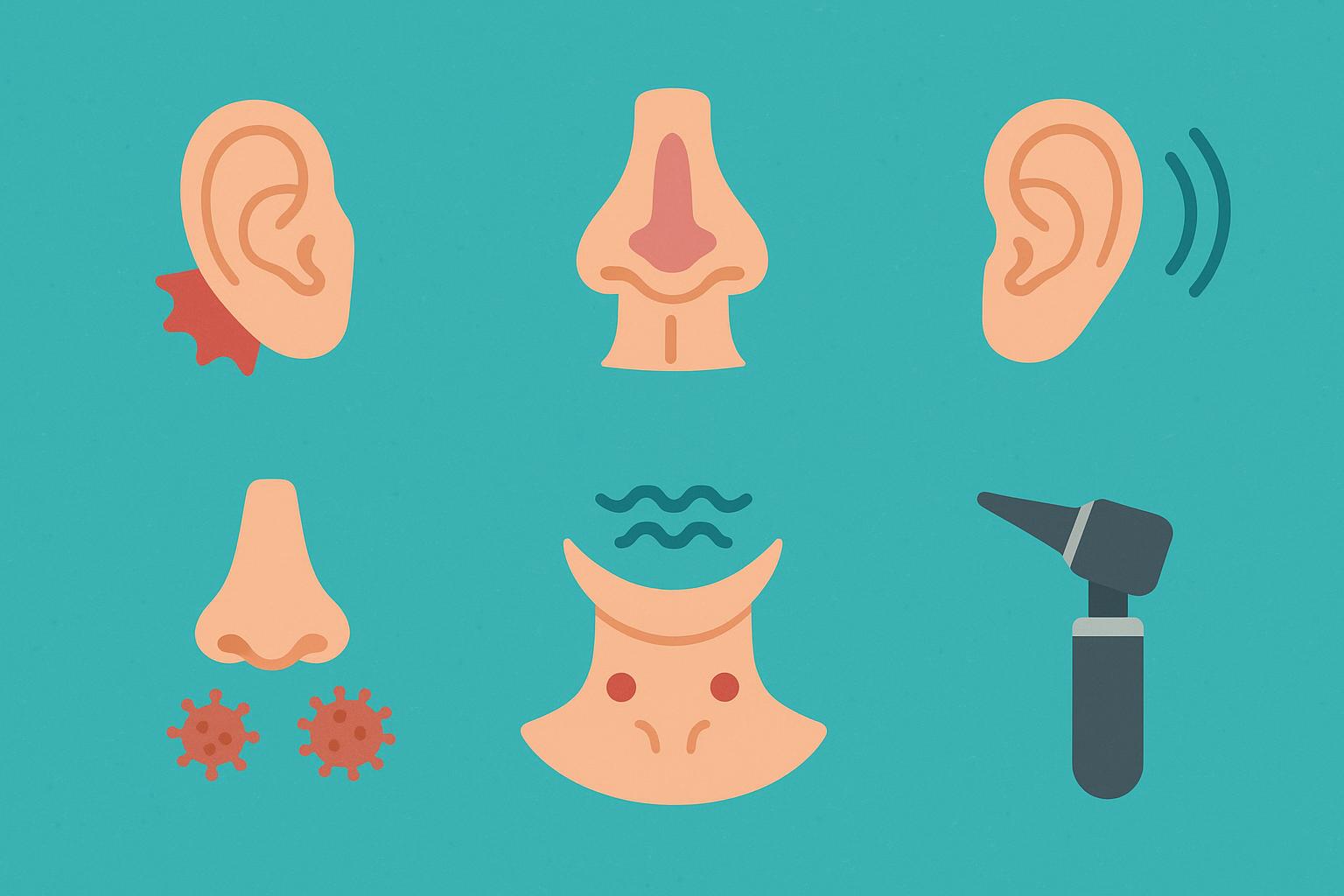
Ear, nose, and throat (ENT) health is often overlooked until symptoms begin to interfere with daily life. In Singapore, where urban living, air-conditioned environments, and high screen exposure are part of everyday routine, ENT-related conditions are increasingly common across both adults and children. Many of these issues start subtly; mild discomfort, occasional snoring, or recurring “colds,” but can progress into chronic conditions if left untreated.
Consulting an ENT specialist Singapore early can make a significant difference in diagnosis, treatment outcomes, and long-term quality of life. Below are six of the most common reasons patients seek ENT care.
1. Persistent or Recurrent Sinus Problems
One of the leading reasons patients visit ENT clinics is ongoing sinus-related discomfort. Symptoms such as facial pressure, nasal blockage, post-nasal drip, and reduced sense of smell are often dismissed as prolonged colds.
However, when these symptoms persist beyond 10-14 days or recur frequently, it may indicate sinusitis, an inflammation of the sinus cavities. In Singapore’s humid climate combined with indoor air-conditioning, sinus irritation can become chronic for many individuals.
ENT evaluation typically involves nasal endoscopy to assess structural issues such as a deviated septum, nasal polyps, or chronic inflammation. Management may include nasal sprays, antihistamines, saline irrigation, or in more severe cases, minimally invasive sinus surgery.
Early intervention is important because untreated sinusitis can significantly affect sleep quality, productivity, and overall well-being.
2. Hearing Loss or Changes in Hearing
Hearing-related concerns are another major reason for ENT consultations. Patients may notice difficulty understanding conversations, frequently increasing television volume, or experiencing a sensation of “blocked ears.”
Hearing loss can occur gradually due to ageing (presbycusis), prolonged noise exposure, earwax buildup, or infections. In Singapore, prolonged headphone use and exposure to urban noise contribute to a growing number of younger patients presenting with early hearing changes.
ENT specialists perform hearing assessments such as audiometry and tympanometry to determine the type and severity of hearing loss. Depending on the diagnosis, treatment may include earwax removal, medication for infections, hearing aids, or further investigation for inner ear conditions.
Importantly, untreated hearing loss can affect cognitive health, communication, and social engagement, especially in older adults.
3. Chronic or Recurrent Sore Throat and Tonsil Issues
Frequent sore throats are often brushed off as minor infections, but when they occur repeatedly, they may signal underlying tonsil or throat conditions. Patients may experience pain when swallowing, bad breath, or visible tonsil swelling.
A common diagnosis is chronic tonsillitis, where the tonsils remain persistently inflamed or infected. This is especially common in children and young adults. Recurrent infections can disrupt school attendance, sleep, and daily functioning.
ENT specialists evaluate the frequency of infections and severity of symptoms to determine whether medical management or surgical removal (tonsillectomy) is appropriate.
In Singapore clinics, minimally invasive approaches are often preferred, focusing on faster recovery and reduced discomfort where surgery is required.
4. Snoring and Sleep-Related Breathing Problems
Snoring is often considered a lifestyle inconvenience, but it can sometimes indicate a more serious condition involving airway obstruction during sleep. Loud, habitual snoring accompanied by breathing pauses, restless sleep, or daytime fatigue may suggest obstructive sleep-related breathing disorders.
A key concern evaluated by ENT specialists is sleep apnoea, a condition where breathing repeatedly stops and starts during sleep due to airway collapse.
In Singapore, increasing awareness among parents and adults has led to more patients seeking ENT assessment for sleep-related concerns. Contributing factors may include nasal obstruction, enlarged tonsils, obesity, or jaw structure.
ENT evaluation may involve airway examination, sleep studies, and endoscopic assessment of nasal and throat structures. Treatment options vary from lifestyle modifications and nasal therapy to continuous positive airway pressure (CPAP) or surgical interventions in selected cases.
Addressing sleep-disordered breathing is essential, as untreated conditions can increase risks of hypertension, cardiovascular disease, and impaired daytime performance.
5. Ear Pain, Infections, and Wax Blockage
Ear discomfort is another frequent reason for ENT visits. Symptoms may include pain, fullness in the ear, reduced hearing, ringing sounds (tinnitus), or discharge.
Common causes include outer ear infections, middle ear infections, or impacted earwax. In Singapore’s humid climate, bacterial and fungal ear infections can occur more easily, especially in swimmers or individuals who frequently use earbuds.
Simple wax impaction is often underestimated but can significantly affect hearing and cause discomfort if not properly removed. Self-cleaning attempts using cotton buds can worsen the condition by pushing wax deeper into the ear canal.
ENT specialists provide safe microscopic ear cleaning and diagnose underlying infections or structural issues. Early treatment helps prevent complications such as eardrum damage or chronic ear disease.
6. Allergies and Persistent Nasal Symptoms
Allergic rhinitis is a growing concern in urban environments, including Singapore. Symptoms such as frequent sneezing, nasal congestion, itchy eyes, and runny nose can significantly affect daily life.
Triggers may include dust mites, pollen, pet dander, or environmental pollutants. Many patients self-medicate with over-the-counter antihistamines, but persistent symptoms often require specialist evaluation.
ENT specialists assess whether symptoms are allergy-related or linked to structural nasal issues. Diagnostic tools may include allergy testing and nasal endoscopy.
Management typically involves a combination of allergen avoidance strategies, medication, and in some cases, immunotherapy. Addressing chronic nasal inflammation can improve sleep, concentration, and overall respiratory health.
Why Early ENT Consultation Matters
Many ENT conditions develop gradually and are easily overlooked in their early stages. However, delaying treatment can lead to complications such as chronic infection, irreversible hearing damage, or long-term sleep disruption.
Visiting an ENT specialist Singapore early allows for accurate diagnosis using advanced diagnostic tools and evidence-based treatment plans tailored to individual needs. Modern ENT care in Singapore increasingly focuses on minimally invasive techniques, faster recovery times, and patient-centred management strategies.
Whether it is recurring sinus issues, hearing changes, or sleep disturbances, early assessment ensures better long-term outcomes and prevents progression into more complex conditions.
When Should You See an ENT Specialist?
You should consider an ENT consultation if you experience:
- Symptoms lasting longer than 10-14 days without improvement
- Recurrent infections affecting the ears, nose, or throat
- Noticeable changes in hearing or balance
- Persistent snoring or suspected sleep breathing issues
- Chronic nasal blockage or facial pressure
- Frequent sore throats or difficulty swallowing
These symptoms may seem minor initially, but they often indicate underlying ENT conditions that benefit from early medical attention.
Final Thoughts
ENT health plays a crucial role in breathing, communication, sleep, and overall quality of life. In a fast-paced environment like Singapore, where environmental and lifestyle factors can contribute to ENT issues, timely care is essential.
By understanding the six key reasons patients seek ENT care, from sinusitis and hearing loss to sleep apnoea and chronic tonsillitis, individuals can make more informed decisions about when to seek help.
Early consultation with an otolaryngologist not only improves symptoms but also prevents long-term complications, supporting better health outcomes across all age groups.