




Damon Deteso is a board-certified radiologist based in Saratoga Springs, New York, with more than two decades of experience in diagnostic imaging. As a longtime physician with Millennium Medical Imaging PC, he has interpreted CT scans, MRI studies, ultrasounds, nuclear medicine imaging, and X-rays for hospitals, outpatient clinics, and emergency departments throughout the region. In addition to his clinical work, Dr. Damon Deteso has contributed to advancements in radiology through research and advisory work focused on artificial intelligence applications in medical imaging. His academic and professional background includes training at Tufts University School of Medicine, the University of California, San Francisco, and the University of Massachusetts Medical School. Given his extensive experience in imaging technology and patient care, Dr. Damon Deteso offers informed perspective on how patients can prepare for medical imaging examinations and better understand the process.
A Basic Introduction to Preparing for Medical Imaging Examinations
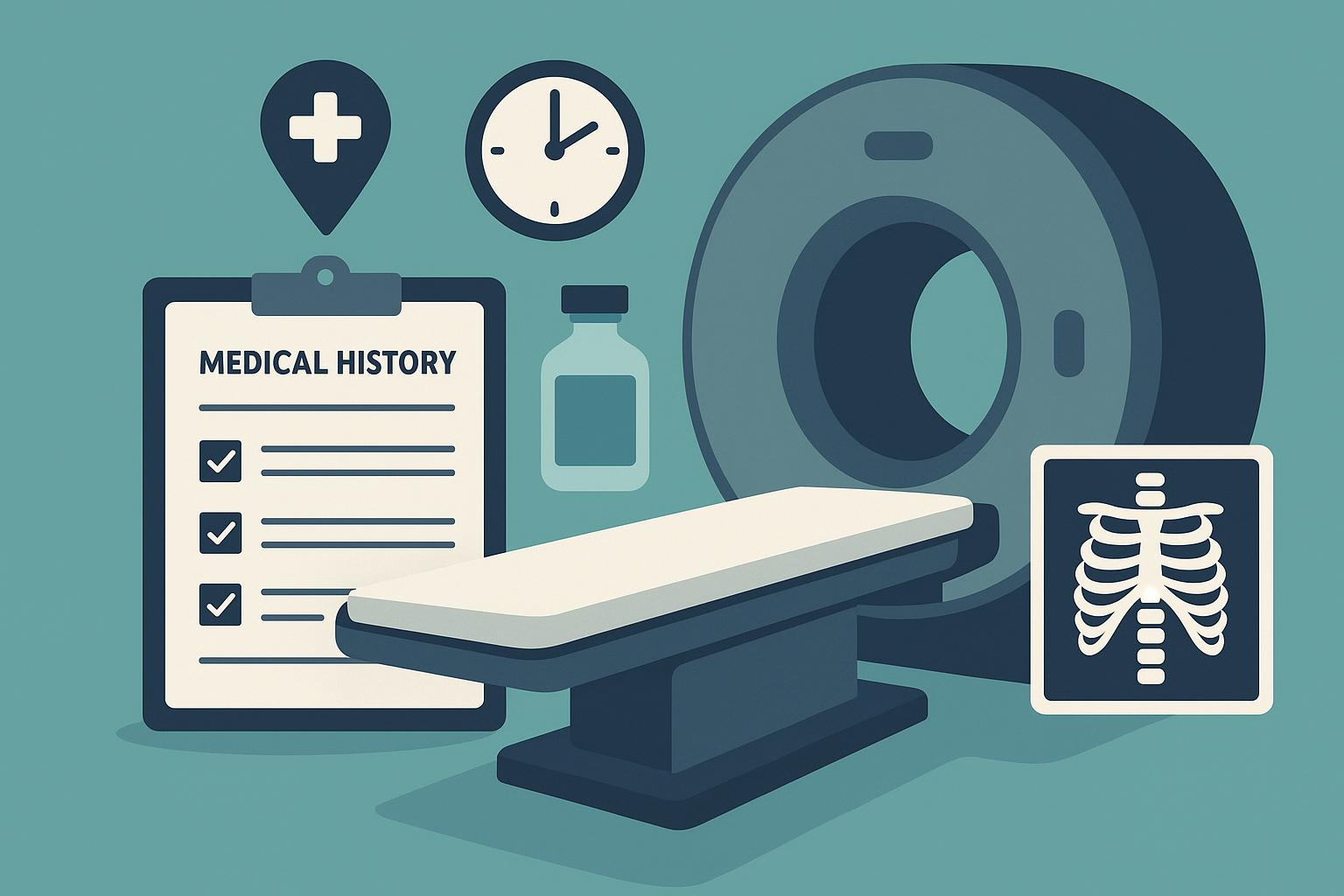
Medical imaging is the process of obtaining and using visual representations of internal parts of the human body during diagnosis, treatment, and monitoring. Medical professionals and scientists use a variety of technologies for medical imaging, including x-rays, computed tomography (CT) scans, magnetic resonance imaging (MRI), and ultrasounds. Doctors use these and other medical imaging tools for many purposes. How patients prepare for medical imaging appointments depends on the specific technology and the part of the body undergoing examination.
To begin, patients should have clear, transparent conversations with health care professionals about the need for medical imaging and the care providers’ expectations for the appointments. During this conversation, doctors can allay a patient’s fears and clear up confusion about the process. The risks of medical imaging are relatively minor, though patients can further mitigate risk by following all relevant instructions leading up to the appointment.
While discussing potential issues before a medical imaging appointment, patients should inform doctors of any allergies they might have. Certain allergies can interact poorly with the contrasting agents doctors use to enhance the visibility of certain internal bodily structures. Certain contrasting agents highlight blood vessels, while others make it easier for health care providers to see organs or tissues. To be clear, contrast agents, also known as contrast materials and contrast media, do not actually change the color of organs and other body parts, but rather alter the way x-rays and other imaging tools perceive the body. Common agents include iodine-based barium-sulfate and gadolinium, though doctors may make alternative choices depending on a patient’s allergies and medical history.
Patients living with diabetes need to take special precautions when preparing for medical imaging appointments if they are taking medications containing Metformin, such as Glucophage or Avandamet. If the appointment involves the use of an IV contrast, patients should not take this medication on the day of the appointment, or for 48 hours following the examination. Individuals need to discuss follow-up blood tests with their care providers before resuming the medication.
In most cases, patients must limit their solid and liquid intake before a medical imaging appointment. When preparing for a general CT scan, for instance, patients cannot eat anything during the four hours leading up to the exam and can only drink clear liquids, like water. If the CT scan is focusing on the head, neck, or chest, patients cannot drink anything at all.
Certain medical imaging appointments have strict dress codes, especially MRI examinations. MRI machines use magnets and radio waves to create highly detailed, cross-sectional images. Various items can disrupt MRI operations, including metallic implants, metal clips, pacemakers, and stents. Patients must inform the radiologist ahead of time about any of these items. They should also refrain from wearing additional metal items or clothing, including jewelry.
Lastly, patients must schedule their days based on the length of the appointment, which can vary considerably. Doctors can take multiple x-rays in a matter of minutes. A gastrointestinal (GI) fluoroscopy of the upper GI or esophagram, however, can last over an hour, while GI fluoroscopy of the small bowels can take up to four hours.
It bears repeating that the requirements for different medical imaging appointments vary considerably. The best way to safely and effectively prepare for an examination is to speak with the health care team involved, ask questions, and follow all the written instructions that the doctor provides.
About Damon Deteso
Damon Deteso is a radiologist with extensive experience in diagnostic imaging and healthcare technology. Since 2004, he has practiced with Millennium Medical Imaging PC, providing imaging interpretation services for hospitals and outpatient facilities in the Saratoga Springs, New York region. His background includes residency training at Tufts University School of Medicine and fellowship training in cross-sectional imaging at the University of California, San Francisco. Dr. Damon Deteso has also advised on artificial intelligence applications in radiology and remains active in professional medical organizations.