




Security has become a top priority for businesses of all sizes, and traditional methods are no longer enough to keep up with evolving risks. As technology advances, companies are turning to smarter, more integrated systems to protect their assets, employees, and data. These modern solutions go beyond simple locks and alarms, offering real-time monitoring, automation, and greater control over who can access specific areas. By adopting intelligent security strategies, businesses are not only improving safety but also streamlining daily operations.
Integrating Technology for Better Protection
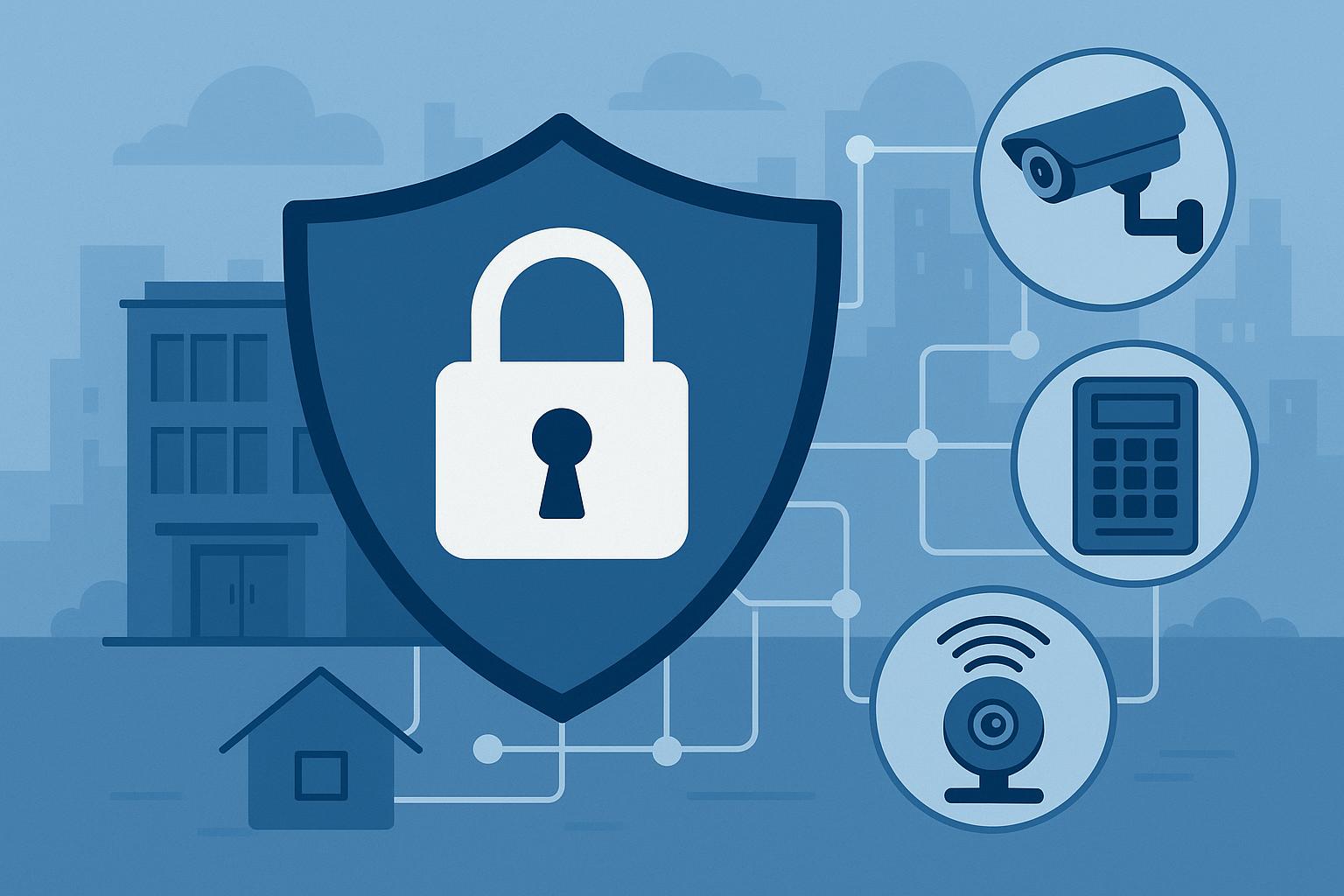
One of the most effective ways businesses are improving security is through the integration of digital systems. Instead of relying on standalone tools, companies are connecting surveillance cameras, alarms, and entry systems into one cohesive network. This allows for centralized control, where security teams can monitor activity from a single dashboard.
Smart systems can also provide instant alerts when suspicious behavior is detected, enabling faster response times. For example, if an unauthorized attempt is made to enter a restricted area, the system can notify management immediately while also triggering additional security measures. This level of responsiveness helps prevent incidents before they escalate.
Enhancing Access Management
Controlling who enters a building or specific areas within it is a critical part of business security. Modern solutions like access control systems have transformed how companies manage entry points. Instead of traditional keys, businesses now use keycards, biometric scanners, and mobile credentials to grant or restrict access.
These systems allow organizations to assign different levels of access depending on roles and responsibilities. For instance, employees may have access to general workspaces, while sensitive areas such as server rooms or executive offices remain restricted. This not only improves security but also reduces the risk of internal threats, as access can be easily tracked and adjusted when needed.
Real-Time Monitoring and Data Insights
Another major advantage of smart security systems is the ability to monitor activity in real time. High-definition cameras, motion sensors, and analytics software work together to provide a clear view of what’s happening across a business premises. This continuous visibility helps deter potential threats while giving security teams the tools they need to respond quickly.
Beyond immediate monitoring, these systems also collect valuable data. Businesses can analyze patterns such as peak entry times, frequently accessed areas, and unusual activity. This information can be used to refine security strategies, improve operational efficiency, and even optimize staffing decisions.
Automation for Efficiency and Reliability
Automation is playing a significant role in modern security improvements. Smart systems can be programmed to perform routine tasks without human intervention, such as locking doors at specific times or activating alarms after business hours. This reduces the likelihood of human error and ensures consistent protection.
In addition, automated systems can integrate with other business technologies. For example, lighting and climate controls can be linked to security systems, creating a more efficient and responsive environment. When the last employee leaves, the system can automatically secure the building while also reducing energy usage.
Building a Scalable Security Strategy
As businesses grow, their security needs become more complex. Smart systems offer the flexibility to scale alongside the organization. New devices and features can be added without overhauling the entire system, making it easier to adapt to changing requirements.
This scalability is particularly valuable for companies with multiple locations. Centralized platforms allow security teams to manage different sites from one interface, ensuring consistent standards across all operations. It also simplifies maintenance and updates, saving both time and resources.
The Future of Business Security
The move toward smarter security systems is not just a trend; it’s a long-term shift in how businesses protect themselves. With ongoing advancements in technology, these systems will continue to evolve, offering even more sophisticated features such as AI-driven threat detection and predictive analytics.
By embracing these innovations, businesses can create safer environments while also improving efficiency and control. Smart security is no longer a luxury but a necessity for organizations looking to stay ahead in an increasingly complex world.