




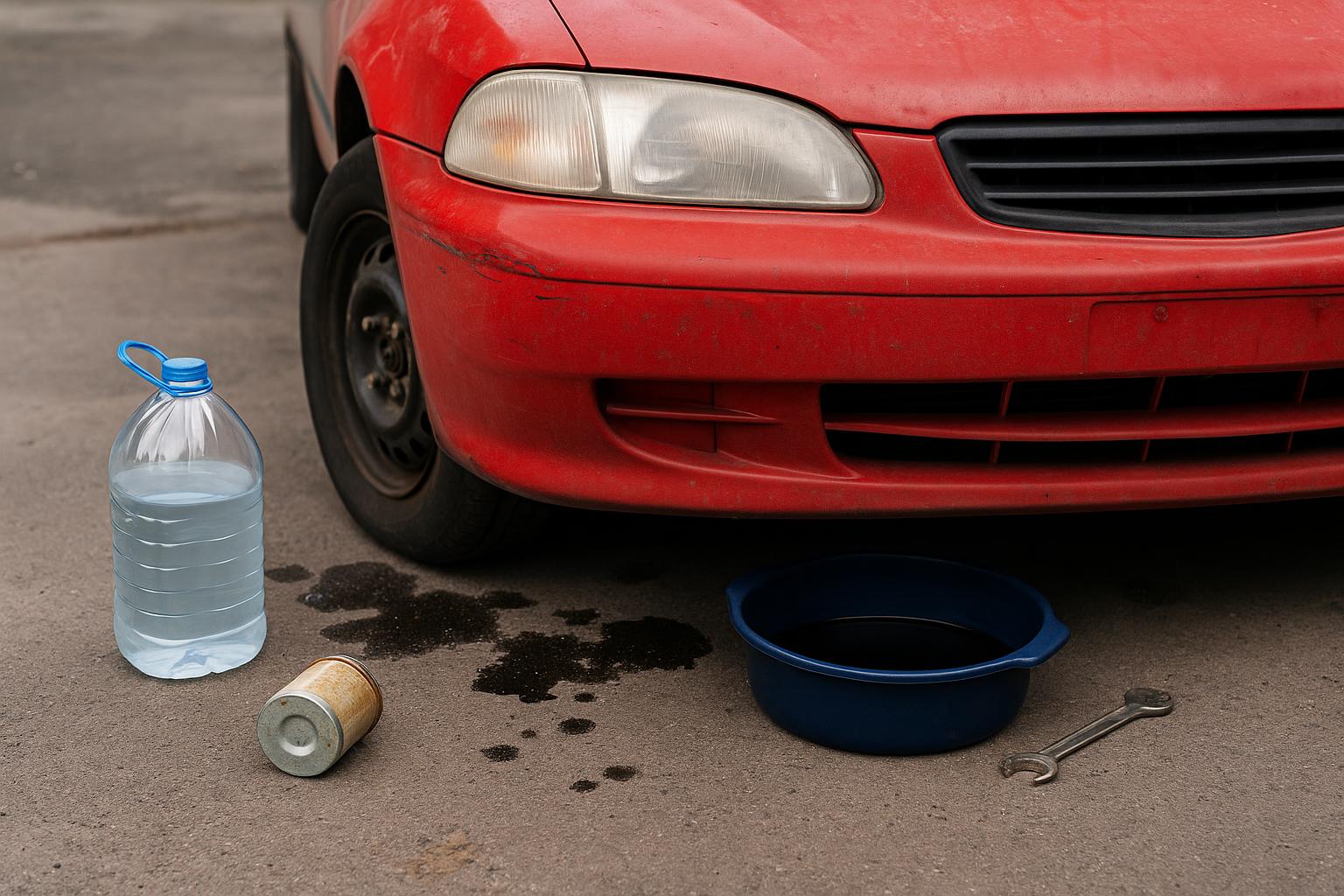
Novice drivers are always eager to get on the road. But a lack of experience can cause unnecessary car issues. Many errors result from a lack of understanding of how cars wear and remain sustainable.
Below, we will discuss some of these pitfalls. This will save you money, time, and undue stress.
Ignoring warning lights
Some new drivers assume that the warning lights on the dashboard are temporary. They are not.
Warning lights indicate:
- Engine/ transmission malfunction
- Brake system issues
- Reduced oil pressure or overheating, etc.
When people drive with disregard for warning lights, they easily turn simple problems into serious ones. What would have been merely a sensor or fluid problem can soon turn into a costly Car Repair Virginia Beach VA. So, pull over and examine the warning lights.
Missing scheduled oil change
Oil changes are among the simplest maintenance procedures. But new drivers often postpone or forget about them.
The consequences of neglecting to change the oil include:
- Engine sludge buildup
- Increased friction and heat
- Premature engine wear.
Modern cars are advanced. But they still require regular oil service. The car might seem okay. But delay decreases the life of the engine and its performance.
Operating on underinflated or worn-out tires
New drivers might not understand how important the state of tires is to control and safety. Many tend to ignore tires until there is a puncture or physical damage.
Here are some typical tire-related errors:
- Disregarding low tire pressure indicators
- Operating on tires that are bald or unevenly worn
- Skipping tire rotations.
Tire deficiencies influence the following functions:
- Braking
- Steering reaction
- Fuel consumption.
Poor tire condition enhances the potential of blowouts, particularly at highway speed.
Waiting too long to repair little problems
Inexperienced drivers tend to ignore:
- Unusual sounds
- Vibrations
- Small leaks.
Some assume that they are normal. No, they are not.
Examples include:
- Squealing brakes
- Sound of clicking when turning
- Fluid spots underneath the car.
These are the initial signals of minor problems. It is nearly always cheaper to address them promptly. This prevents spreading the damage to other systems.
Overusing the brakes
New drivers tend to overdepend on braking rather than predicting traffic movement. The result of this is increased brake wear and poor control.
Overuse causes:
- Early wear on brake pads and rotors
- Brake overheating
- Reduced braking efficiency.
Instead, you should learn to:
- Accelerate smoothly
- Maintain an adequate following distance
- Brake slowly.
Good braking behaviour increases safety. It also substantially increases the life of the brake system.
Driving with low fluid levels
To work properly, vehicles need various fluids. But many novice drivers usually do not check any of them.
Critical fluids include:
- Engine oil
- Coolant
- Brake fluid
- Transmission fluid.
Reduced fluid levels lead to:
- Overheating
- Reduced performance
- Component failure.
A simple monthly inspection can prevent severe mechanical damage.
Riding the clutch or shifting improperly
Many new drivers learning to drive manual transmission vehicles use the clutch the wrong way.
Common mistakes include:
- Riding the clutch pedal
- Shifting at incorrect RPMs
- Holding the car on hills with the clutch.
These habits cause the clutch to wear out too soon. They may cause transmission parts to be ruined.
Try to learn the correct technique to protect the driving system.
Delaying brake checks
Brakes do not always malfunction abruptly. But new drivers fail to notice, in time, when their brakes are wearing out.
Warning signs include:
- Squealing or grinding sounds
- Soft or spongy brake pedal
- Longer stopping distance.
Periodic inspection of brakes identifies wear early on. It assists in ensuring safe stopping performance.
Failure to understand basic maintenance intervals
Not all new drivers know that the car needs more than an oil change. There is a reason why maintenance schedules exist.
Services that are often overlooked are:
- Transmission fluid changes
- Coolant flushes
- Brake fluid replacement.
Failure to maintain the machines on a regular basis raises the chances of failure. This leads to unscheduled repair expenses.
Service intervals are mentioned in your owner’s manual, and should not be overlooked. If you are not sure whether your car needs maintenance, the experts at the London Bridge Auto and Transmission Repair Shop Virginia Beach can conduct a thorough inspection.
Assuming that newer cars do not need attention
There is a large misconception that newer cars are maintenance-free.
In reality:
- New cars still wear parts
- Electronics and sensors still break down
- Fluids deteriorate with time.
Technology does not eliminate maintenance. It only changes how issues manifest.
Concluding words
No experienced driver has gone without mistakes. But early learning is a great thing. Do not:
- Disregard warning signs
- Neglect maintenance
- Ignore car wear.
These are the quickest ways to reduce the life of a car. Instead, you should:
- Monitor simple maintenance schedules
- Listen to abnormal changes
- Rectify problems early.
This will help you develop habits that can keep you safe and your wallet secure. Good car care is not an expert matter. It is a matter of regularity and consciousness.