




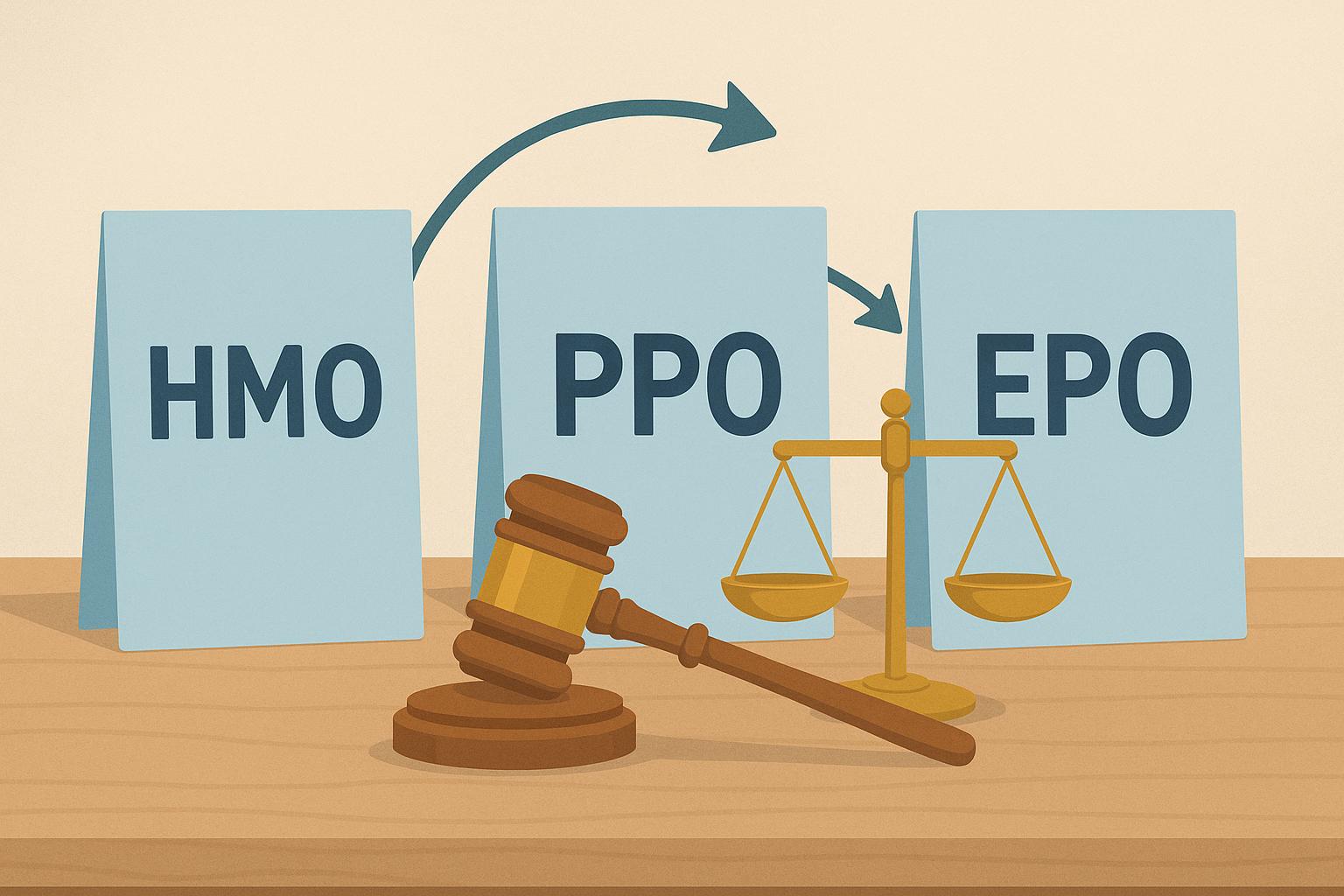
When you start looking for a health insurance policy, you may come across terms like HMO, PPO, and EPO. They may sound technical and a bit confusing at first. You may even wonder if choosing the wrong option could limit where you get treated or how much you pay.
Understanding these terms makes it easier to see how hospital networks work, how much choice you have in treatment, and how flexible a policy really is, whether you are buying cover for yourself or under parents health insurance.
What is an HMO and How Does It Control Healthcare Costs?
An HMO, or Health Maintenance Organisation, follows a structured approach to treatment. You usually start with one main doctor who handles most of your medical needs. If you need a specialist, this doctor guides you and gives a referral.
Treatment is limited to a fixed group of hospitals and doctors, and except for emergencies, care outside this network is not covered.
Why some people like this model
- Costs are usually lower and easier to predict
- Care feels organised and coordinated
- Works well for regular check-ups and common illnesses
Where it can feel restrictive
- Fewer choices of hospitals and specialists
- You cannot see a specialist directly
What Makes PPO More Flexible?
A PPO, or Preferred Provider Organisation, gives you more freedom. You can choose doctors and specialists directly, without referrals. You also have the option to visit hospitals outside the network.
Treatment within the network usually costs less. If you choose a hospital outside the network, part of the expense may still be covered, but you will need to pay a higher share yourself.
Why many people like this structure
- You can choose doctors and hospitals more freely.
- Specialists can be consulted without any prior approval.
- Suitable if you value flexibility in treatment choices.
What you should keep in mind
- Premiums are generally higher than more restrictive plans.
- Care outside the network can increase out-of-pocket costs.
How Does an EPO Balance Cost and Choice?
An EPO, or Exclusive Provider Organisation, sits between an HMO and a PPO. You do not need referrals to see specialists, but all non-emergency treatments must be taken within the network.
There is no cover for routine care outside the listed hospitals.
What works well here
- No referral requirement.
- Lower cost than highly flexible plans.
- Easy-to-understand structure.
What this means for you
- Treatment is covered only at hospitals listed in the network.
- You have fewer hospital choices compared to more flexible plans.
How Do HMO, PPO, and EPO Compare?
| Feature | HMO | PPO | EPO |
| Referral needed | Yes | No | No |
| Out-of-network cover | No | Partial | No |
| Choice of hospitals | Limited | Wide | Limited |
| Cost level | Lower | Higher | Moderate |
How Do These Concepts Fit Into Health Insurance in India?
In India, health insurance policy does not work the same way as HMO, PPO, or EPO plans seen in countries like the US. Here, policies are built around cashless hospital networks, the sum insured, waiting periods, and optional add-on covers.
You are not required to stick to one main doctor, and in most cases, you can visit specialists directly at network hospitals. This is particularly helpful when managing parents health insurance, where quick access to the right doctor is often more important than following referral steps.
That said, the idea of hospital networks still applies. Treatment at network hospitals is usually cashless and easier to manage, while treatment at non-network hospitals typically follows a reimbursement process.
Conclusion
When looking for health insurance, check the number of network hospitals in your city, how cashless claims work, and what treatments are covered, waiting periods, etc.
A good health insurance policy should give you the right balance between cost and access to care. When you understand how different plan structures manage hospitals and costs, you can choose coverage that fits your needs today and continues to support you as those needs change.