




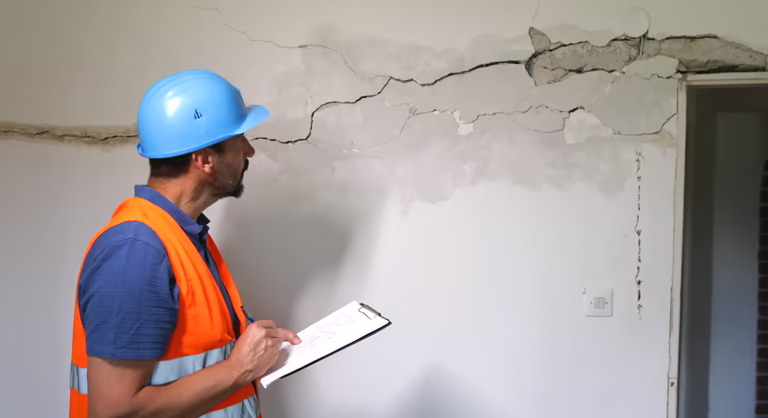
Are you thinking about how safe and comfortable a building can be when the ground moves under it?
In regions where earthquakes are part of nature, buildings are planned with extra care, and inspections play a very helpful role in keeping homes and workplaces strong and reliable. A building inspection is not about fear or worry; it is about confidence, clarity, and smart preparation.
When people understand how inspections support building strength, they feel more relaxed about their property choices and daily life.
Understanding Earthquake Zones and Building Safety
Earthquake zones are areas where gentle ground movement can happen from time to time. Builders, engineers, and planners already follow smart rules to support safety in these regions. Building inspections work alongside these rules and add another layer of clarity for owners and buyers. After this heading, it helps to look closer at how inspections connect with design and structure.
How Buildings Are Planned for Earthquake Areas
Buildings in earthquake zones are created with flexibility and balance in mind. Materials, layouts, and connections are selected so the structure can move smoothly with the ground. An inspection checks that all these elements are working together as expected. This gives owners peace of mind that the building matches the intended safety approach.
The Role of Building Inspections in Daily Confidence
Here, building inspection Auckland supports confidence in everyday living. People sleep better and work better when they know their building has been checked with care. Inspections do not change the building; they explain it clearly.
After this heading, it is useful to understand what inspectors actually look at.
What Inspectors Review During an Inspection
Inspectors focus on visible and accessible parts of a building. They review foundations, walls, support frames, and connections. They also observe how different sections of the building align with each other. This process helps owners understand the strong points of the structure in simple language.
How Inspections Support Long-Term Building Health
Buildings are long-term investments. In earthquake zones, regular inspections help keep that investment strong and comfortable over time. They support maintenance planning and help owners stay informed. After this heading, the connection between inspections and maintenance becomes clearer.
Supporting Smart Maintenance Planning
When inspection reports explain the current condition of a building, owners can plan upkeep calmly. Small adjustments and regular care help buildings stay solid for many years. This planning approach keeps costs predictable and supports steady property value.
Why Local Knowledge Adds Value to Inspections
Local conditions matter in earthquake-prone regions. Soil type, climate, and building styles vary from place to place. Inspections that consider local factors provide clearer insights.
After this heading, understanding the regional inspection focus helps readers connect the idea.
Regional Focus and Building Checks
In cities with seismic awareness, inspections reflect local building methods. For example, a building inspection in Auckland often considers local ground conditions and construction styles common in that area. This local understanding helps reports feel relevant and practical for property owners.
Building Inspections for Buyers and Owners
Both buyers and current owners gain value from inspections. Buyers feel confident about their purchase, and owners feel informed about their property. After this heading, the shared benefits become more visible.
Clear Information for Better Decisions
Inspections explain the condition of a building in plain words. Buyers appreciate knowing how a structure is put together, while owners appreciate knowing how well it supports daily living. This shared understanding supports smooth property decisions without stress.
Supporting Community Safety and Comfort
When many buildings in a region are inspected regularly, the whole community benefits. Streets, offices, and homes feel dependable and welcoming. After this heading, it helps to see how inspections connect people.
A Collective Approach to Building Care
Each inspection adds knowledge to the overall building culture of an area. When owners take an interest in inspections, it encourages a shared habit of care. This creates neighbourhoods where buildings are trusted and well-understood.
Inspections and Modern Building Standards
Building standards continue to improve with research and experience. Inspections help confirm that buildings align with current expectations.
After this heading, understanding standards feels easier.
Linking Design and Real Conditions
Design plans show how a building should perform. Inspections confirm how it actually performs in real conditions. This link between plan and reality supports confidence in modern construction practices.
Earthquake Awareness Without Stress
Awareness does not need to feel heavy. Inspections present information in a calm and balanced way, focusing on strengths and readiness. After this heading, the tone of inspection reports matters.
Clear Language Builds Comfort
Good inspection reports use simple terms and explain details without technical overload. This helps owners feel informed rather than confused. Comfort grows when information is shared clearly and respectfully.
Inspections as Part of Property Responsibility
Owning property comes with responsibility, and inspections make that responsibility lighter. They provide guidance and clarity without pressure. After this heading, responsibility feels more practical.
A Helpful Step in Property Care
Inspections fit naturally into property ownership. They act like a regular health check for a building, offering reassurance and useful information. Owners feel more connected to their property through this understanding.
Regional Examples of Inspection Awareness
Different regions highlight inspections in their own way, based on local building needs. After this heading, a regional mention adds context.
Regional Inspection Practices
In areas known for seismic planning, inspection awareness is part of normal property care. For example, building inspection Wellington reflects local building practices and supports owners with clear and relevant insights. This regional focus keeps information practical and easy to apply.
Building Trust Through Professional Insight
Trust grows when information is shared openly. Inspections create that trust by explaining buildings honestly and clearly.
After this heading, trust connects to daily decisions.
Confidence in Living and Working Spaces
When people trust their buildings, they enjoy their spaces more. Homes feel warmer, offices feel steadier, and daily routines feel smoother. Inspections quietly support this comfort by offering clarity.
Final Thoughts on Building Inspections in Earthquake Zones
Building inspections in earthquake zones are a positive and supportive step in property care. They explain how buildings are prepared, how they perform, and how they can be maintained with confidence. By focusing on clarity, local understanding, and everyday comfort, inspections help owners and buyers feel relaxed and informed. With the right knowledge, living and working in earthquake-aware regions feels steady, comfortable, and well-supported.