




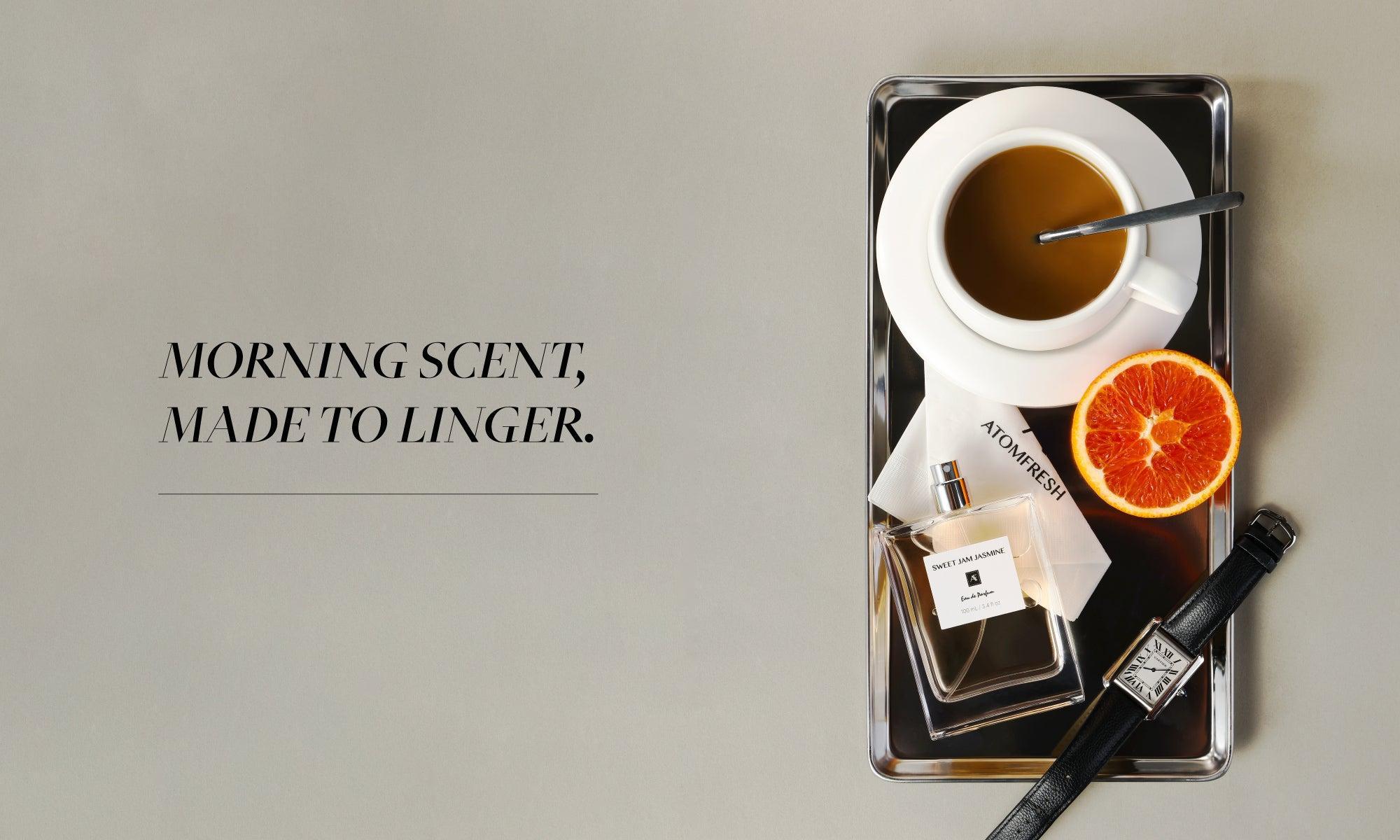
You know that moment around 12:30 p.m.every day, right after you’ve finished lunch, you find yourself instinctively sniffing your wrist, hoping to catch a faint whiff of that expensive perfume you sprayed four hours ago? And there’s nothing. Just… skin.
It’s infuriating.
You spent good money on that bottle. You picked it carefully. And by lunch, it’s like you never even bothered. So you do what everyone does—you blame the perfume. Weak juice. Overpriced hype. Maybe even a counterfeit if you bought it online.
But honestly? It’s almost never the fragrance.
Here’s the kicker: your skin is the real wildcard. And if you don’t understand what’s happening under that spray, even the most expensive bottle won’t last past your first coffee.
So What’s Actually Killing Your Scent?
Forget the perfume for a second. Let’s talk about you.
Your Skin Has a Mind of Its Own
Ever notice how the same perfume smells incredible on your friend but weirdly sharp on you? That’s not in your head—it’s skin chemistry.
Your skin has its own pH, its own oil production, its own bacterial ecosystem. And all of that messes with fragrance.
- Dry skin? Total scent graveyard. No oil means nothing for the perfume molecules to cling to—so they evaporate within a couple hours.
- Oily skin? You lucked out. That natural sheen holds onto fragrance like a magnet and releases it slowly all day.
- pH swings—from stress, diet, even your cycle—can alter how the compounds break down. Sometimes they just… die. Before the scent even gets to its heart notes.
Heat, Sweat, and Rubbing Are Silent Killers
Where do you spray? Wrists? Neck? Inside elbows? All high-friction, high-heat zones.
Every time you move, your body warms up. That warmth speeds up top-note evaporation. And your clothes? They’re literally rubbing the perfume right off your skin, fragment by fragment.
Worst of all: sweat. When perspiration hits fragrance oils, it doesn’t blend—it battles. And the sweat usually wins.
The Part Nobody Thinks About: Your Base Layer
Here’s the mistake most people make: they use perfume to cover up body odor.
Bad move.
Chemicals fight each other when sweat hits expensive perfume. What you get isn’t pretty-more like something spilled than something blooming. Molecules shift, split, change shape fast. That smooth shop scent? Gone in minutes.
Your fragrance is the top layer. It’s the finishing touch, not the foundation. If the skin underneath has residual odor or isn’t balanced, even a $400 extrait won’t save you.
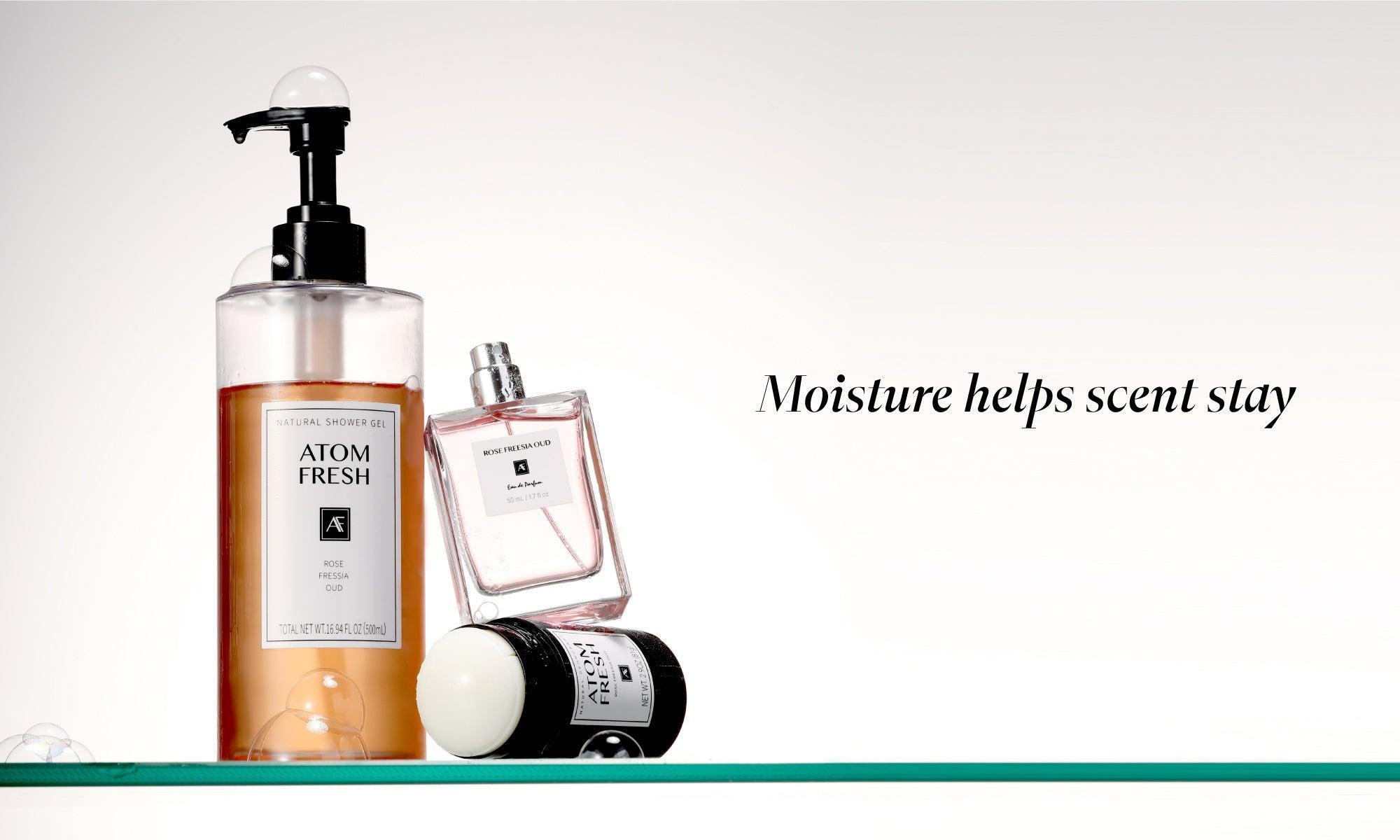
That’s why some brands are finally treating odor control and fragrance as one system—not two separate steps. You can see it in products that combine fragrance layering in one routine —because spraying perfume over unmanaged sweat is like putting lipstick on a pig.
Why “Stronger” Perfume Won’t Fix This
Your first instinct when a scent fades is to buy the “intense” version. Or spray more. Or carry a travel-size and reapply every two hours.
But here’s the thing: if your skin is dry or out of whack, a stronger perfume just gives you a bigger blast of alcohol and oils that still vanish early. You’re not solving the problem—you’re just wasting more product.
Perfume Was Never Designed to Control Sweat
Let’s be real: perfume is for projecting smell, not for managing bodies. It doesn’t stop bacteria. It doesn’t neutralize odor. It just covers—and poorly at that.
That’s the real perfume vs deodorant difference. One neutralizes and preps. The other expresses and delights. They’re not interchangeable, and treating them like they are is why your scent fails by noon.
The Layering System That Actually Makes Sense
Stop thinking in terms of a single spray. Start thinking in three layers:
1. Cleanse – A hydrating body wash that removes bacteria without stripping your skin’s moisture barrier.
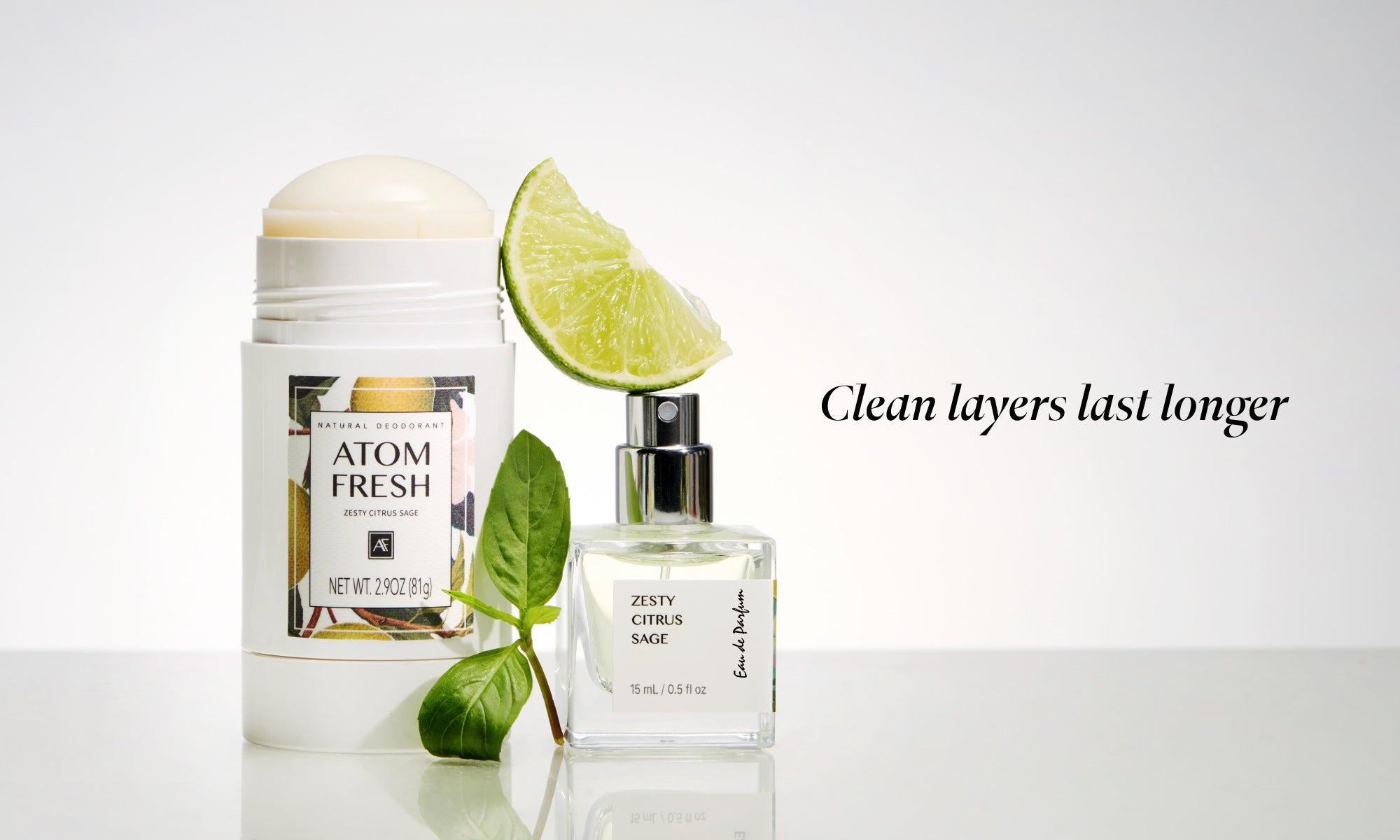
2. Control – Something that manages sweat and odor at the source, so your perfume doesn’t have to fight a losing battle.
3. Express – Your actual perfume, applied to clean, prepped skin that can actually hold onto it.
That’s not complicated. It’s just smart.
The Industry Is Finally Catching On
Look at the numbers. According to Circana, prestige fragrance sales in the U.S. hit $3.9 billion in the first half of 2025—up 6%. But here’s the kicker: body sprays and layering products jumped 94%. Travel sizes? Up 15% in units, nearly four times the growth of full bottles.
People aren’t buying one-and-done bottles anymore. They’re building systems.
A full body fragrance routine isn’t a trend. It’s a response to the reality that perfume alone doesn’t cut it. And the brands that get that are building scent from the shower up, not just from a pretty bottle on your dresser.
Spray vs. System: The Real-World Difference
| Approach | How Long It Lasts | Skin Prep | Odor Control | Holds Up to Sweat? |
|---|---|---|---|---|
| Just Perfume | 3–4 hours, tops | None | Masks (badly) | Falls apart fast |
| Layered System | 8–12 hours | Hydrated & primed | Neutralized at source | Stays consistent |
That’s the difference between reapplying in the bathroom stall and forgetting you even sprayed.
What You Can Do Tomorrow Morning
If you’re tired of asking how to make perfume last longer, try this:
- Right after stepping out of the shower works best. Warmth lingers, pores open slightly. Choose a hydrating body lotion instead – lack of moisture fights against results. Skin feels smooth when damp, ready to absorb.
- Lock in a control layer before you spray. Deodorant or an odor-control primer on your pits and other sweaty spots. Give your perfume a fighting chance.
- Hit the right spots. Inner elbows, behind knees, lower wrists. Skip the underarms and collarbones—too much friction, too much heat.
- Stop rubbing your wrists together. That friction generates heat that murders top notes instantly. Spray, let it dry, and move on with your life.
Bottom Line: It’s Not Your Perfume
If your scent disappears by midday, it’s not a fake. It’s not a bad batch. It’s not that you bought the wrong bottle.
It’s that you’re treating perfume like a one-step solution when it’s actually the final step of a multi-step process.
Build a real body scent routine. Layer it properly. And your fragrance will do what it was always meant to do—last.
And if you’re done gambling on expensive bottles that don’t stick, grab a few trial sets of perfume to figure out what your skin actually likes without dropping a month’s worth of coffee money.
Quick Answers
Why does my perfume fade so fast?
Dry skin, body heat, friction, and the absence of an odor-control base all speed up evaporation. Perfume needs something to anchor to—otherwise it’s gone in hours.
Does skin chemistry really matter that much?
100%. Skin chemistry shifts scent molecules-so one spray changes shape person to person. Oil balance tweaks the trail. Each body reinvents the aroma it carries.
How can I make my perfume last all day?
Use a hydrating wash, apply an odor-neutralizing layer, then spray your perfume on pulse points. And don’t rub—just let it air dry.
Should I layer perfume with deodorant?
Yes, but they need to work together. An odor-controlling base stops your perfume from fighting sweat, so the scent stays true much longer.