




Key Takeaways
- Power transformers are vital for voltage regulation, enabling safe and efficient electricity transmission over long distances.
- Today’s advanced transformer technology supports the integration of diverse and renewable energy sources.
- Ongoing innovations in transformer design improve grid resilience and efficiency, addressing both current and future energy challenges.
Power transformers form the backbone of our modern electrical infrastructure, silently ensuring that electricity generated at power stations reaches businesses and residences safely and efficiently. Their ability to adjust voltage levels is critical for facilitating long-distance power transmission and reducing costly energy losses along the way. Understanding the robust, evolving role of transformers underscores why they are necessary for the reliability of today’s energy systems. From handling the shifting demands of renewable energy integration to responding quickly to operational challenges, transformers anchor the grid’s resilience and adaptability. The need for advanced solutions, such as the dry-type transformer, has become more evident as energy demands and technological innovations accelerate worldwide.
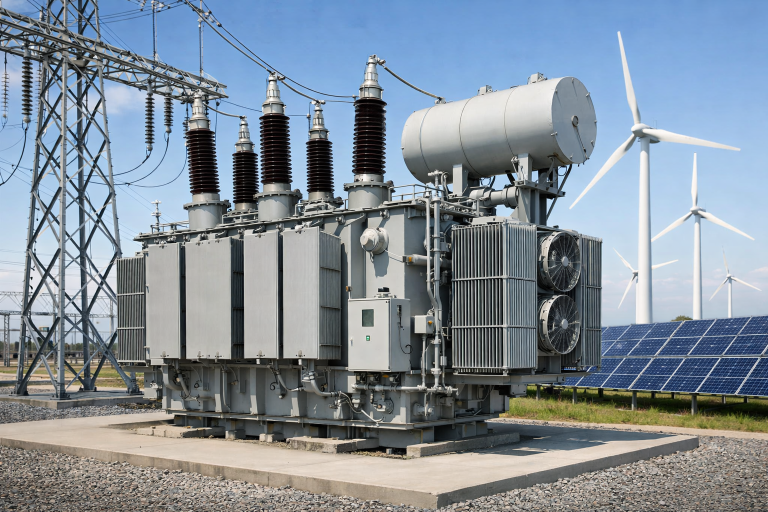
As renewable energy sources like wind and solar continue their rise, the complexities of grid management intensify. This transformation requires power transformers that are not only efficient but also adaptable, capable of addressing the unpredictable nature of modern energy flows. Innovative transformer technologies now support bidirectional, flexible power distribution, helping keep the grid stable regardless of energy source or load fluctuations. Power transformers are at the forefront of these industry changes, positioning them as key enablers of a sustainable and reliable energy future.
The Role of Power Transformers in the Grid
At the most fundamental level, power transformers step up the voltage generated at power stations for long-distance transmission and then step it down for distribution and consumption. This process is essential, as transmitting electricity at high voltages reduces energy losses and enables transportation over hundreds of miles. Upon reaching end users, the voltage is reduced to safer levels, suitable for both residential and industrial applications.
Without the voltage optimization offered by transformers, the grid would be far less efficient, and energy losses would be substantial. Beyond just voltage control, modern transformers must also adapt to load variations, grid disturbances, and the increasing frequency of decentralized energy generation from homes and businesses.
Adapting to Renewable Energy Integration
With the push toward sustainability, grids are experiencing a significant influx of renewable energy sources such as solar and wind. These resources introduce unpredictable supply patterns that can destabilize conventional grid operations without proper management. Power transformers designed for modern grids incorporate features that accommodate bidirectional and variable power flows, supporting distributed generation systems that characterize many renewable sources. According to the U.S. Department of Energy, innovative transformer configurations are essential for enabling a grid that can dynamically balance power supplied from both traditional and renewable sources, ensuring a steady supply despite fluctuations.
Enhancing Grid Resilience
Resilience is a top priority for grid operators, especially as weather events, cyber threats, and unexpected faults become more frequent. Modern transformers are often equipped with digital sensors, remote monitoring, and automated control systems. These upgrades enable rapid anomaly detection, immediate fault isolation, and even predictive maintenance, all contributing to reduced downtime. Their ability to quickly adapt and self-correct helps minimize the impact of disruptions, ensuring electricity continues to flow to essential services and households with minimal interruption.
Addressing Supply Chain Challenges
Recently, transformer supply chains have been under significant strain due to surging demand, particularly from power project developers and expanding sectors like data centers. Longer delivery times and increased costs are becoming more common, highlighting vulnerabilities that could affect grid modernization efforts. According to a recent Reuters analysis, the competition for available transformer manufacturing capacity is intensifying, underscoring the need for strategic investments and diversified supply sources to sustain steady grid upgrades.
Innovations in Transformer Technology
As the energy landscape evolves, transformer manufacturers are investing in innovations to improve performance, efficiency, and adaptability. New transformer models utilize advanced materials, more compact cores, and environmentally friendly insulating technologies, resulting in units that are lighter, more durable, and easier to integrate into a range of environments. These technological advancements are especially critical in cities and urban infrastructure, where physical space is at a premium and energy loads are highly variable. Using smarter, more efficient transformers in the electrification of public transportation and industry also supports deeper decarbonization and improved grid sustainability.
Future Outlook
The demands on the electric grid will only increase as electrification trends accelerate and renewable energy sources expand. Power transformers will remain indispensable, but their designs must keep pace with evolving requirements. Future advancements may include even greater real-time intelligence, higher efficiency ratings, lower environmental impacts, and seamless integration with next-generation smart grids. Ongoing research, strong industry partnerships, and investments in resilient supply chains will be crucial for meeting these ambitious goals and securing a robust energy future.
Conclusion
Power transformers are fundamental to the safety, efficiency, and reliability of electricity delivery systems. Their adaptability to new grid challenges, support for renewable energy integration, and evolving technology ensure they will remain central to the transition to cleaner, more resilient energy infrastructure. Continued progress in transformer development and thoughtful investment in manufacturing capacity will be essential to keep pace with growing energy demands and the shifts shaping the power landscape.