




With decades of experience evaluating customer service, operating local businesses, and serving in community leadership roles, Steven Bankert brings a practical perspective to public policy discussions that affect accountability and institutional performance. Based in the North Attleboro area, he has worked since 2000 as a secret shopper for restaurants, retail locations, casinos, amusement parks, and other businesses, providing structured reports on staff performance and service standards. His background also includes managing family entertainment operations, owning laundromats and ice cream businesses, and participating in civic and nonprofit work through the Plainville Lions Club, local finance committee service, and wetlands preservation efforts. That mix of private-sector management and public-minded involvement makes the following discussion on term limits and government size especially relevant to themes of efficiency, oversight, and long-term organizational effectiveness.
Understanding the Debate about Term Limits and Government Size
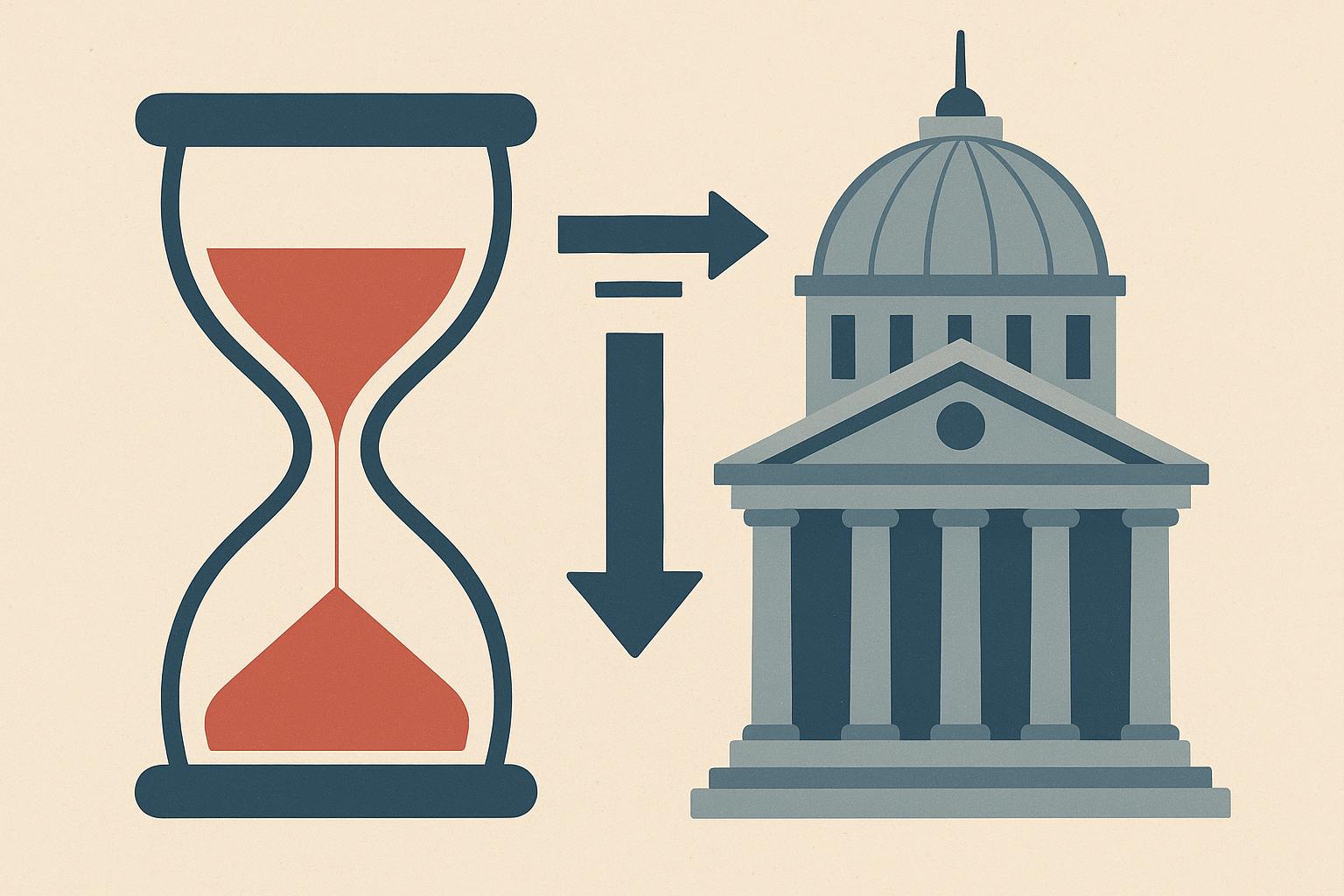
The discussion over term limits and the size of government is a central feature of contemporary political debate in many countries. Advocates argue that limiting the number of terms elected officials can serve encourages fresh ideas, reduces entrenched power, and helps prevent corruption. Term limits are designed to ensure turnover in legislative bodies and executive offices, creating opportunities for new leadership and perspectives. Proponents also suggest that shorter terms can make politicians more accountable to voters, as they know their time in office is finite and must be spent serving constituents effectively.
Smaller government, often paired with the term limits discussion, focuses on reducing the scope of public programs, agencies, and regulations. Supporters of smaller government argue that reducing bureaucracy leads to greater efficiency and lowers the tax burden on citizens. By focusing on core responsibilities such as defense, law enforcement, and infrastructure, governments can avoid overreach into areas better handled by private enterprise or local communities. Economists and policymakers who favor limited government claim that excessive regulation and public spending can slow economic growth and reduce individual freedoms.
On the other hand, critics of term limits point to potential drawbacks in experience and institutional knowledge. Legislators who serve short periods may struggle to master complex policy areas, develop long-term strategies, or navigate procedural rules. Frequent turnover could empower lobbyists and unelected officials who retain institutional memory, creating unintended imbalances in power.
Similarly, opponents of smaller government caution that too much reduction in services can leave essential needs unmet. Public health, education, and social safety nets are often cited as areas where government involvement is critical. Cutting programs indiscriminately could disproportionately affect vulnerable populations and reduce the overall stability of society.
Political culture and historical context also shape the debate over term limits and government size. In the United States, for example, members of Congress have no term limits, which has prompted recurring discussions about entrenched incumbency and voter disengagement. States and local governments have experimented with term limits to test their effectiveness. Similarly, the question of government size varies widely across countries, depending on social expectations, economic systems, and public attitudes toward taxation and regulation. What is considered a “small” government in one country may be seen as minimal or inadequate in another.
Empirical studies offer mixed findings. Some research suggests that term limits can increase electoral competition and reduce instances of careerism among politicians. Other studies show minimal effects on legislative productivity or corruption. Regarding government size, evidence indicates that moderate levels of government intervention are often necessary to provide public goods, but excessive bureaucracy can create inefficiencies and slow innovation. The challenge lies in balancing accountability, efficiency, and social welfare.
The debate over term limits and government size reflects broader questions about how societies organize power, responsibility, and resources. Advocates and critics alike agree on the importance of public engagement, transparency, and evidence-based policymaking. Understanding the nuances of these discussions can help citizens participate more effectively in civic life and evaluate proposed reforms critically. While no single approach guarantees ideal outcomes, examining the trade-offs involved provides insight into how governments can serve both the public interest and long-term stability.
About Steven Bankert
A North Attleboro area business owner and secret shopper, Steven Bankert has spent more than 25 years helping businesses evaluate customer service and operational standards. His experience includes ownership and leadership roles in laundromats, ice cream businesses, and family entertainment operations. He has also served with the Plainville Lions Club, the North Attleborough finance committee, and the Coin Laundry Association, while remaining active in local wetlands preservation.