




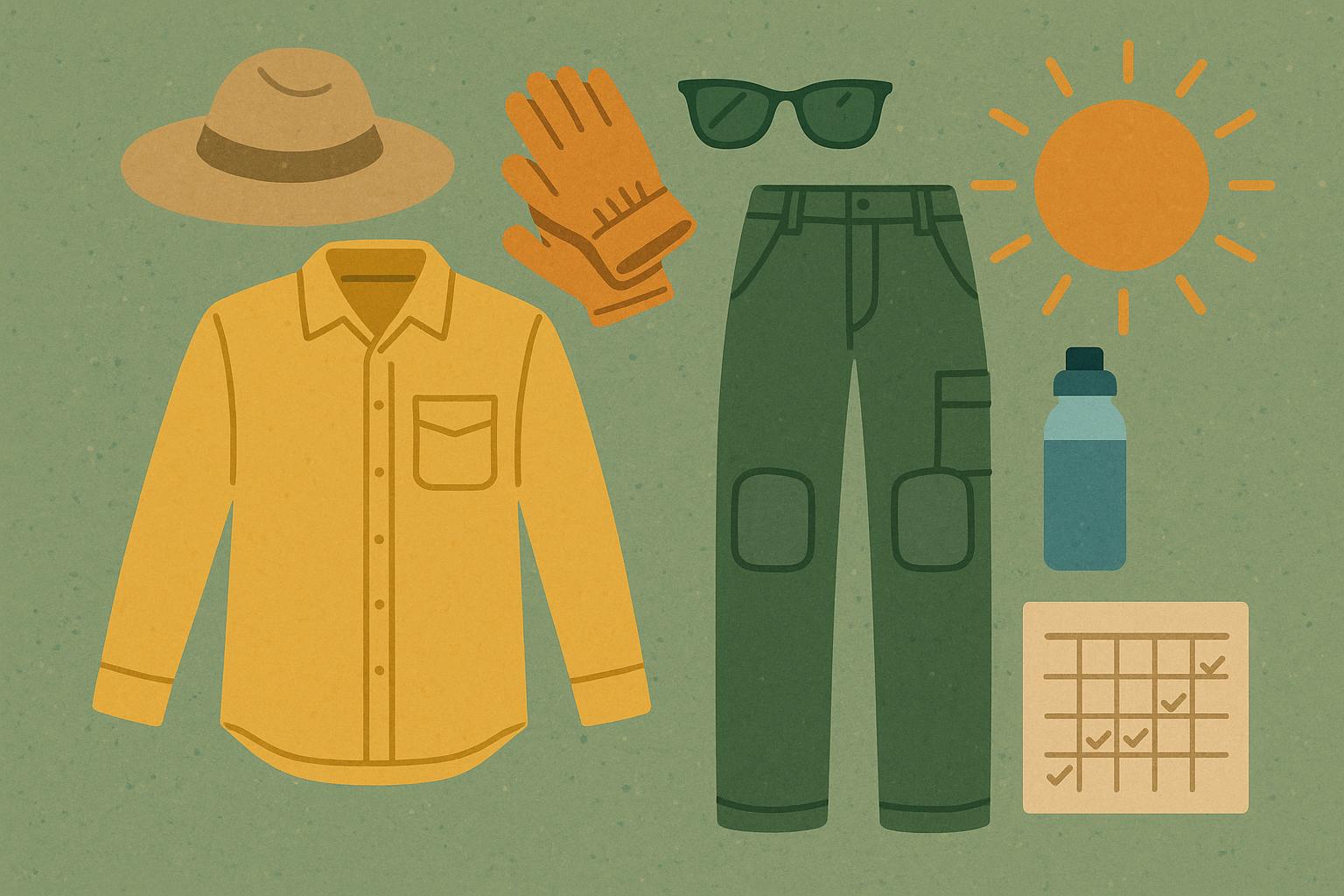
Working outdoors can be rewarding. You get fresh air, open space, and a break from indoor routines. But it can also be physically demanding, especially when the weather is hot, humid, windy, or unpredictable. Comfort is not just a matter of preference. It affects focus, stamina, safety, and the quality of the work being done.
Whether you are mowing lawns, landscaping, repairing equipment, managing a jobsite, farming, painting, or handling general property maintenance, the outdoor environment places extra stress on the body. Sun exposure, heat, dehydration, insects, dust, and long hours can make even simple tasks feel harder than they should.
The good news is that small choices can make a major difference. With the right clothing, equipment, habits, and work schedule, outdoor work can become more manageable and far less draining.
Start With the Right Clothing
Clothing is one of the first lines of defense when working outside. The wrong outfit can trap heat, irritate the skin, and make movement harder. The right one helps the body stay cooler and more protected.
Choose lightweight, breathable fabrics whenever possible. Cotton can feel comfortable at first, but it often holds sweat and becomes heavy. Moisture-wicking materials are usually better for long work sessions because they help pull sweat away from the skin. Loose-fitting clothing also allows air to move around the body, which helps reduce overheating.
Color matters too. Light-colored clothing reflects more sunlight than dark clothing. This can be especially useful when working in direct sun for several hours.
Long sleeves may seem uncomfortable in hot weather, but they can be helpful when made from lightweight, breathable fabric. They protect the arms from sunburn, scratches, insects, and dust. For many outdoor workers, covering the skin is more comfortable over the course of a full day than leaving it exposed.
Protect Yourself From Direct Sun
Sun exposure adds up quickly. Even on mild days, direct sunlight can cause fatigue, sunburn, and long-term skin damage. Shade and sun protection should be part of the work plan, not an afterthought.
A wide-brimmed hat is useful because it protects the face, ears, and neck. A standard baseball cap helps, but it leaves several areas exposed. Neck gaiters, sun sleeves, and UV-blocking shirts can add another layer of protection without requiring much extra effort.
Sunscreen is also important. Use a broad-spectrum sunscreen and apply it before heading outdoors. Reapply it during the day, especially after sweating heavily. Many people apply sunscreen once in the morning and forget about it. That is usually not enough for a long day outside.
The Occupational Safety and Health Administration recommends water, rest, and shade as key steps for reducing heat-related illness among workers exposed to hot conditions. This advice is simple, but it is also easy to overlook when there is pressure to finish a job.
Make Hydration a Routine
Thirst is not always a reliable warning sign. By the time you feel very thirsty, your body may already be behind on fluids. Outdoor workers should drink water steadily throughout the day rather than waiting for discomfort.
Keep water close to the work area. If it is stored far away, people are less likely to stop and drink. A reusable insulated bottle, cooler, or hydration pack can make regular drinking easier.
For short tasks, water is usually enough. For longer jobs that involve heavy sweating, electrolytes may be helpful. Sweat not only removes water from the body. It also removes salts and minerals that support muscle function. This is one reason people may feel weak, dizzy, or cramped during long periods of outdoor labor.
Avoid relying heavily on sugary drinks, energy drinks, or too much caffeine. They may provide a temporary lift, but they are not a replacement for steady hydration.
Plan the Hardest Tasks Around the Weather
Timing can make outdoor work much easier. The hottest part of the day is often the hardest time to perform heavy labor. When possible, schedule the most demanding tasks for early morning or later in the afternoon.
This is especially helpful for jobs that involve lifting, digging, mowing, trimming, hauling, or working around reflective surfaces such as concrete, asphalt, metal, or light-colored walls. These surfaces can increase the amount of heat you feel.
Check the forecast before the workday begins. Temperature is important, but humidity, wind, and cloud cover matter too. High humidity makes it harder for sweat to evaporate, which means the body has a harder time cooling itself. A day that looks manageable on the thermometer can still feel exhausting when the humidity is high.
Planning also includes knowing when to slow down. A steady pace is usually better than pushing too hard and needing a long recovery later.
Use Shade and Cooling Equipment When Possible
Shade is one of the most practical tools for outdoor comfort. It reduces direct sun exposure and gives the body a chance to cool down. Sometimes natural shade is available. Other times, it needs to be created.
Pop-up tents, umbrellas, shade cloths, truck canopies, and portable shelters can all help. For people who spend hours operating outdoor equipment, a lawn mower canopy can make mowing more comfortable by reducing direct sun exposure while the operator works. It is a simple upgrade, but it can change how the workday feels, especially during long mowing sessions.
Cooling towels, fans, misting bottles, and ventilated seats can also help in certain situations. These tools do not replace water or rest, but they can reduce strain. Even brief cooling breaks can help the body recover and maintain energy.
When using powered cooling devices, keep safety in mind. Cords, batteries, and water sources should be handled carefully around equipment, sharp tools, and moving parts.
Take Breaks Before You Feel Worn Out
Breaks are more effective when they happen before exhaustion sets in. Many people wait until they feel overheated or weak before stopping. That approach can be risky.
Short, regular breaks help maintain energy and reduce the chance of heat stress. They also improve focus. Outdoor work often involves blades, engines, ladders, chemicals, uneven ground, or heavy tools. Fatigue can make mistakes more likely.
A proper break does not need to be long every time. Sometimes, five minutes in the shade with water is enough to reset. On hotter days, breaks should be longer and more frequent. Workers who are new to outdoor labor or returning after time away may need extra rest while their bodies adjust.
This adjustment period is important. People often assume they can work at full speed on the first hot day of the season. In reality, the body needs time to build tolerance.
Wear the Right Footwear
Foot comfort has a major effect on overall comfort. Outdoor work often means standing, walking, climbing, pushing, or carrying weight for hours. Poor footwear can lead to sore feet, back pain, blisters, and slips.
Choose shoes or boots based on the job. For landscaping or mowing, sturdy work shoes with good traction are often necessary. For construction or equipment-heavy tasks, protective toe boots may be required. For wet or muddy areas, waterproof footwear can help, but it should still allow reasonable airflow when possible.
Socks matter too. Moisture-wicking socks can reduce rubbing and help prevent blisters. Bring an extra pair if the workday is long or conditions are wet. Changing socks halfway through the day can make a surprising difference.
Keep Insects and Irritants Under Control
Outdoor comfort is not only about heat. Insects, pollen, dust, and plant irritation can make work unpleasant and distracting.
Use insect repellent when working in areas with mosquitoes, ticks, or biting flies. Long sleeves and long pants can also reduce bites. After working in tall grass, wooded areas, or brush, check for ticks. This should become a routine habit, not something done only after obvious exposure.
Dust and pollen can irritate the eyes, nose, and throat. Safety glasses or wraparound sunglasses can help protect the eyes. A face covering or mask may be useful when mowing dry grass, blowing leaves, cutting wood, or working around soil.
If you are handling chemicals, fertilizers, fuel, or treated materials, follow the product safety instructions. Comfort should never come at the expense of protection.
Organize Tools to Reduce Extra Strain
A disorganized work area wastes energy. Every unnecessary trip, awkward lift, or search for a missing tool adds fatigue. Over a full day, those small inefficiencies matter.
Before starting, gather the tools and supplies needed for the task. Place water, sunscreen, gloves, spare parts, and first-aid basics within easy reach. Keep heavier items close to where they will be used.
Use carts, tool belts, buckets, or storage racks to reduce carrying. When lifting, avoid twisting and use proper body mechanics. Outdoor work is often repetitive, so small improvements in movement can prevent soreness later.
Good organization also reduces frustration. A smoother workflow helps you stay focused and steady.
Build Better Outdoor Work Habits
Comfort during outdoor work comes from preparation, pacing, and awareness. No single product or habit solves everything. Instead, comfort improves when several practical steps work together.
Dress for the weather. Protect your skin. Drink water before you are thirsty. Create shade when possible. Take breaks early. Use equipment that reduces strain. Pay attention to the body’s signals.
Outdoor work will always require effort, but it does not have to feel punishing. With better habits and the right setup, it is possible to stay cooler, safer, and more productive throughout the day.