




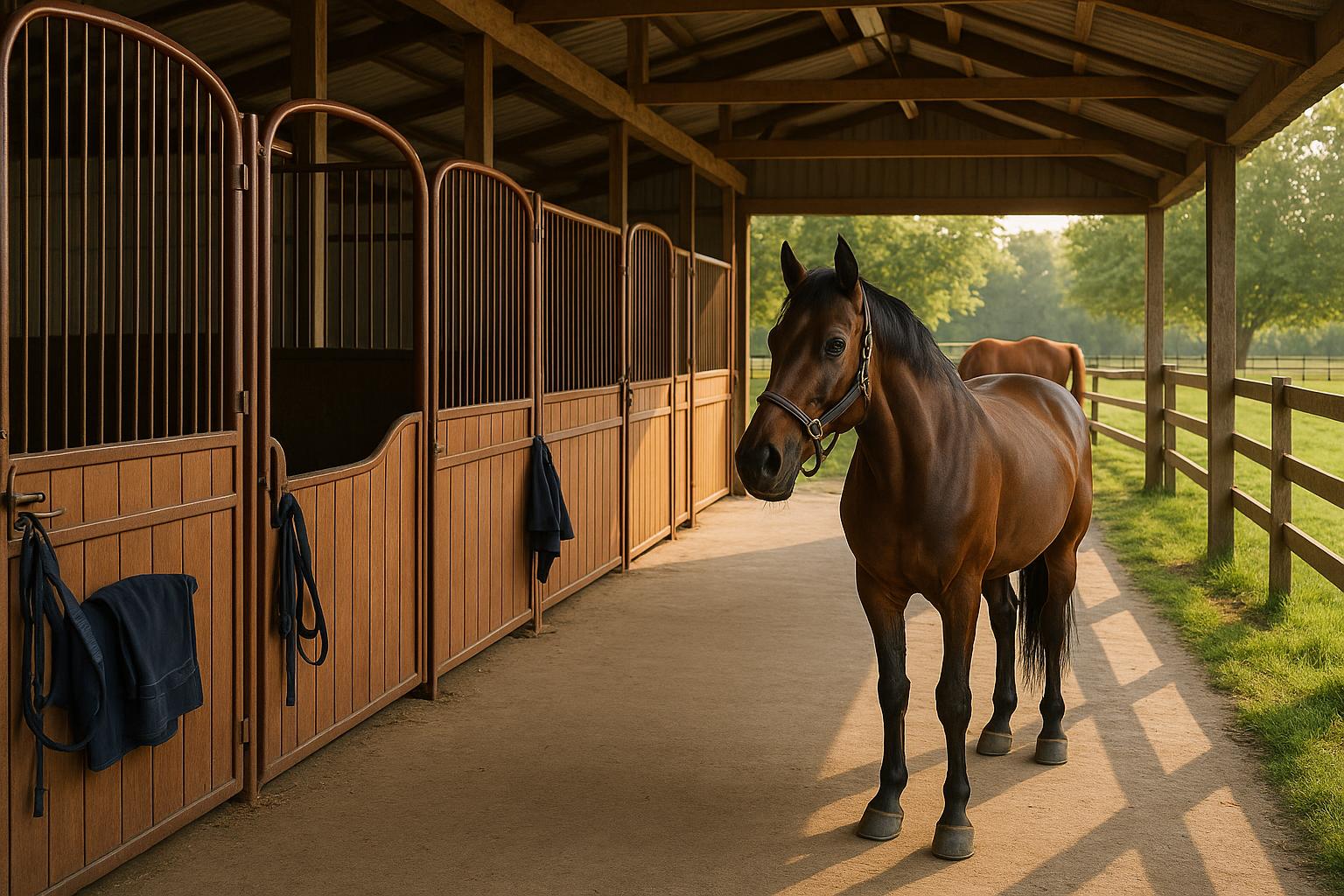
When you hand over the care of your horse to a boarding facility, you are trusting strangers with an animal that means everything to you. Whether you are a weekend trail rider in the California foothills or a serious competitor hauling to shows across the country, finding a facility that runs like a well-oiled machine matters more than the size of the arena or the freshness of the shavings.
But how do you actually evaluate whether a barn is well-managed? It goes deeper than a clean aisle and a friendly handshake at the gate. Here are the real signs to look for before you sign anything.
Clear, Consistent Communication
A professionally run facility communicates proactively. That means you get notified when your horse skips a meal, picks up a minor scrape, or needs a farrier appointment rescheduled. You should never have to chase down barn staff to find out what is happening with your animal.
Ask prospective facilities how they handle routine updates and emergencies. The best operations use a consistent system, whether that is a dedicated client portal, a shared digital log, or a structured messaging setup, so nothing falls through the cracks. If the answer is “we just text whoever is available,” treat that as a yellow flag worth investigating further.
Transparent, Itemized Billing
Feed charges, blanketing fees, extra farrier visits, medication administration, and trailer use: boarding costs can stack up fast beyond the base monthly rate. A well-run facility keeps detailed records and delivers invoices that are easy to read and verify.
Confusion over billing is one of the most common sources of friction between boarders and barn owners. Facilities that use modern barn management software tend to handle this better because the platform tracks every charge automatically and generates clean statements you can review at any time. No surprises, no handwritten scribbles on a yellow notepad passed over the fence.
A Written Boarding Agreement
This sounds obvious, but plenty of facilities still operate on a handshake and goodwill. A professional barn will have a clear contract that spells out exactly what is included in the monthly rate, what happens if your horse needs emergency veterinary care, and what the notice period is for leaving. Read every line before you sign. A solid agreement protects both parties and prevents misunderstandings that can turn ugly.
Staff Consistency and Practical Training
High staff turnover is a warning sign in any barn. Horses thrive on routine, and so do the people who care for them. Ask how long the current staff has been working at the facility and what their hands-on background is. You want people who can recognize when a horse is off before it becomes a full-blown crisis.
At least one person on staff should have formal training in equine first aid. Ask about it directly and pay attention to how confidently they answer.
A System for Health Records and Scheduling
Vaccines, deworming, dental work, farrier cycles: keeping every horse on the correct schedule is a genuine logistical challenge at a facility with more than a handful of boarders. Well-run barns have an organized system to track each horse individually, whether digital or paper, so nothing gets skipped in the seasonal rush.
When you tour a barn, ask how they track veterinary scheduling and how they know when a particular horse is due for routine care. A confident, detailed answer tells you a lot. An uncertain shrug tells you even more.
Honest Capacity Limits
A barn that is perpetually overcrowded is a barn where things get missed. Ask about the current number of horses relative to the stalls and pastures available. Responsible operators know when they are at capacity and will say so plainly rather than squeezing in one more horse for the revenue.
The Overall Feel
Some of this comes down to gut instinct after a visit. Are the water buckets clean and filled? Are the horses at a healthy weight and moving freely? Does the barn owner seem genuinely curious about your horse’s history and needs, or just interested in getting a contract signed?
Talk to current boarders if you can manage it. People who keep their horses somewhere they genuinely trust tend to say so without being asked twice.
Finding the right boarding facility is one of the most consequential decisions you make as a horse owner. The best operations combine real horsemanship with professional management, because caring deeply about animals and running a tight ship are not competing values. The best barn managers understand that they go hand in hand.