




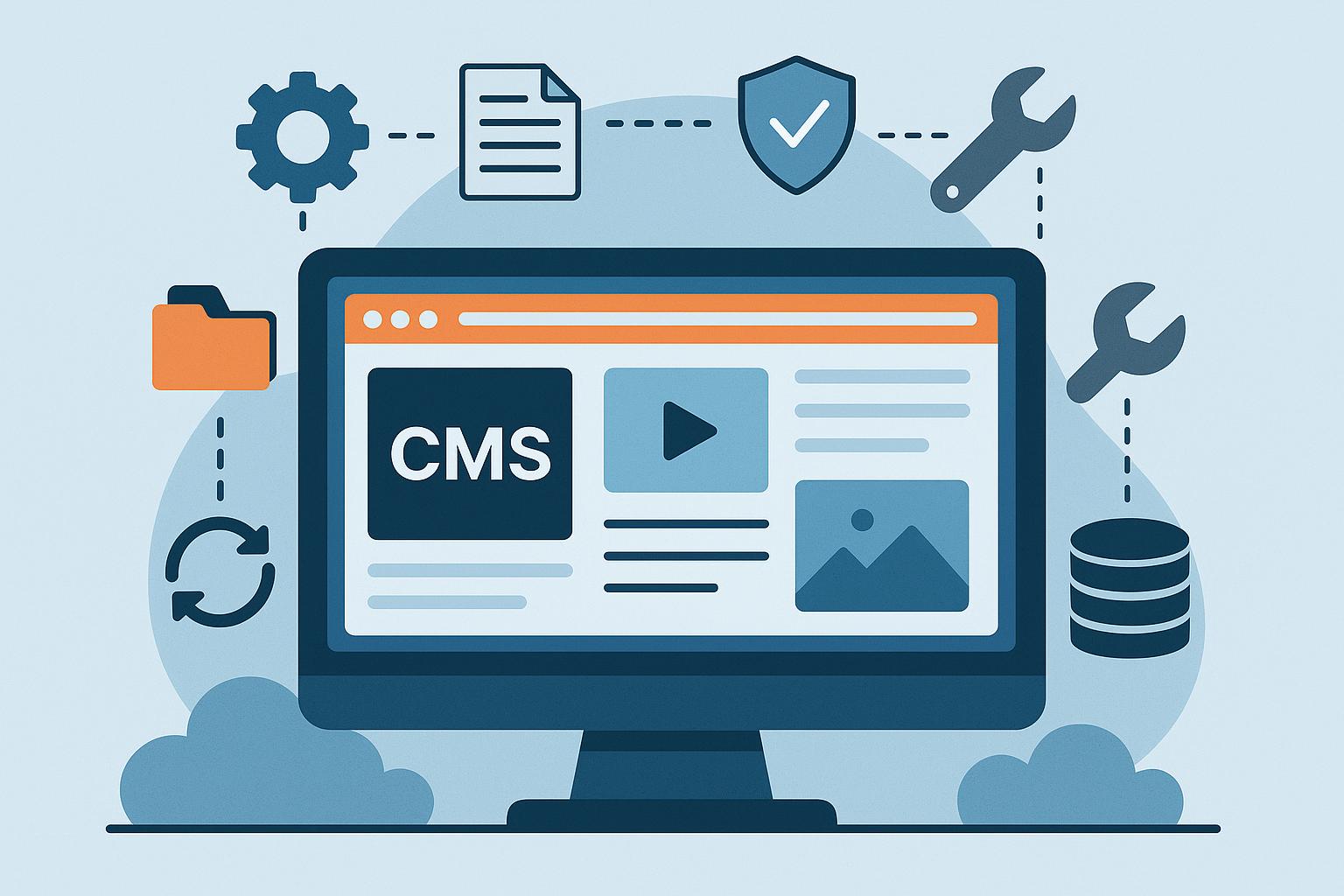
Introduction to the Power of a Reliable CMS
The foundation of efficient website management lies in selecting a CMS that aligns with your specific needs. One niche-specific detail to consider is the use of a Kanban Board within your CMS. This tool allows for visual management of tasks, making it easier to track progress and prioritize updates. By leveraging a Kanban Board, you can ensure a smooth flow of content creation and publication. Moreover, a CMS with integrated Kanban capabilities fosters a transparent workflow, reducing bottlenecks and increasing productivity. To understand more about resources available, you can Check Out This Site that discusses additional aspects to enhance your website management.
Understanding What Makes a CMS Reliable
A reliable CMS is more than just software for posting articles or uploading images. It combines stability, regular updates, strong community or vendor support, robust security features, and intuitive design. Popular options such as WordPress, Drupal, and enterprise-level platforms like Adobe Experience Manager have earned trust through consistent performance and adaptability. Reliability means the system handles high traffic without crashing, protects against common vulnerabilities, and receives timely patches. When website managers select a CMS with these qualities, they reduce downtime risks and create a foundation that supports both daily tasks and unexpected demands, ultimately simplifying overall site oversight.
Simplifying Content Creation and Updates
One of the most immediate ways a reliable CMS streamlines website management is through effortless content creation and updates. Traditional website maintenance often involved coding knowledge or dependence on developers for every change. A quality CMS offers visual editors, drag-and-drop interfaces, and reusable templates that allow non-technical team members to publish pages, blog posts, or product listings quickly. Scheduled publishing features enable content to go live at optimal times without constant monitoring. Media libraries organize images, videos, and documents in one accessible place, while version control tracks revisions so mistakes can be reversed easily. These tools cut the time spent on routine updates dramatically, freeing managers to concentrate on high-value activities.
Enhancing Collaboration Across Teams
Website management rarely happens in isolation. Marketing teams, writers, designers, and executives often need to contribute simultaneously. A reliable CMS addresses this by providing role-based access controls and workflow tools. Administrators can assign specific permissions so editors revise content while developers handle code and designers manage layouts without overlapping or causing conflicts. Built-in comment systems, approval processes, and real-time previews keep everyone aligned. Cloud-based platforms further improve collaboration by allowing remote access from any device. The result is fewer bottlenecks, clearer accountability, and faster project completion, all of which make website management feel coordinated rather than fragmented.
Strengthening Security and Reducing Risk
Security concerns can turn website management into a constant source of stress. Reliable CMS platforms prioritize protection through regular security updates, strong authentication options, and built-in defenses against common threats like malware or unauthorized access. Features such as two-factor authentication, automated backups, and activity logs help administrators monitor and respond to issues promptly. Many systems also support SSL certificates and secure hosting integrations out of the box. By choosing a CMS with a proven track record of addressing vulnerabilities quickly, organizations minimize the risk of breaches that could damage reputation or require costly recovery efforts. This proactive approach allows managers to maintain the site with greater peace of mind.
Improving SEO and Performance Optimization
Search engine visibility and site speed directly influence user experience and business results. A dependable CMS streamlines these technical aspects through plugins, modules, or native tools that handle meta tags, sitemaps, clean URL structures, and mobile responsiveness. Performance features like caching, image optimization, and content delivery network integration ensure pages load quickly even under heavy traffic. Analytics dashboards often come integrated or easily connected, giving managers clear insights without switching between multiple tools. When SEO and performance tasks become part of the everyday workflow rather than specialized projects, website management becomes more strategic and results-oriented.
Supporting Scalability for Growing Needs
As websites expand from simple informational sites to complex e-commerce platforms or multi-language portals, management complexity grows. A reliable CMS anticipates this evolution by offering modular architecture, extensive plugin ecosystems, and the ability to handle increased content volume or user traffic. Features such as multi-site management allow administrators to control several related websites from a single dashboard. Database efficiency and flexible hosting options further support growth without requiring a complete platform migration. Selecting a scalable CMS from the start prevents the frustration of outgrowing a limited system, ensuring website management remains efficient even as demands increase.
Saving Time and Reducing Long-Term Costs
Time is one of the most valuable resources in website management, and a reliable CMS delivers significant savings. Automated processes for backups, updates, and reporting eliminate repetitive manual work. User-friendly interfaces reduce the need for extensive training or constant developer involvement for basic changes. Over time, these efficiencies translate into lower operational costs. While premium platforms or hosted solutions may involve subscription fees, the reduction in labor hours, emergency fixes, and potential downtime often outweighs the investment. Organizations that prioritize reliability avoid the hidden expenses associated with unstable or poorly supported systems.
Facilitating Easier Maintenance and Troubleshooting
Routine maintenance becomes far less burdensome with a well-chosen CMS. Dashboard notifications alert administrators to available updates or potential issues before they escalate. Comprehensive documentation, active support communities, and professional help desks provide quick answers when problems arise. Diagnostic tools and error logs simplify troubleshooting, reducing the time spent identifying root causes. Regular, automated health checks keep the site running smoothly with minimal intervention. This structured approach to maintenance means website managers spend less energy on firefighting and more on proactive improvements.
Enabling Better User Experience Management
Ultimately, website management exists to serve visitors. A reliable CMS helps deliver consistent, engaging experiences through customizable themes, personalization options, and accessibility features. A/B testing tools and form builders allow teams to refine user journeys based on real data. Mobile optimization and progressive web app capabilities ensure the site performs well across devices. By centralizing these capabilities, the CMS makes it easier to maintain high standards of usability without juggling disconnected tools or custom code for every adjustment.
Making Informed Choices for Long-Term Success
Selecting the right CMS requires evaluating specific needs such as content volume, team size, technical expertise, and budget. Factors like ease of use, available extensions, hosting requirements, and total cost of ownership should guide the decision. Trial periods, demos, and case studies from similar organizations provide practical insights. Once chosen, proper setup, staff training, and ongoing optimization maximize the platform’s potential. A thoughtful selection process ensures the CMS continues to streamline management as requirements evolve.
Conclusion: Building Efficiency Through Smart Platform Selection
Choosing a reliable CMS is one of the most impactful decisions for anyone responsible for a website. From simplifying content updates and fostering collaboration to enhancing security, performance, and scalability, the right platform removes friction from daily operations. It transforms website management from a technical burden into a strategic advantage. Organizations that prioritize reliability gain not only smoother workflows but also the freedom to innovate and grow their online presence with confidence. In an environment where digital experiences shape customer relationships and brand reputation, investing in a dependable CMS delivers lasting returns in efficiency, quality, and peace of mind.