




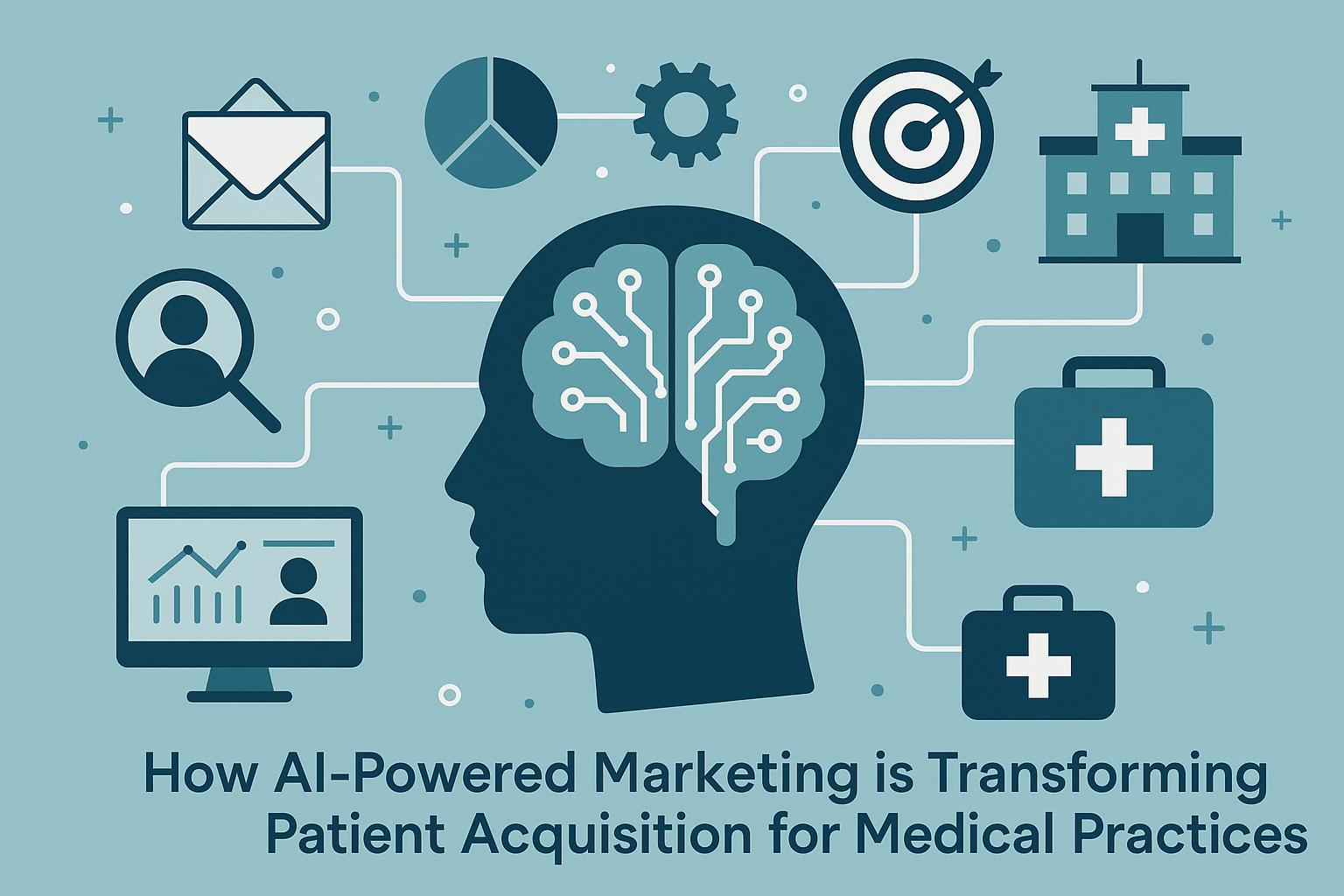
The healthcare industry is undergoing a quiet revolution. While clinical innovations dominate headlines, a parallel transformation is reshaping how medical practices attract, qualify, and convert new patients. Artificial intelligence is no longer a futuristic concept reserved for hospital systems and pharmaceutical giants — it is now a practical, deployable tool for specialty clinics, chiropractic offices, med spas, and regenerative medicine practices of every size.
For practice owners who have relied on word-of-mouth referrals, seasonal ad campaigns, or outdated front-desk intake processes, the shift to AI-powered patient acquisition represents both a challenge and a significant competitive opportunity.
The Old Model Is Breaking Down
Traditional patient acquisition relied on a relatively simple formula: run ads, answer the phone, book appointments. The problem is that this model was never designed for high-ticket healthcare services. When a prospective patient is considering a $3,000 regenerative therapy or a multi-session chiropractic care plan, the decision-making process is longer, more deliberate, and far more sensitive to trust signals.
Generic marketing agencies — those that serve restaurants, retail brands, and law firms alongside medical practices — rarely understand this dynamic. They optimize for clicks and impressions, not for qualified patient consultations. The result is wasted ad spend, low-quality leads, and front-desk teams overwhelmed by inquiries that never convert.
What AI Changes About Patient Acquisition
AI-powered marketing systems address these gaps at multiple points in the patient journey. At the top of the funnel, machine learning algorithms can identify and target prospective patients based on behavioral signals, demographic data, and intent markers that go far beyond basic audience targeting. This means ads reach people who are actively researching solutions — not just broadly interested in health topics.
At the intake stage, AI-powered receptionist and follow-up systems can engage leads within seconds of their first inquiry, qualify them through structured prescreening questions, and schedule consultations automatically — without requiring a human staff member to be available around the clock. For practices that lose patients simply because no one answered the phone or returned a message promptly, this capability alone can produce measurable revenue impact.
Further down the funnel, AI-driven CRM systems track patient behavior, flag drop-off points, and trigger personalized re-engagement sequences. Rather than letting warm leads go cold, these systems maintain consistent contact until a patient is ready to commit.
Infrastructure Over Advertising
The most important shift in modern medical marketing is conceptual, not technological. The practices that are winning in today’s competitive landscape are not simply spending more on ads — they are building systems. Patient acquisition infrastructure that combines paid traffic, SEO, automation, and operational alignment creates compounding returns over time, rather than the boom-and-bust cycles that characterize campaign-dependent marketing.
This infrastructure-first approach is what separates specialized medical marketing firms from generalist agencies. Companies like Zenith Marketing Solutions have built their entire service model around installing this kind of revenue infrastructure inside specialty practices — treating marketing not as a cost center, but as a production system with measurable output.
The Competitive Advantage Is Time-Sensitive
AI adoption in healthcare marketing is accelerating. Practices that implement these systems now will build a structural advantage that becomes increasingly difficult for competitors to close. Those that wait will find themselves competing against practices that have already optimized their intake processes, automated their follow-up sequences, and built authority-driven patient acquisition pipelines.
For owner-doctors and managing partners, the question is no longer whether AI belongs in their marketing strategy. The question is how quickly they can implement it — and whether they have the right partner to do it correctly.
The practices that treat marketing as infrastructure, rather than advertising, are the ones building sustainable, scalable patient flow. That is the standard the industry is moving toward, and the window to get ahead of it is narrowing. In a market where every competitor is eventually going to adopt these tools, the advantage belongs to those who move first and build the most cohesive system.