




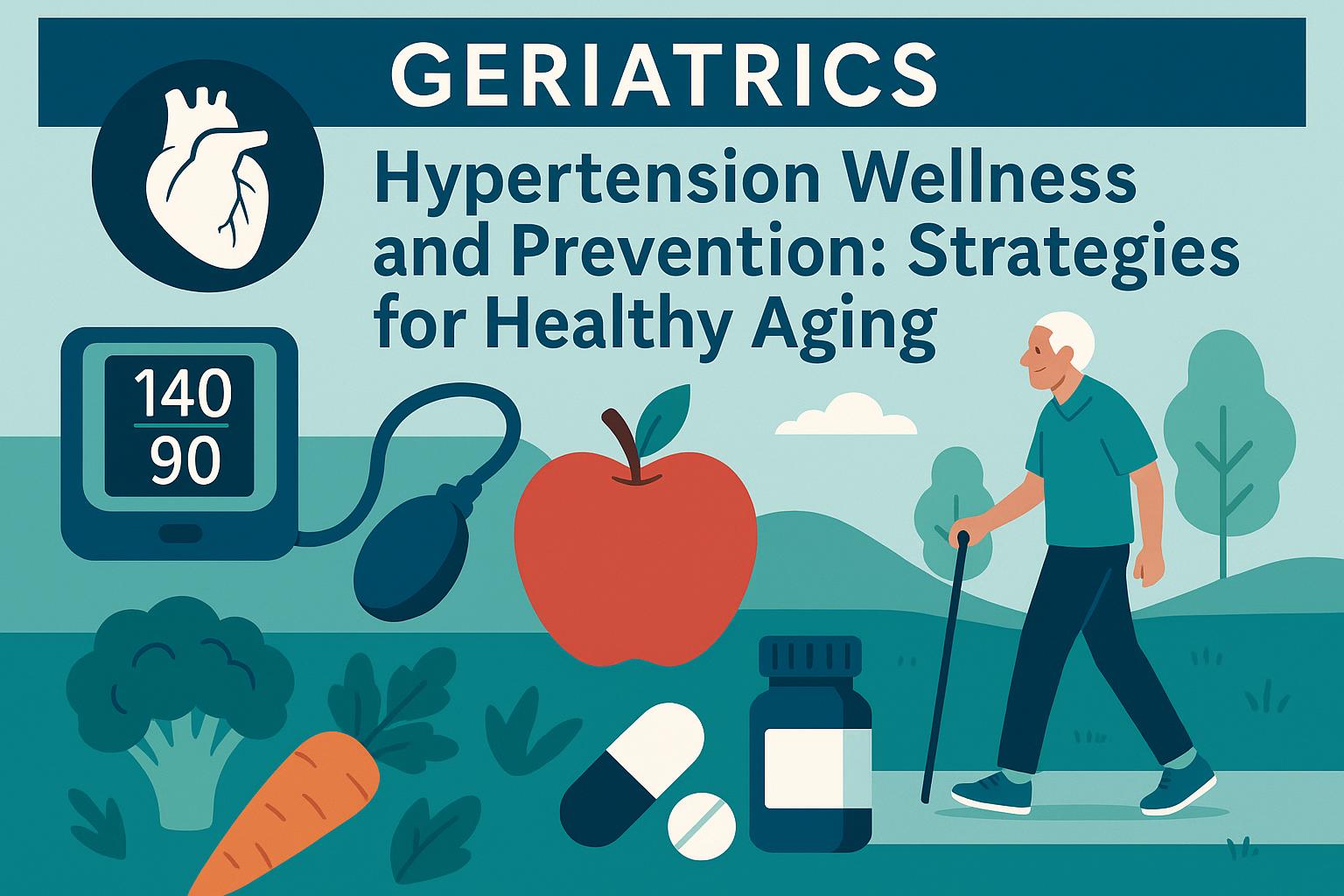
High blood pressure, or hypertension, is one of the most common chronic conditions affecting older adults. While it can remain silent for years, its long-term effects on the heart, kidneys, brain, and blood vessels are significant. This is why understanding GERIATRICS Hypertension Wellness and Prevention is critical for maintaining vitality, independence, and a high quality of life in older age.
In older adults, hypertension is more than just elevated numbers on a blood pressure monitor. Age-related changes in blood vessels, hormonal regulation, and organ function increase vulnerability, making proactive wellness and preventive strategies essential.
For a complete overview, explore GERIATRICS Hypertension Wellness and Prevention.
Why Prevention Is Essential in Geriatrics
With advancing age, arteries become stiffer, kidney function may decline, and the heart faces increased workload. These physiological changes naturally elevate the risk of high blood pressure. When left unmanaged, hypertension can lead to severe complications, including heart attack, stroke, kidney disease, and cognitive decline.
Preventing hypertension is not just about numbers; it is about safeguarding overall health, maintaining mobility, and ensuring functional independence. In geriatric medicine, prevention is as crucial as treatment, and it requires a multifaceted approach.
Healthcare institutions like Liv Hospital emphasize early intervention and integrated wellness programs tailored specifically for older adults.
Key Lifestyle Strategies for Hypertension Prevention
Preventive care starts at home. Lifestyle modifications can significantly reduce the risk of developing high blood pressure and enhance the effectiveness of medical interventions.
1. Balanced Nutrition
Diet is the cornerstone of hypertension prevention. Seniors should focus on:
- Reducing sodium intake: Excess salt contributes to fluid retention and high blood pressure.
- Eating potassium-rich foods: Fruits, vegetables, and legumes help maintain electrolyte balance.
- Choosing whole foods over processed foods: Minimizing preservatives and hidden sodium aids vascular health.
- Maintaining adequate protein intake: Supports muscle health and overall metabolic function.
A diet that combines low sodium, rich nutrients, and heart-healthy fats is highly effective in preventing elevated blood pressure.
2. Regular Physical Activity
Exercise strengthens the cardiovascular system, improves blood circulation, and helps control body weight. Safe and effective activities for older adults include:
- Walking or brisk strolling
- Swimming or aquatic exercises
- Tai chi or yoga for balance and flexibility
- Light resistance training
Engaging in at least 150 minutes of moderate-intensity activity per week is recommended, but any movement that suits the individual’s abilities contributes to prevention.
3. Weight Management
Excess weight increases the strain on the heart and arteries. Even moderate weight loss can lower blood pressure and improve metabolic health. For geriatric patients, weight management should focus on healthy, sustainable strategies rather than rapid loss.
4. Stress Management and Mental Wellness
Chronic stress can trigger sustained increases in blood pressure. Older adults benefit from mindfulness, meditation, hobbies, and social engagement. Maintaining strong emotional support networks helps reduce stress and promotes better cardiovascular health.
5. Limiting Alcohol and Avoiding Tobacco
Alcohol can elevate blood pressure and interact with medications, while smoking damages blood vessels. Minimizing alcohol intake and avoiding tobacco are vital steps in hypertension prevention.
Routine Screening and Monitoring
Prevention also relies on early detection and consistent monitoring. Older adults should regularly check their blood pressure at home and during clinical visits. This allows healthcare providers to identify trends and intervene early.
- Office measurements: Conducted by healthcare professionals using proper technique.
- Home monitoring: Enables seniors to track their daily readings and detect changes promptly.
- Ambulatory monitoring: Provides a 24-hour blood pressure profile, identifying patterns like nocturnal hypertension.
Regular monitoring is critical because hypertension often presents without symptoms, and early detection can prevent long-term complications.
The Role of Medical Guidance
While lifestyle is foundational, medical oversight ensures that preventive measures are appropriate and safe. Physicians may recommend:
- Routine cardiovascular evaluations
- Laboratory tests to monitor kidney function, electrolytes, and cholesterol
- Medication in high-risk individuals to prevent the onset of severe hypertension
Geriatric care is complex, as older adults often manage multiple conditions. Institutions such as Liv Hospital provide integrated care, balancing prevention strategies with overall health management.
Holistic Approaches to Wellness
Hypertension prevention in geriatrics extends beyond blood pressure control. Holistic strategies include:
- Supporting cognitive health through mental exercises and social interaction
- Maintaining mobility and reducing fall risk
- Ensuring adequate sleep and circadian rhythm balance
- Encouraging lifelong learning and social participation
These strategies complement traditional preventive care, helping seniors maintain independence and overall quality of life.
Integrating Prevention into Daily Life
Implementing these wellness strategies requires commitment and consistency. Daily routines might include:
- Morning walks for cardiovascular activity
- Balanced meals with fresh fruits and vegetables
- Weekly stress-reduction practices like meditation or light yoga
- Regular blood pressure checks at home
When these habits are integrated into daily life, they form a sustainable system that supports long-term health.
Conclusion: A Comprehensive Approach to Healthy Aging
Preventing hypertension in older adults is a multi-dimensional process. Understanding GERIATRICS Hypertension Wellness and Prevention involves lifestyle modifications, routine monitoring, medical guidance, and holistic strategies that encompass both physical and mental health.
Older adults can greatly benefit from structured wellness programs and expert clinical guidance provided by institutions like Liv Hospital. Coupling these strategies with daily self-care and lifestyle awareness creates a strong foundation for long-term health.
For broader lifestyle guidance and wellness tips that complement medical care, seniors can also explore resources such as live and feel, offering insights on nutrition, mindfulness, and healthy living practices to support a balanced and fulfilling life.