




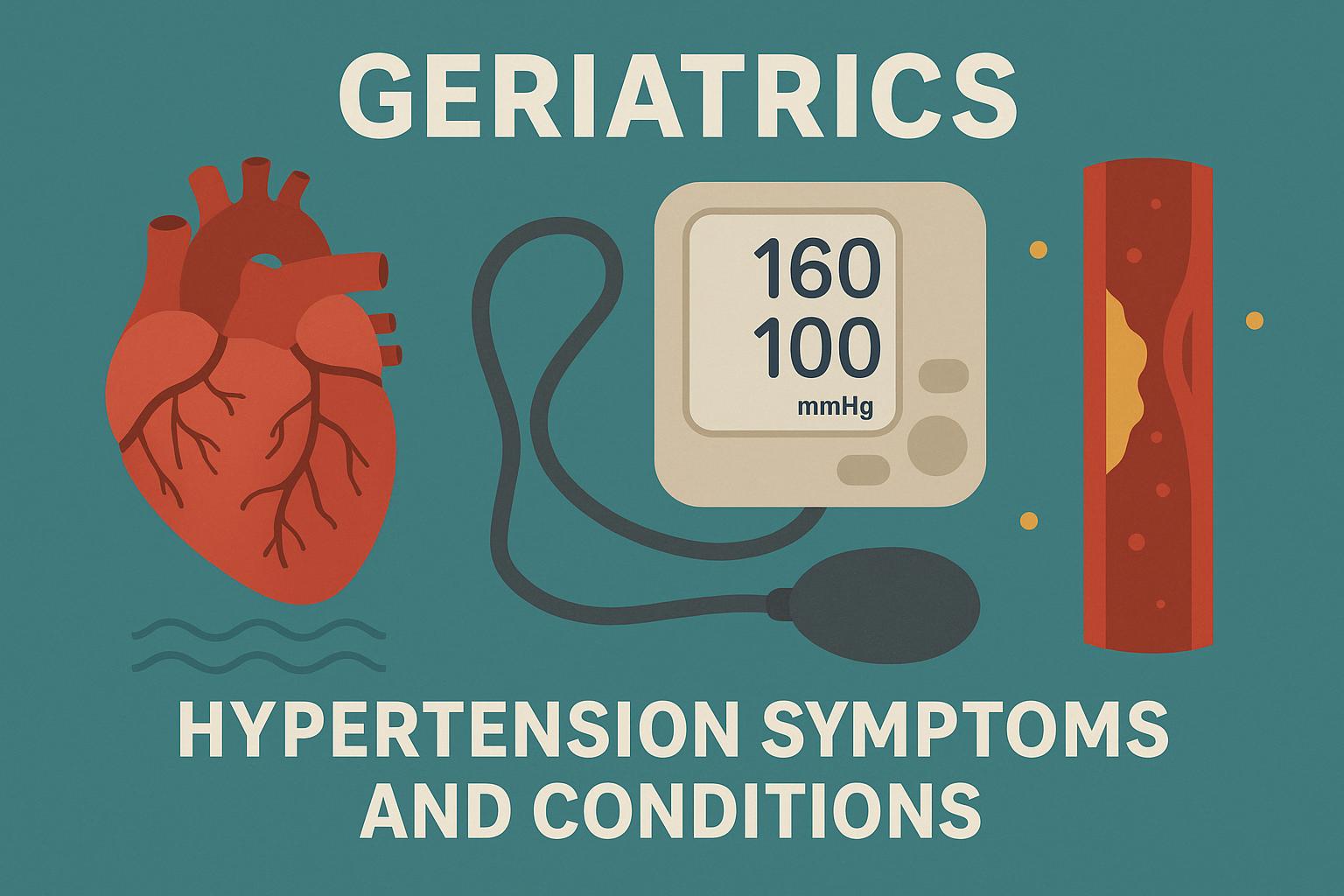
Hypertension is one of the most prevalent chronic health conditions affecting older adults worldwide. As the body ages, changes in blood vessels, organ function, and metabolism increase the likelihood of elevated blood pressure. Understanding GERIATRICS Hypertension Symptoms and Conditions is essential for early detection, effective treatment, and prevention of serious complications that can significantly impact quality of life in later years.
Unlike acute illnesses, hypertension often develops gradually and silently, making it particularly dangerous in geriatric populations. Many older adults live with high blood pressure for years without noticeable symptoms, only discovering the condition after related health problems arise.
Understanding Hypertension in the Geriatric Population
Hypertension refers to persistently elevated blood pressure within the arteries. In older adults, the condition often presents differently than in younger individuals due to age-related physiological changes. One of the most common forms seen in geriatrics is isolated systolic hypertension, where the systolic pressure is high while diastolic pressure remains normal or low.
These changes occur as blood vessels lose elasticity over time, becoming stiffer and less able to accommodate normal blood flow. As a result, the heart must work harder to circulate blood, increasing pressure within the arteries.
For a detailed medical explanation, patients and caregivers can refer to
GERIATRICS Hypertension Symptoms and Conditions, which provides specialized insights into age-related hypertension.
Common Symptoms of Geriatric Hypertension
One of the most challenging aspects of hypertension in older adults is that symptoms are often subtle or entirely absent. This is why hypertension is frequently described as a “silent condition.” However, when symptoms do appear, they may include:
- Persistent headaches, especially in the morning
- Dizziness or lightheadedness
- Fatigue or general weakness
- Shortness of breath during mild activity
- Blurred vision
- Chest discomfort
In some cases, elderly individuals may attribute these symptoms to normal aging, delaying diagnosis and treatment. Regular blood pressure monitoring is therefore critical in geriatric care.
Associated Conditions Linked to Geriatric Hypertension
Cardiovascular Disease
Hypertension is one of the leading risk factors for heart disease in older adults. Prolonged high blood pressure damages arterial walls, increasing the risk of coronary artery disease, heart attack, and heart failure. The aging heart is particularly vulnerable to these changes.
Stroke and Cerebrovascular Disorders
Elevated blood pressure significantly increases the risk of stroke. In geriatric patients, strokes are often more severe and recovery may be prolonged. Hypertension can weaken blood vessels in the brain, leading to either blockage or rupture.
Chronic Kidney Disease
The kidneys play a vital role in regulating blood pressure. Hypertension damages the small blood vessels within the kidneys, impairing their ability to filter waste effectively. Over time, this can lead to chronic kidney disease, which further worsens blood pressure control.
Cognitive Decline and Dementia
Emerging research has linked uncontrolled hypertension in older adults to cognitive impairment and certain forms of dementia. Reduced blood flow to the brain may contribute to memory loss, reduced attention, and slower cognitive processing.
Why Symptoms Often Go Unnoticed in Older Adults
Several factors make hypertension symptoms less noticeable in geriatric patients. Aging bodies adapt gradually to rising blood pressure, masking warning signs. Additionally, many older adults live with multiple chronic conditions, making it difficult to distinguish hypertension-related symptoms from other health issues.
Some elderly individuals may also have reduced pain sensitivity or altered symptom perception, further delaying diagnosis. This reinforces the importance of routine medical checkups and blood pressure screenings, even in the absence of symptoms.
The Role of Early Detection and Monitoring
Early detection is key to preventing complications associated with geriatric hypertension. Regular blood pressure checks allow healthcare providers to identify trends and intervene before organ damage occurs. Monitoring is especially important for elderly patients with diabetes, kidney disease, or a family history of cardiovascular conditions.
Healthcare institutions such as
Liv Hospital emphasize comprehensive geriatric evaluations, combining blood pressure management with broader assessments of physical, cognitive, and functional health.
Managing Symptoms and Related Conditions
Managing hypertension in older adults requires a balanced and individualized approach. Treatment plans often include a combination of medication, lifestyle adjustments, and ongoing monitoring. Physicians aim to control blood pressure while minimizing side effects such as dizziness or sudden drops in pressure that can increase fall risk.
Lifestyle modifications remain a cornerstone of symptom management and may include:
- Reduced sodium intake
- Regular, low-impact physical activity
- Weight management
- Stress reduction techniques
- Adequate sleep
These measures not only help control blood pressure but also improve overall health and independence.
The Importance of Integrated Geriatric Care
Hypertension rarely exists in isolation in older adults. Many patients manage multiple conditions simultaneously, making integrated geriatric care essential. Coordinated treatment plans address hypertension alongside related conditions, ensuring that therapy supports overall well-being rather than focusing on a single measurement.
A patient-centered approach prioritizes quality of life, functional ability, and long-term health outcomes.
Conclusion
Understanding GERIATRICS Hypertension Symptoms and Conditions plays a crucial role in protecting the health and independence of older adults. While hypertension is common in later life, it is not an unavoidable consequence of aging. With early detection, proper medical care, and informed lifestyle choices, its impact can be significantly reduced.
Education, routine screening, and coordinated care are the foundations of successful management. For those seeking broader guidance on wellness, balance, and healthy living beyond clinical care, resources such as
live and feel provide valuable insights that complement medical treatment and support healthier aging.