




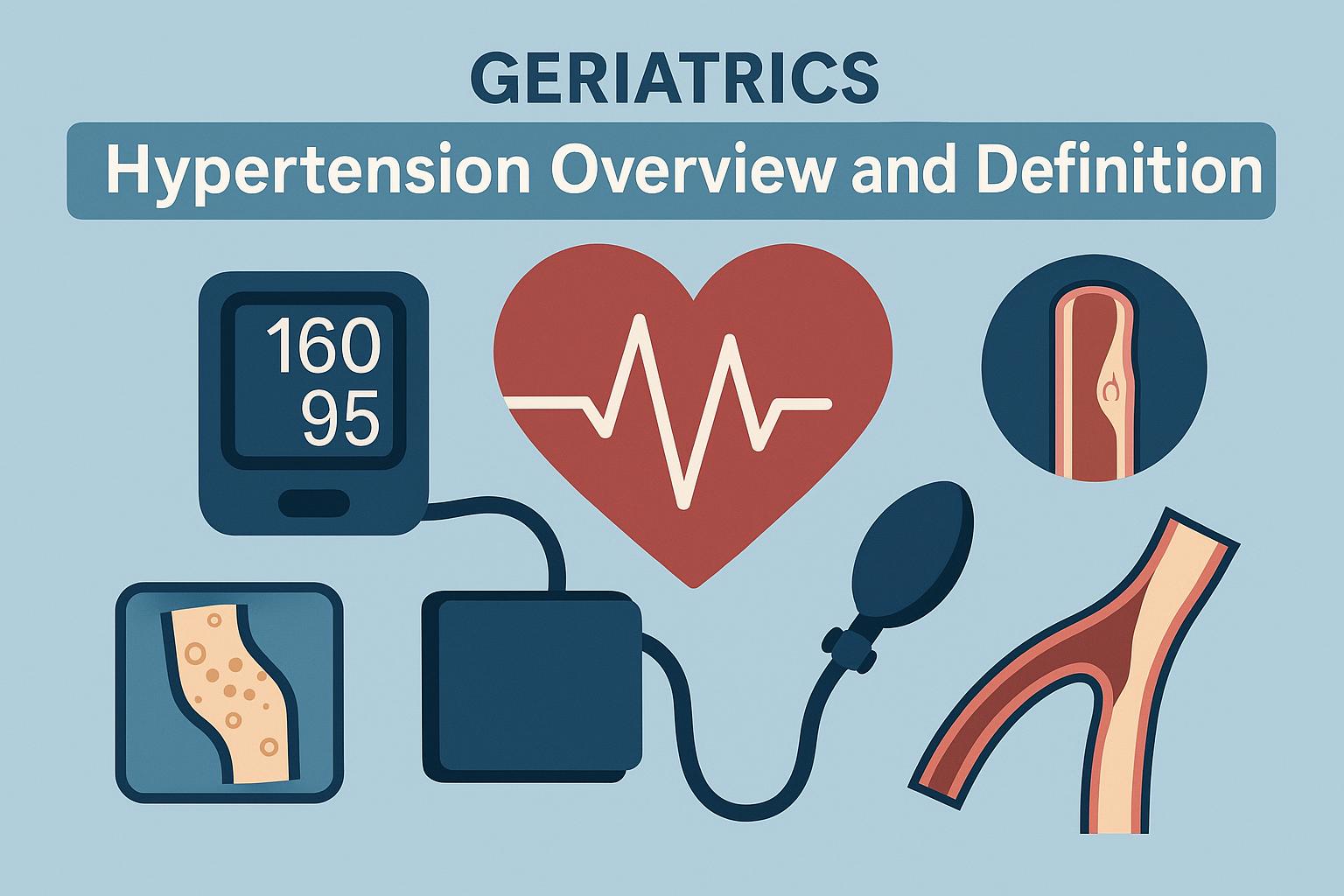
Hypertension is one of the most common chronic medical conditions affecting older adults worldwide. As life expectancy increases, the prevalence of high blood pressure among the geriatric population continues to rise, making it a major public health concern. Understanding GERIATRICS Hypertension Overview and Definition is essential for early detection, proper management, and the prevention of serious complications in aging individuals.
In geriatric medicine, hypertension is not simply a numbers-based diagnosis. It is a complex condition influenced by age-related physiological changes, multiple coexisting diseases, and long-term lifestyle factors. Effective care requires a comprehensive, patient-centered approach rather than a one-size-fits-all treatment strategy.
What Is Hypertension in Geriatric Patients?
Hypertension, commonly referred to as high blood pressure, is defined as a sustained elevation of arterial blood pressure beyond normal levels. In older adults, hypertension often presents differently than in younger populations due to changes in vascular structure and function.
From a clinical perspective, geriatric hypertension is typically diagnosed when systolic blood pressure (the top number) is consistently elevated, even if diastolic pressure remains normal or low. This pattern, known as isolated systolic hypertension, is particularly common in elderly individuals and is a major risk factor for cardiovascular disease.
A detailed explanation of GERIATRICS Hypertension Overview and Definition can be explored through specialized medical resources, such as
GERIATRICS Hypertension Overview and Definition, which provides focused insights into age-related blood pressure management.
Why Hypertension Is More Common in Older Adults
Aging naturally affects the cardiovascular system. Blood vessels gradually lose elasticity, becoming stiffer and less responsive to changes in blood flow. This vascular stiffness leads to increased systolic blood pressure, even in individuals with no prior history of hypertension.
In addition to structural changes, older adults often experience:
- Reduced kidney function, affecting fluid and sodium balance
- Altered hormonal regulation of blood pressure
- Long-term exposure to lifestyle risk factors such as poor diet or inactivity
These factors collectively explain why hypertension is significantly more prevalent in geriatric populations than in younger age groups.
Common Risk Factors for Geriatric Hypertension
Several risk factors increase the likelihood of hypertension in older adults. While some are unavoidable, others can be managed through medical care and lifestyle adjustments.
Key risk factors include:
- Advancing age
- Family history of hypertension
- Sedentary lifestyle
- High sodium intake
- Obesity or excess body weight
- Diabetes and chronic kidney disease
- Long-term stress
Because many elderly patients have multiple risk factors simultaneously, early screening and routine monitoring are essential components of geriatric care.
Clinical Importance of Early Diagnosis
Hypertension in older adults is often referred to as a “silent condition” because it may not produce noticeable symptoms until complications arise. When left untreated, high blood pressure can lead to serious health outcomes, including heart attack, stroke, heart failure, kidney damage, and cognitive decline.
Early diagnosis allows healthcare providers to:
- Reduce cardiovascular risk
- Prevent organ damage
- Improve overall quality of life
- Extend healthy life expectancy
Hospitals specializing in comprehensive geriatric care, such as
Liv Hospital, emphasize preventive screening and individualized treatment strategies for managing hypertension in elderly patients.
Challenges in Managing Hypertension in the Elderly
Treating hypertension in geriatric patients presents unique challenges. Older adults are more susceptible to medication side effects such as dizziness, electrolyte imbalance, and sudden drops in blood pressure, which can increase the risk of falls.
Additionally, many elderly patients take multiple medications for other chronic conditions. This increases the risk of drug interactions and requires careful treatment planning. For this reason, blood pressure targets in geriatric patients are often individualized rather than strictly standardized.
A holistic approach that balances blood pressure control with overall functional well-being is critical in geriatric medicine.
Non-Pharmacological Approaches to Blood Pressure Control
Lifestyle modification plays a crucial role in managing hypertension at any age, but it is especially important for older adults. Non-pharmacological strategies can significantly reduce blood pressure and improve overall health.
These strategies include:
- Maintaining a balanced, low-sodium diet
- Engaging in regular, age-appropriate physical activity
- Managing stress through relaxation techniques
- Limiting alcohol consumption
- Ensuring adequate sleep
When combined with medical treatment, lifestyle changes can enhance therapeutic outcomes and reduce dependence on high medication doses.
The Role of Comprehensive Geriatric Care
Effective hypertension management in elderly individuals requires coordinated care that addresses both medical and functional needs. Comprehensive geriatric care integrates cardiology, internal medicine, nutrition, and rehabilitation services to provide personalized treatment plans.
Institutions with specialized geriatric departments focus not only on controlling blood pressure but also on preserving independence, mobility, and cognitive health. This approach recognizes that successful treatment is measured by improved daily living, not just numerical targets.
Conclusion
Understanding GERIATRICS Hypertension Overview and Definition is essential for promoting healthy aging and preventing long-term complications. Hypertension is not an inevitable consequence of aging, but it is a manageable condition when detected early and treated appropriately.
Through regular screening, individualized care, and lifestyle awareness, older adults can maintain stable blood pressure and a better quality of life. As medical knowledge continues to evolve, education and prevention remain the foundation of successful geriatric health care.
For those interested in broader perspectives on wellness, balance, and healthy living, resources like
live and feel offer valuable insights that complement medical care and support a more holistic approach to aging well.