




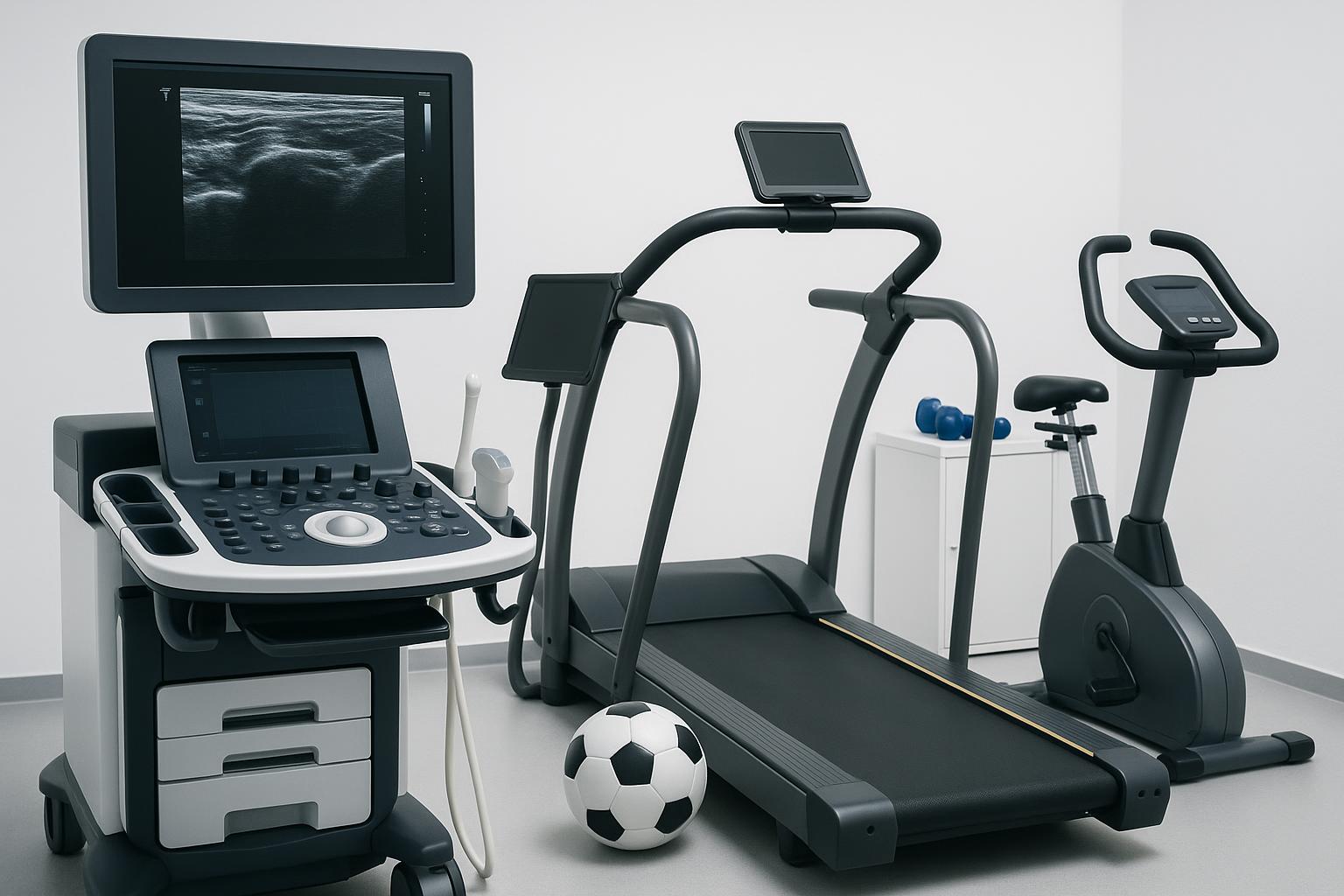
Modern sports medicine and orthopedic physical therapy continue to experience rapid technological advancements. Clinicians, athletic trainers, and physical therapists are constantly seeking objective measurement tools that can quantify human physical performance and muscular imbalances with repeatable accuracy. When managing complex musculoskeletal recoveries, having access to reliable diagnostic data is essential for determining when an athlete or patient can safely return to competition, physical labor, or daily function without risking re-injury.
Isokinetic dynamometry has long stood as the recognized gold standard in human performance testing and rehabilitative assessment. By isolating specific muscle groups and measuring torque production throughout a full range of motion at controlled angular velocities, clinicians gain actionable biomechanical insights that conventional manual muscle testing cannot provide.
This high level of analytical precision allows multidisciplinary medical teams to identify subtle strength deficits, calculate precise agonist to antagonist ratios, and quantify bilateral asymmetries before they compromise joint stability or cause secondary compensatory injuries.
For clinical facilities and sports performance institutions seeking to elevate their diagnostic capabilities, partnering with a certified SMTI Legacy Biodex dealer provides the specialized equipment, ongoing calibration, and technical support necessary to maintain rigorous diagnostic standards. Certified dynamometer systems enable physical therapists to administer standardized testing protocols, offering concrete objective benchmarks for complex post-operative anterior cruciate ligament reconstructions, rotator cuff repairs, patellofemoral disorders, and total joint replacements.
Integrating advanced dynamometry into everyday clinical workflows transforms how physical therapists communicate with orthopedic surgeons, referring physicians, insurance case managers, and patients. Rather than relying on subjective assessments, qualitative mobility scales, or visual movement analysis alone, clinicians can generate comprehensive reports that clearly document peak torque, total work, power output, time to peak torque, and joint range of motion. This documented progress builds substantial patient confidence, improves treatment compliance, and validates specific therapeutic interventions with defensible clinical data.
Beyond post-injury rehabilitation, forward-thinking sports performance centers and collegiate athletic departments routinely utilize isokinetic evaluations to establish preseason baseline metrics. When athletes undergo comprehensive testing during healthy training periods, sports science professionals obtain individualized reference points. Should an acute injury occur during competitive play, subsequent rehabilitation goals can be calibrated against the athlete’s own baseline capabilities rather than generic demographic averages or uninjured limb approximations that may already harbor deficits.
Selecting an experienced equipment and service partner is equally vital for clinical longevity and long-term return on investment. Commercial physical therapy environments demand durable hardware, intuitive software interfaces, and dependable technical maintenance. Professional clinics require dedicated onboarding support, comprehensive clinical staff training, and certified preventative maintenance to ensure that sensitive load cells and positioning attachments deliver uncompromised precision across years of continuous patient utilization.
Standardizing sports medicine testing protocols across regional therapy networks also ensures exceptional consistency of care. Multi-location physical therapy groups benefit significantly when every facility adheres to uniform testing methodology. This consistency allows clinical directors to evaluate patient outcomes across different branches, maintain unified treatment guidelines, and strengthen professional relationships with regional orthopedic surgical practices that depend on reliable return-to-play clearance documentation.
Patient engagement is another substantial benefit provided by modern performance measurement platforms. Interactive visual feedback displays allow patients to monitor their real-time torque production and physical effort during active testing sessions. This immediate visual biofeedback encourages higher motivation and active participation, resulting in improved adherence to prescribed strengthening regimens and more predictable recovery timelines across diverse patient demographics.
As the fields of sports science, biomechanics, and physical rehabilitation continue to advance, objective muscle performance testing remains foundational to evidence-based orthopedic practice. Healthcare organizations that invest in proven isokinetic solutions ensure their clinical teams possess the diagnostic resources required to deliver superior patient outcomes, accelerate safe athletic return, and establish new performance standards across their regional communities.