




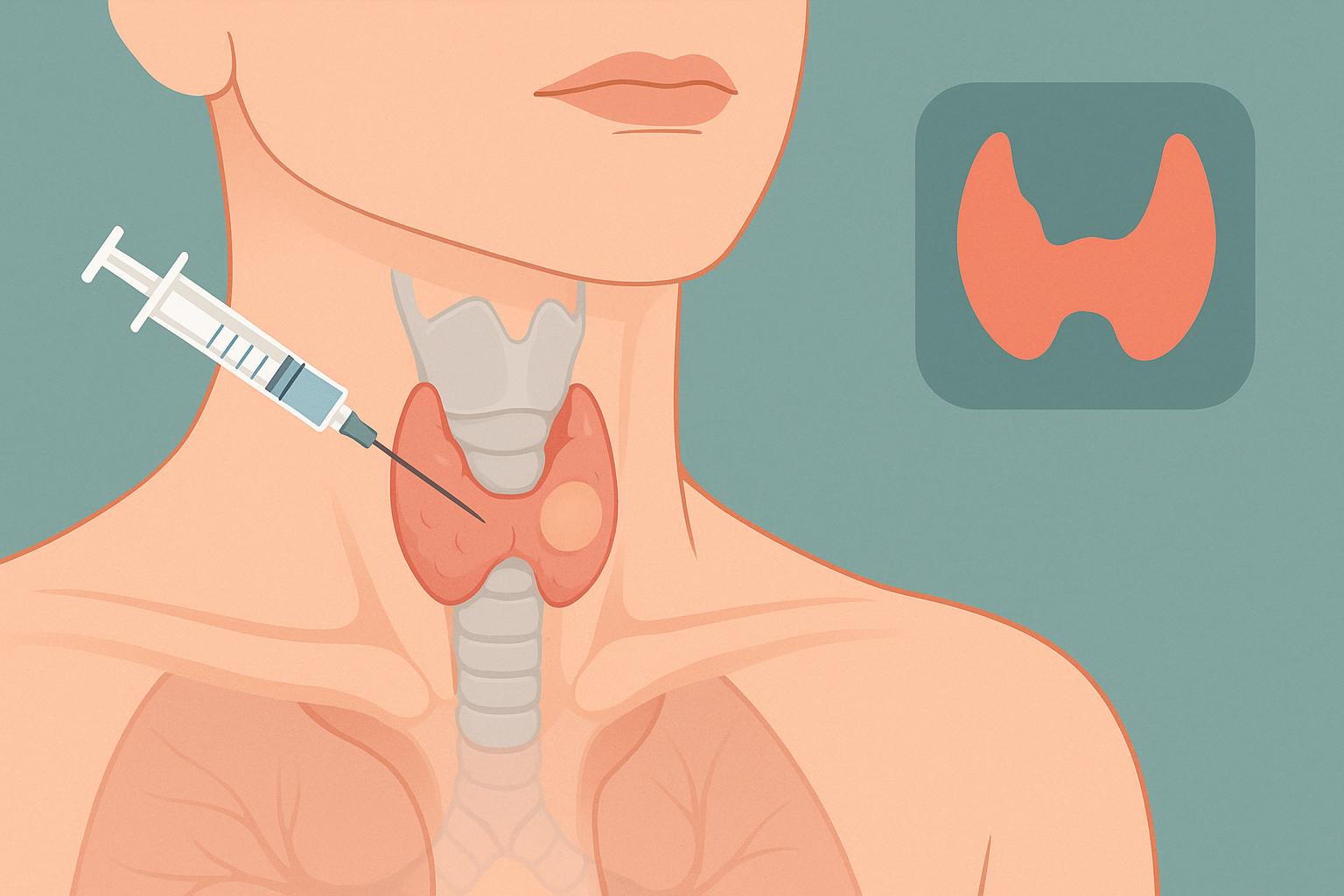
Thyroid nodules are extremely common, and many people discover them during routine health checks, imaging scans, or physical examinations. The moment a person is told they have a thyroid nodule, it often raises understandable concern. One of the biggest questions patients ask is whether a biopsy automatically means surgery will be required. In reality, the answer is far more nuanced, and understanding the reasons for biopsies and how nodules are evaluated can help patients feel more confident and informed.
Why People Undergo Thyroid Nodule Biopsy
When a thyroid nodule is discovered, the doctor’s goal is to determine whether the nodule is benign or requires further attention. This is where the thyroid nodule biopsy Singapore becomes an important diagnostic tool. A biopsy does not imply that surgery is inevitable. Instead, a biopsy often helps patients avoid unnecessary surgery because it provides clarity about the nature of the nodule.
A biopsy, typically performed through fine needle aspiration, is used to examine the cells inside the nodule. This procedure allows doctors to classify the nodule as benign, malignant, or indeterminate. Most thyroid nodules are benign, and many do not require surgical removal. This is why a biopsy is a crucial first step; it guides the next stage of evaluation.
In Singapore and many other countries, endocrinologists and thyroid specialists follow evidence-based guidelines to determine who needs a biopsy. Factors such as ultrasound characteristics, nodule size, and patient history all play a role. Only nodules with suspicious features or significant growth are recommended for biopsy, emphasizing that the process is targeted and not done casually.
Understanding Why Thyroid Nodules Form
Thyroid nodules can arise for several reasons. Some form due to iodine deficiency, while others develop from thyroid inflammation, cysts, or benign overgrowth of tissue. Hormonal changes, aging, and genetic factors can also contribute. Most nodules do not cause symptoms, and many people are unaware they exist until they undergo medical imaging.
While some nodules may affect hormone production, causing symptoms such as fatigue, weight changes, or heart palpitations, many remain functionally inactive. This is why thorough evaluation is essential. Doctors do not rely solely on symptoms or the presence of a nodule. Instead, they use a combination of imaging and biopsy results to determine the best course of action.
What Biopsy Results Actually Mean
A thyroid biopsy typically results in one of several classifications, each of which guides the next steps in management.
Benign Results
A large majority of biopsies return benign findings. In these cases, surgery is usually not required. Instead, patients may be advised to monitor the nodule with periodic ultrasounds. Many benign nodules remain stable for years and never cause problems.
Malignant Results
If cancer cells are detected, surgery is recommended to remove part or all of the thyroid gland. Thyroid cancer generally has a high survival rate, especially when detected early. Biopsy plays an important role in ensuring that treatment happens promptly and appropriately.
Indeterminate or Suspicious Results
Sometimes, the biopsy cannot clearly classify the nodule. In such situations, additional testing may be recommended. Molecular testing, repeat biopsy, or close monitoring are common approaches. Surgery may be suggested if there is a moderate to high risk of cancer, but not all indeterminate nodules require immediate removal.
Non-Diagnostic Results
Occasionally, the biopsy does not gather enough cells for accurate analysis. If this happens, a repeat biopsy may be necessary. Even then, surgery is not the automatic next step unless other signs point toward a significant risk.
When Nodules Need Surgery Even If They Are Not Cancerous
Surgery for benign nodules is not common, but it can be recommended in certain situations. If a benign nodule grows large enough to cause difficulty swallowing, breathing discomfort, or visible neck asymmetry, removal may be considered. Some patients also prefer surgery if the presence of a large nodule causes anxiety or ongoing discomfort.
Other reasons surgery may be suggested include:
- Rapid nodule growth
- Repeatedly inconclusive biopsies
- Nodules that produce excessive thyroid hormones
- Compression of nearby structures such as the trachea or esophagus
Even in these cases, surgery is chosen carefully and only when benefits outweigh risks. Most benign nodules do not reach a point where surgical removal is necessary.
Non-Surgical Management Options for Thyroid Nodules
Modern endocrinology offers several approaches to managing thyroid nodules without removing the thyroid gland. Many of these treatments are minimally invasive and can be alternatives to surgery in selected cases.
Monitoring with Ultrasound
Many patients simply undergo regular checkups. Nodules that remain stable and do not cause discomfort typically do not require intervention.
Thyroid Medication
In certain cases, medications may be used to manage hormone imbalances associated with nodules.
Radiofrequency Ablation
This minimally invasive procedure uses heat to shrink benign thyroid nodules. It does not require removing the gland and is considered a good alternative for those who prefer to avoid surgery.
Laser or Ethanol Ablation
These treatments can reduce the size of cystic or benign nodules, improving symptoms and appearance without surgery.
The Value of Expert Evaluation
A key part of thyroid nodule management is the expertise of the doctor evaluating the results. Endocrinologists and thyroid specialists assess factors such as the nodule structure, medical history, blood test results, and biopsy findings. Their experience ensures that surgery is recommended only when necessary and that patients receive treatment tailored to their condition.
The decision-making process is collaborative. Patients are encouraged to ask questions, clarify their concerns, and understand each option thoroughly. This helps reduce anxiety and supports informed decisions.
Finding Clarity Through Knowledge and Expert Care
Hearing that you need a thyroid biopsy can sound intimidating, but it is often the safest and most practical way to understand what is happening inside the thyroid gland. A biopsy serves as a guide rather than a verdict. Most nodules turn out to be harmless, and many patients never need surgery.
Understanding the purpose of the biopsy and the meaning of its results can help reduce worry and empower patients to make confident decisions. With proper evaluation and modern treatment options, thyroid nodule care today is safer and more precise than ever.
Commonly Asked Questions
Does a thyroid biopsy hurt?
Most people experience only mild discomfort, as the procedure uses a thin needle. Local numbing may be applied, and the process is typically quick.
How long does it take to get biopsy results?
Results usually come back within a few days, though timing may vary depending on the laboratory and testing requirements.
Can a benign nodule become cancerous later?
It is uncommon for benign nodules to turn cancerous. Regular monitoring helps ensure that any changes are detected early.
When should I worry about a thyroid nodule?
You should seek timely evaluation if the nodule grows rapidly, causes symptoms, or shows suspicious ultrasound features. Your doctor will guide you on appropriate follow-up.
Are there alternatives to surgery for large benign nodules?
Yes. Treatments like radiofrequency ablation and ethanol ablation can shrink benign nodules without removing the thyroid gland.
Next Steps
If you have been advised to undergo a thyroid biopsy or have concerns about a thyroid nodule, consider consulting an endocrinologist who can provide a clear assessment and personalised recommendations. With expert evaluation, you can understand your options, avoid unnecessary procedures, and make informed decisions about your thyroid health.