




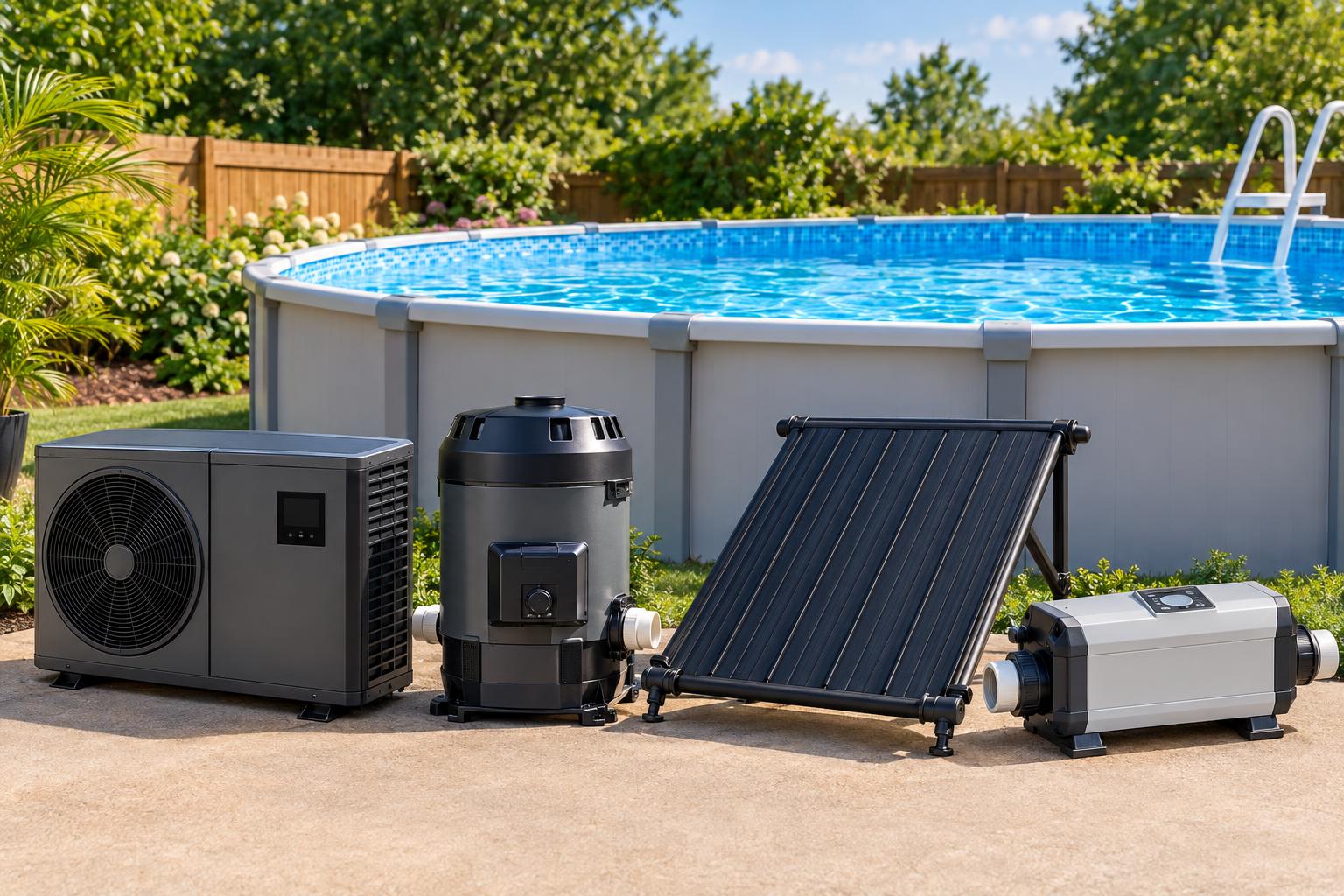
An above-ground pool is a great addition to any home. It provides a convenient place to cool off, spend time with family and enjoy a relaxing swim without the cost of building an in-ground pool. However, cooler days and chilly mornings can make the water less inviting. This is where a good heating system comes in. For homeowners exploring pool heating in Sydney, finding the right equipment can help turn a seasonal swimming pool into a space that can be enjoyed for much longer.
But with several heating systems available, which one is actually worth considering? The answer depends on the pool’s size, how frequently it is used, the household’s budget and the desired water temperature. A good place to start is by understanding the differences between each option.
What Should Homeowners Look for in a Pool Heater?
Above-ground pools have a few characteristics that influence their heating requirements. Unlike in-ground pools, their walls are exposed to the surrounding air, making heat loss an important consideration. Wind, outdoor temperatures and the amount of sunlight the pool receives can all affect how warm the water stays.
A suitable heater for above ground pool installations should have enough capacity to heat the water effectively without creating excessive running costs. It should also be compatible with the pool’s filtration system and available installation space. Choosing the right heater for an above-ground pool also involves considering the local climate and how frequently the pool needs to be heated.
Before choosing a system, homeowners should consider:
- Pool size: Larger pools contain more water and require greater heating capacity.
- Usage habits: Families who swim regularly have different needs from those who use their pools on weekends.
- Energy consumption: Running costs should be considered alongside the initial purchase price.
- Installation requirements: Available space, plumbing connections and electrical capacity can influence the choice.
Getting these details right helps avoid investing in equipment that does not suit the pool.
What Are the Four Heating Options Available?
There is no single heating system that suits every household. Each option has its own strengths, and understanding them makes the selection process much easier. Before purchasing an above ground pool heater, homeowners should compare the initial investment with the expected running expenses.
1. Heat Pumps: An Energy-Efficient Choice
Heat pumps are a popular option for homeowners who want to keep their pool water comfortably warm without spending too much on electricity.
Rather than producing heat directly, these systems draw warmth from the surrounding air and transfer it to the pool water through a heat exchanger. This process allows them to deliver more heat energy than the electricity they consume.
For people comparing pool warmers for above-ground pools, heat pumps are worth a closer look, particularly when the pool is used regularly. A heat pump can also serve as an energy-efficient above ground swimming pool heater for households that want to maintain a comfortable water temperature throughout the swimming season.
2. Solar Heating: A Natural Way to Warm Pool Water
For homeowners who want to make use of renewable energy, solar pool heating is another option.
The system works by circulating pool water through solar collectors, which absorb heat from sunlight before returning the warmer water to the pool. These collectors are generally installed on rooftops or other suitable outdoor surfaces.
One of the biggest advantages is lower ongoing heating costs. Since sunlight provides the energy, homeowners do not need to rely entirely on electricity or gas to warm their pools.
However, solar heating depends on weather conditions. For properties with suitable sunlight exposure, solar collectors can complement an above-ground swimming pool heater setup and reduce reliance on other energy sources.
3. Gas Heating: When Quick Results Matter
Gas heaters work by burning natural gas or LPG to heat water as it passes through the unit. Their main advantage is speed. They can raise pool temperatures relatively quickly, making them suitable for people who prefer to heat their pools shortly before swimming.
This makes gas heating a practical option for occasional pool users who do not need to maintain a warm temperature every day.
The downside is running costs. Gas consumption can add up, especially when heating a large pool or maintaining higher temperatures for extended periods.
4. Electric Heating: Suitable for Smaller Pools
Electric resistance heaters use electrical elements to generate heat directly. Their compact design makes them suitable for certain smaller swimming pools and spas.
They are relatively straightforward in operation, but there is one important consideration: electricity consumption. Unlike heat pumps, which transfer existing heat from the air, resistance heaters generate heat using electricity. This generally makes them more expensive to operate. This above ground pool heater could be a practical option when heating requirements are modest, and the electrical supply is suitable.
How to Keep Pool Water Warm for Longer
Choosing the right heating equipment is only half the job. Keeping the heat inside the pool is just as important.
Here are a few practical ways to retain warmth:
- Use a pool cover: Covering the water when the pool is not in use helps reduce evaporation and overnight heat loss.
- Install wind barriers: Suitable fencing or landscaping can reduce exposure to cool winds.
- Maintain proper water circulation: Clean filters and functioning pumps help the heating system operate effectively.
- Check equipment regularly: Inspecting pipes, connections and heating components helps identify issues before they affect performance.
These small steps can make a noticeable difference to the performance of pool warmers for above-ground pools, while helping households manage their energy bills.
Why Choose Professional Installation
Even the best equipment needs to be installed correctly. The wrong setup can affect heating performance, increase operating costs and create unnecessary maintenance issues.
For systems that require electrical connections, the existing power supply, circuit protection and equipment specifications need to be checked before installation. Working with a qualified electrician in Sydney helps ensure electrical work meets Australian safety standards. Consulting a professional electrician can also help determine whether the existing electrical supply is suitable for the selected heating system.
Homeowners researching pool heating should look beyond equipment prices alone. A reliable provider can help assess the pool’s requirements, recommend suitable heating options and manage the installation process. Ongoing servicing also helps keep the system in good working condition.
So, What Is the Best Heater for an Above-Ground Pool?
The best choice comes down to how the pool is used and what the homeowner wants from the heating system.
For regular swimming and energy efficiency, heat pumps are a strong all-round option. Solar heating suits properties with good sunlight exposure, while gas heaters are useful when faster temperature increases are important. Electric resistance heaters can also work for smaller pools with suitable electrical capacity. Ultimately, the most suitable heater for above ground pool use depends on the household’s budget, swimming habits and preferred heating method.
With the right equipment, sensible heat-retention practices and professional guidance, homeowners can get much more enjoyment out of their swimming pools. After all, a pool should be a place to relax and have fun, not just something that gets used during the hottest months.