




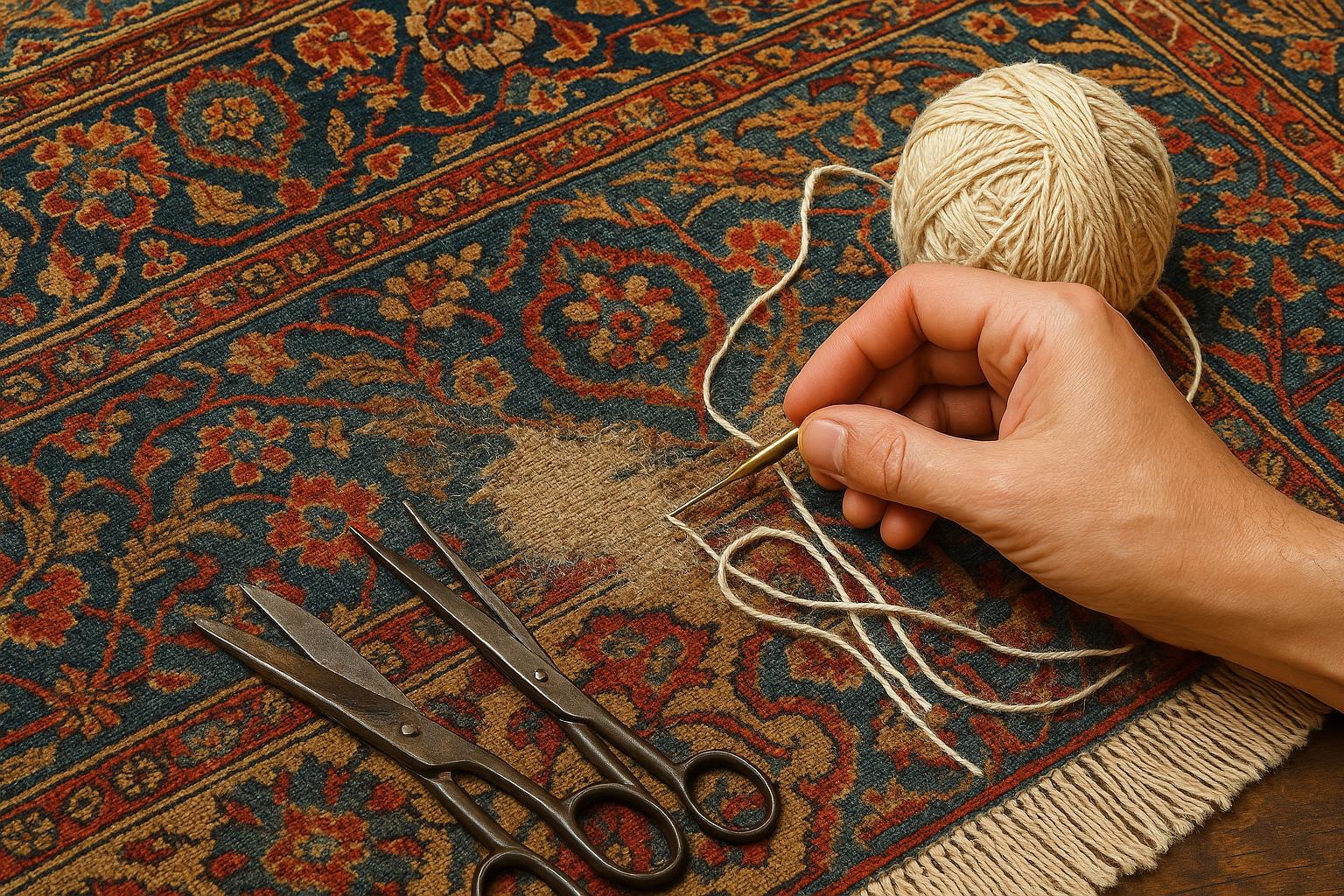
Handmade Oriental rugs are often described as works of art.
Spend a few minutes examining one closely and it’s easy to understand why. The intricate patterns, detailed craftsmanship, vibrant colors, and countless hours of labor involved in their creation make these rugs far more than simple floor coverings.
Many represent generations of weaving traditions passed down through families and communities. Some have survived for decades, while others have remained beautiful for more than a century.
Because of their craftsmanship and cultural significance, restoring these rugs requires a unique combination of technical skill, patience, and artistic understanding.
That’s why homeowners and collectors often seek specialists who can repair oriental rugs while preserving the qualities that make them so valuable.
Handmade Rugs Are Different by Nature
Unlike machine-made rugs, handmade Oriental rugs are created knot by knot.
Every piece reflects the decisions and techniques of the people who crafted it.
Variations in weaving, color, and design contribute to the rug’s character and authenticity.
These same characteristics also make restoration more complex.
No Two Rugs Are Exactly Alike
Each rug has its own:
- Materials
- Weaving style
- Dye composition
- Age
- History
Because of these differences, restoration professionals must evaluate every rug individually before recommending repairs.
Time Leaves Its Mark
Even the highest-quality rugs experience wear over time.
Common issues include:
- Frayed edges
- Worn fringe
- Small tears
- Color fading
- Fiber loss
- Structural weakness
These problems often develop gradually through normal use.
Left untreated, they may continue spreading and eventually threaten the rug’s integrity.
Small Damage Can Become Major Damage
A loose thread or minor tear may seem insignificant.
However, because rugs experience constant movement and pressure, small issues often become larger problems when ignored.
Early intervention typically improves restoration outcomes.
Restoration Requires Both Science and Art
Many people assume rug restoration is simply a technical process.
In reality, it involves a significant artistic component.
Professionals must often:
- Match colors
- Recreate weaving patterns
- Blend repairs seamlessly
- Preserve original character
The goal isn’t to make the rug look brand new.
The goal is to respect its history while restoring stability and beauty.
Invisible Repairs Are Often the Best Repairs
Successful restoration frequently goes unnoticed.
The repair blends naturally into the rug, allowing the craftsmanship to remain the focus.
Why Preservation Matters
Many Oriental rugs carry value beyond appearance.
They may represent:
- Family history
- Cultural heritage
- Financial investment
- Artistic significance
Replacing such a piece is often impossible.
Preservation becomes the preferred option whenever practical.
Professional Restoration Extends Lifespan
Restoration helps rugs continue serving future generations.
Common restoration services may include:
- Edge repair
- Fringe restoration
- Reweaving
- Structural reinforcement
- Color correction
These treatments help stabilize the rug while preserving its original design.
Many collectors pursue Persian rug restoration because they understand the importance of maintaining both beauty and authenticity.
Protecting Craftsmanship for the Future
Handmade Oriental rugs represent extraordinary skill, patience, and artistic tradition. Their value extends far beyond their function as floor coverings. Through professional restoration, these remarkable pieces can continue telling their stories while remaining beautiful and functional for generations to come. Preserving them isn’t simply about saving a rug—it’s about protecting a piece of history.