




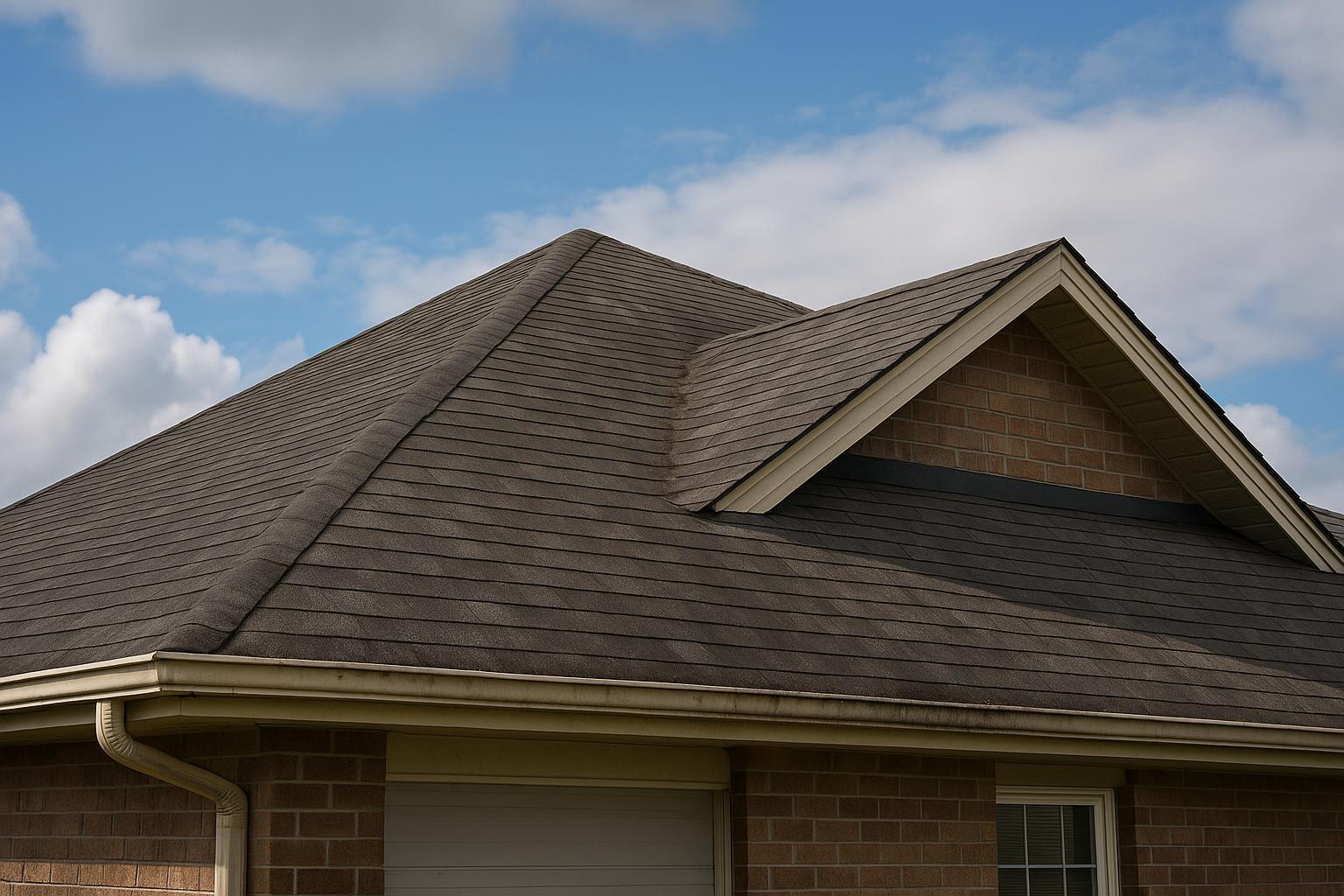
Real estate agents and exterior designers have a running joke about the garage door. It occupies anywhere from 25 to 40 percent of the front facade on most American homes, but it gets less design attention than the front door, the landscaping, or the mailbox. The result is a curious pattern in which homeowners spend significant money on relatively small visual elements while leaving the largest single feature looking dated, dented, or visibly worn.
A 2024 Remodeling Magazine cost-versus-value report ranked garage door replacement among the highest-return home improvement projects, with an average cost recovery of 193 percent at resale. The numbers reflect what listing agents have known intuitively for years. A clean, well-maintained garage door dramatically improves how a home reads from the street, and a worn or damaged one drags down the perception of the entire property regardless of how the rest of the home looks.
The visual impact runs in both directions. A homeowner who keeps the garage door looking sharp gets a better-looking home. A homeowner who lets it deteriorate gets a worse-looking one, even if the front yard is meticulous and the front door has been recently painted.
Why the Garage Door Carries So Much Visual Weight
The reasons come down to scale, position, and prominence.
Scale matters first. The garage door is the largest single visual element on most home facades. The eye reads it before it reads anything else. A door that is clean, level, and visually coordinated with the rest of the home creates a sense of order. A door that is dented, faded, or out of alignment creates the opposite impression no matter what surrounds it.
Position matters second. Most homes are organized so the garage door is among the first features visible from the street. Approach geometry favors the garage in suburban architecture, particularly in homes built since the 1980s where the garage often projects forward of the main facade. This means the garage is doing disproportionate work in establishing the first impression of the property.
Prominence matters third. The garage door’s color, style, and material set the tone for the rest of the exterior palette. Designers who work with builders often select the garage door first and then build the rest of the facade around it because of how strongly it influences perception of color and proportion.
When all three factors align in favor of a thoughtful door, the home reads as cared-for and intentional. When any one factor is off, the effect is hard to overcome with other improvements.
The Maintenance Issues That Most Hurt Curb Appeal
Specific issues do more damage to a home’s appearance than others. Knowing which to address first makes maintenance investments more efficient.
The most curb-appeal-damaging issues, in order of visual impact, are:
- Visible dents and warping in the panels, particularly when sunlight catches them and creates shadows that emphasize the damage
- Faded or chalking paint, which makes a door look decades older than it is and signals general neglect
- Misaligned sections that make the door appear to lean or sag, even slightly
- Damaged or missing weather sealing that creates visible gaps along the bottom or sides
- Discolored or rusted hardware, including hinges, brackets, and opener arms that contrast with a clean door
- Cracked or yellowed window inserts in doors that incorporate windows, which often degrade faster than the door itself
Some of these issues are quick fixes. Replacing weather sealing or repainting hardware takes a weekend afternoon and a small investment. Other issues, particularly panel damage and section misalignment, usually require professional intervention from garage door repair specialists who can assess whether repair or replacement is the better path.
The decision between repair and replacement depends on the age of the door, the extent of the damage, and the visual impact of the most affordable repair. A single damaged panel on a five-year-old door is often worth replacing as a panel. A door with multiple damaged panels and faded paint is usually a better candidate for full replacement.
Color and Style Decisions That Pay Back
For homeowners considering a new garage door, the design choices have meaningful implications for both immediate curb appeal and long-term value.
Color choice is more consequential than most people expect. The garage door does not need to match the home exactly, and in many cases a deliberately contrasting color produces a better visual outcome. Designers generally favor doors that either match the home’s primary trim color or pick up an accent color from the home’s secondary palette.
Pure white doors continue to be the default in many markets, but they are increasingly being replaced with off-white, soft gray, and warm beige tones that do not show dirt as aggressively and produce a more sophisticated visual effect. Darker doors, including charcoal, deep navy, and rich black, work well on homes with light siding and have grown significantly in popularity over the past five years.
Style choice matters as well. The dominant residential styles include traditional raised panel, modern flush panel, carriage house, and contemporary horizontal slat designs. The right choice depends on the architectural style of the home. A carriage house door looks excellent on a craftsman or farmhouse style home and out of place on a mid-century modern. A contemporary slat door looks excellent on a modern home and incongruous on a traditional brick colonial.
When in doubt, a style that nods to the home’s architectural language without trying too hard to make a statement tends to age best.
The Material Question
Garage doors are produced in steel, aluminum, wood, fiberglass, and composite construction. Each material has its place, and the right choice depends on climate, maintenance preferences, and budget.
Steel is the dominant residential material because it offers the best combination of cost, durability, and appearance. Modern steel doors with insulated cores and quality finishes hold up well in most climates and require relatively little maintenance.
Aluminum doors, often paired with glass panels, are popular in contemporary architecture and warm climates. They resist corrosion well and produce a distinctive modern look but are more vulnerable to dents than steel.
Wood doors deliver the highest aesthetic in the right setting and require the most maintenance. Owners who choose wood need to commit to refinishing every three to five years to keep the door looking and performing well.
Fiberglass and composite doors split the difference, offering wood-like appearance with lower maintenance requirements. They have grown in popularity in coastal regions where corrosion and humidity make traditional steel less attractive.
The material decision interacts with climate. In Phoenix and other hot, dry climates, the dominant considerations are heat resistance and color stability. In humid coastal markets, corrosion resistance becomes more important. In cold climates, insulation value matters more than in temperate ones.
Coordinating With the Rest of the Exterior
The most successful garage door updates are the ones that fit into a broader exterior plan rather than standing alone.
Coordinating elements that influence how a new door reads include:
- The front door, which should relate to the garage door visually without matching exactly
- Window trim and shutters, which set the framework the garage door operates within
- Exterior lighting, particularly fixtures near the garage that illuminate the door at night
- Landscaping in front of the garage, which can either frame the door or distract from it
- Hardware on the garage door itself, including any decorative handles or hinges
- The driveway material and color, which forms the foreground for the garage view
Homeowners who consider these elements together produce noticeably better outcomes than homeowners who address them in isolation. A new garage door installed in front of dated landscaping and worn driveway does not deliver the full curb appeal lift it could.
A High-Return Investment Hiding in Plain Sight
Garage doors do not get the design attention they deserve, given their visual prominence and their measurable impact on home value. Homeowners who focus on this part of the exterior, either through diligent maintenance of an existing door or through a thoughtful replacement, see meaningful returns in both how the home looks and how it performs in the market.
The most useful framing is to think of the garage door as the largest piece of architecture on the home’s facade and to treat it accordingly. The economics support the investment, the design returns are real, and the maintenance requirements are modest enough to fit into normal home upkeep. The homeowners who get this right end up with homes that read as cared-for and intentional from the street.
That impression is hard to create through any other single project at comparable cost.