




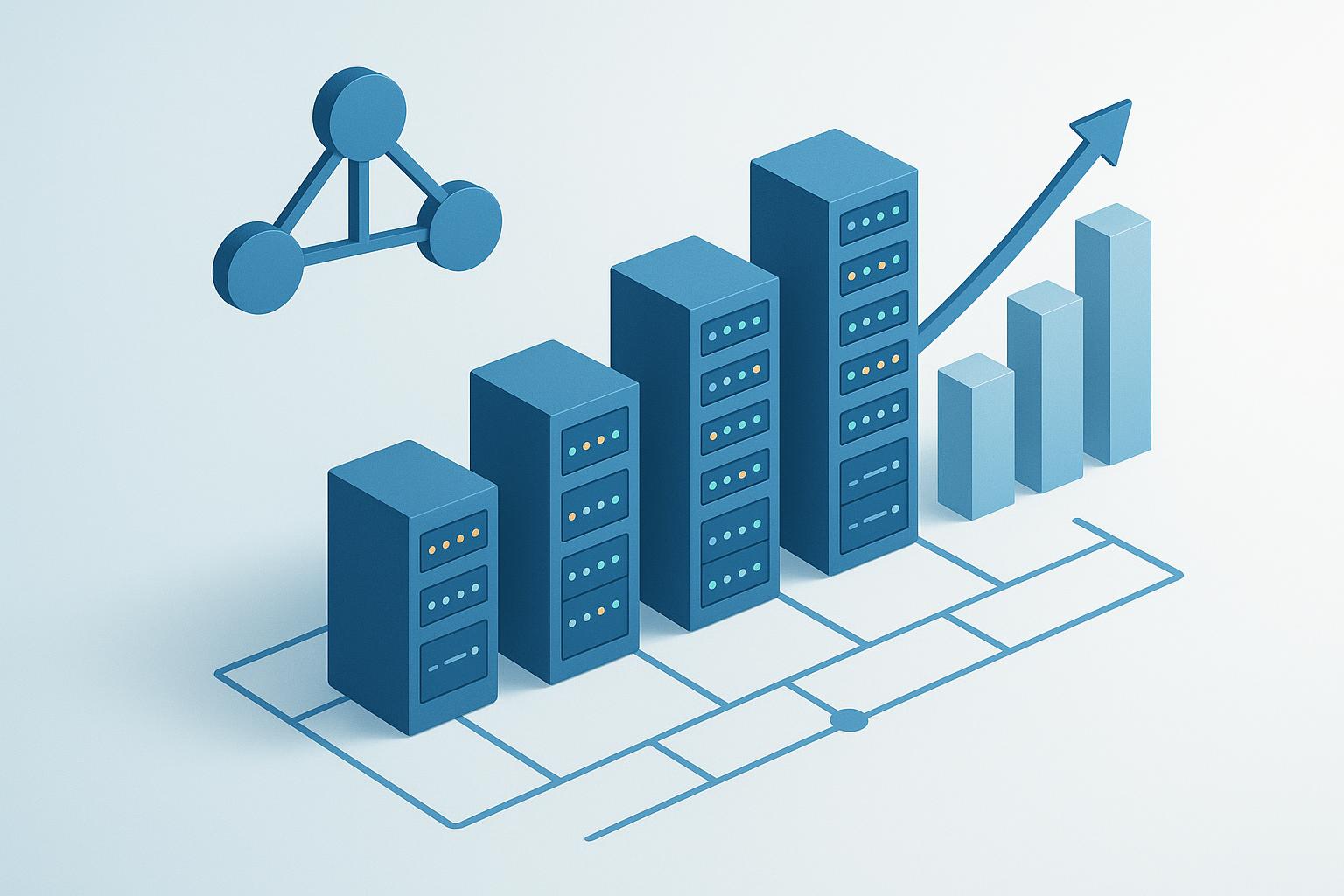
Technology infrastructure serves as the essential foundation for modern businesses in every sector. However, many companies realize that the IT setups that supported them during their early phases start creating major hurdles as they expand. Developing scalable systems from the beginning or updating current ones strategically allows organizations to grow freely, ensuring technology never becomes a barrier that limits progress or puts them at a competitive disadvantage.
Understanding True IT Scalability
Scalability in IT involves much more than just adding extra servers or boosting bandwidth. It requires well-designed systems capable of handling rising numbers of users, massive data volumes, additional applications, and broader geographic presence without needing major overhauls. Cloud computing has changed the game by delivering flexible resources that automatically adjust to real-time demand, removing the need for costly over-provisioning that wastes money during quieter periods.
Network design is vital for supporting expansion. Contemporary organizations require robust networks that accommodate remote teams, various office sites, and an increasing number of connected devices. Using software-defined networking along with strong security measures helps maintain speed and safety during growth. Whether expanding to new locations or adopting flexible work models, the network must evolve smoothly without introducing risks or slowdowns.
Key Challenges in Data and Applications
Data management often becomes a hidden obstacle during business expansion. Growing companies generate vast amounts of information, and without a solid strategy, storage can become disorganized, backups slow down, and data recovery turns risky. Planning ahead for data expansion helps avoid disruptions and eliminates the need for urgent, high-cost solutions later.
Application choices also play a major role in long-term flexibility. Businesses frequently select software based on immediate budget and requirements, only to encounter restrictions as their user base and needs increase. Assessing tools for features like multi-tenant support, strong APIs, and reliable vendors helps prevent difficult and expensive system replacements in the future.
Security must evolve together with the business instead of being added later. What protects a small team often proves insufficient for larger operations. Strong identity controls, adaptive access rules, and continuous monitoring are essential. As the number of systems grows, security automation becomes critical to maintain protection without overburdening IT staff.
Cloud Strategy and Operational Efficiency
Cloud migration delivers powerful scalability advantages when executed properly, rather than through basic system transfers. Moving applications without redesigning them usually misses key benefits. A successful approach involves rethinking how applications are built, how data moves, and how operations run to fully utilize modern cloud capabilities.
Partnering with experienced IT support in San Antonio helps businesses design infrastructure that grows with them. Rather than constantly rebuilding systems to support expansion, companies can adopt smart, future-ready solutions that scale efficiently while controlling costs. This forward-thinking method reduces technical debt and avoids disruptive, expensive upgrades.
Ensuring Long-Term Success
Cost control remains important when planning for scalability. Scalable systems don’t always mean higher expenses. Cloud solutions shift spending from large initial investments to ongoing operational costs, cut unnecessary capacity, and lower maintenance efforts. Well-planned infrastructure often delivers superior performance and dependability at a better overall price.
Disaster recovery must also grow in line with business needs. As operations expand, downtime becomes far more expensive. Recovery plans that were acceptable for smaller companies need to become faster and more reliable to match increased demands.
Integration between systems is equally crucial. When tools fail to connect, businesses face data isolation, repeated work, and limited insights. Scalable setups emphasize seamless integration so that different applications can collaborate effectively.
Advanced monitoring tools are necessary to manage growing environments. What worked through manual checks in smaller setups becomes impractical at scale. Automated systems and centralized dashboards provide clear visibility without requiring extra staff.
By focusing on scalable IT infrastructure, companies prepare themselves to take advantage of new opportunities instead of struggling with limitations. This strategic investment supports steady growth and delivers benefits across all stages of business development.