




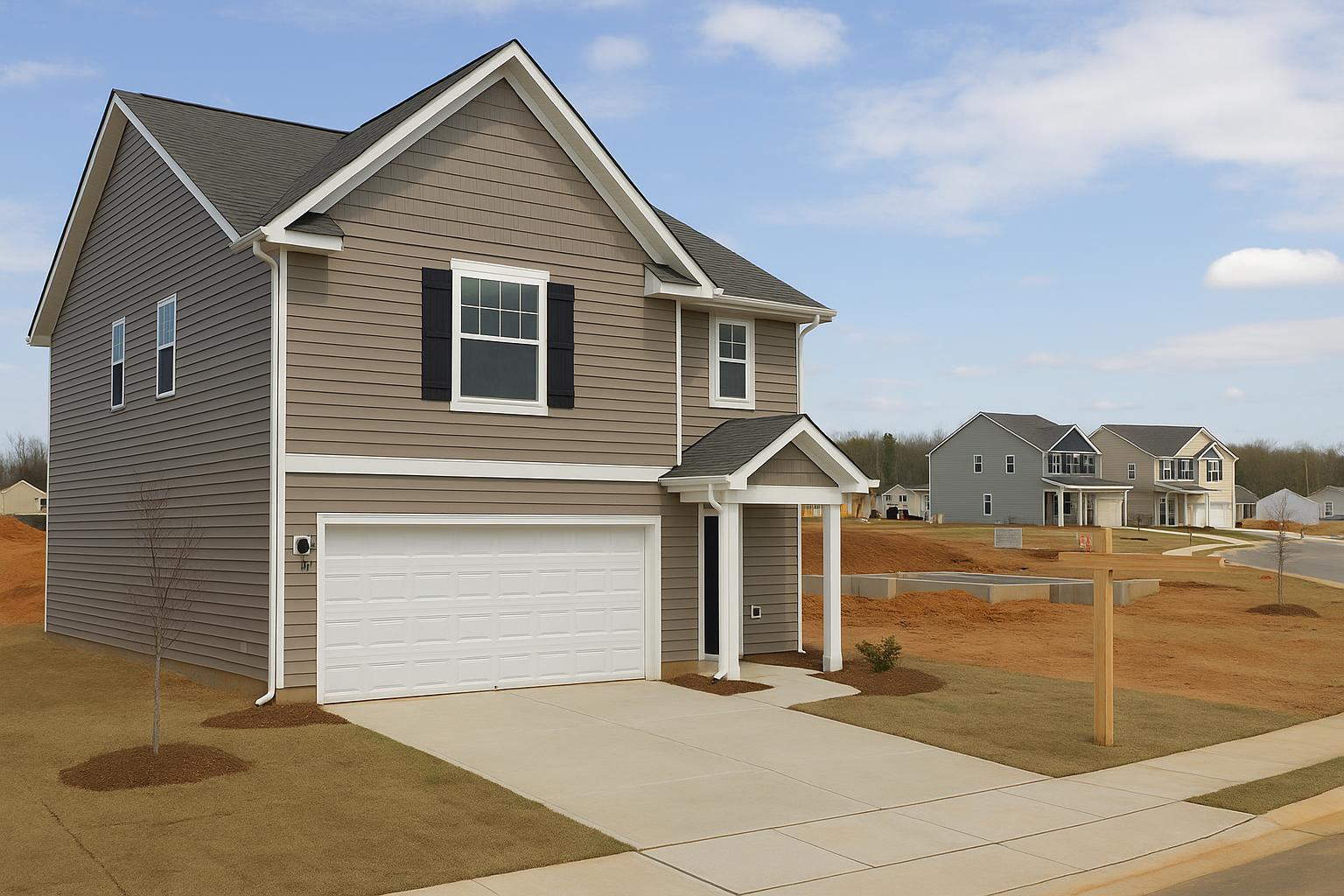
Purchasing a property is one of the most significant financial decisions you’ll make, and in today’s UK housing market, new-build homes are an increasingly popular option. Many buyers begin their search by consulting experienced estate agents in Doncaster, who can provide local insights and guidance on available developments. From modern layouts to energy efficiency, new-build properties offer clear advantages—but they also come with considerations that buyers should carefully weigh.
This guide explores the pros and cons of new-build properties and highlights key factors to help you decide whether they are the right choice for your circumstances.
What Is a New-Build Home?
A new-build home is a property that has never been lived in and is typically sold directly by a developer. These homes are often located on newly constructed estates, ranging from small developments to large-scale housing communities.
They are usually sold off-plan or shortly after completion, and the buying process can differ slightly from purchasing an older home, particularly in terms of timelines and conveyancing.
The Advantages of Buying a New-Build Property
1. Energy Efficiency and Lower Running Costs
New-build homes are constructed to meet modern building regulations, often achieving high EPC ratings (Energy Performance Certificates). This means better insulation, double or triple glazing, and efficient heating systems—resulting in lower utility bills and a smaller carbon footprint.
2. Minimal Maintenance
One of the biggest attractions is the reduced need for repairs. Everything from the roof to the boiler is brand new, and most developers provide warranties (such as a 10-year NHBC guarantee), offering peace of mind.
3. Modern Design and Features
New-builds are designed with contemporary living in mind—open-plan layouts, integrated appliances, and smart home features are common. Buyers may also have the opportunity to customise finishes if purchasing early in the build process.
4. Simpler Buying Chain
Because you’re buying directly from a developer, there’s usually no onward property chain, which can reduce the risk of delays or transactions falling through.
Potential Drawbacks to Consider
1. Premium Pricing
New-build homes often come at a premium compared to similar older properties in the same area. This “new-build premium” can affect resale value, particularly in the short term.
2. Limited Negotiation Flexibility
Developers are typically less willing to negotiate on price, although incentives such as stamp duty contributions, upgrades, or help with legal fees may be offered instead.
3. Snagging Issues
Even brand-new homes can have defects, known as “snags”. These might include minor cosmetic issues or unfinished work, so it’s important to carry out a thorough snagging inspection before completion.
4. Leasehold Considerations
Some new-build homes—particularly flats—are sold as leasehold rather than freehold. This means ongoing ground rent and service charges, which can increase over time. Understanding the terms of the lease is essential.
Key Market Considerations in the UK
Property Location and Infrastructure
New developments are often built on the outskirts of towns or cities. While this can offer more space and green surroundings, it’s important to assess transport links, schools, and local amenities.
Government Schemes and Incentives
While older schemes like Help to Buy have closed to new applicants, developers may still offer alternative incentives. Buyers should carefully evaluate whether these represent genuine value or simply offset higher asking prices.
Mortgage and Lending Requirements
Some lenders have stricter criteria for new-build properties, particularly flats. You may need a larger deposit, so it’s wise to speak with a mortgage adviser early in the process.
Council Tax and Charges
New-build homes fall into council tax bands based on their assessed value. In addition to this, some developments have estate management charges for maintaining communal areas—an extra cost to factor into your budget.
Resale and Long-Term Value
While new-builds are appealing, resale competition can be strong if multiple similar properties are available nearby. Considering long-term demand and local market trends is crucial before committing.
Practical Tips for Buyers
- Research the developer’s track record for quality and reliability.
- Review the reservation agreement carefully, including deadlines for exchange of contracts.
- Budget for extras, as fixtures and fittings may not all be included.
- Arrange a professional snagging survey before moving in.
- Seek independent legal advice during conveyancing to fully understand contracts and lease terms.
Conclusion: Is a New-Build Right for You?
New-build homes offer modern living, energy efficiency, and a straightforward buying process, making them particularly attractive to first-time buyers and those seeking low-maintenance properties. However, the higher purchase price, potential leasehold complexities, and long-term value considerations mean they are not always the ideal choice for everyone.
Ultimately, the decision comes down to your personal priorities—whether that’s convenience, location, budget, or future investment potential. By understanding the realities of the UK housing market and carrying out thorough research, you can make a confident, informed decision that suits your needs