




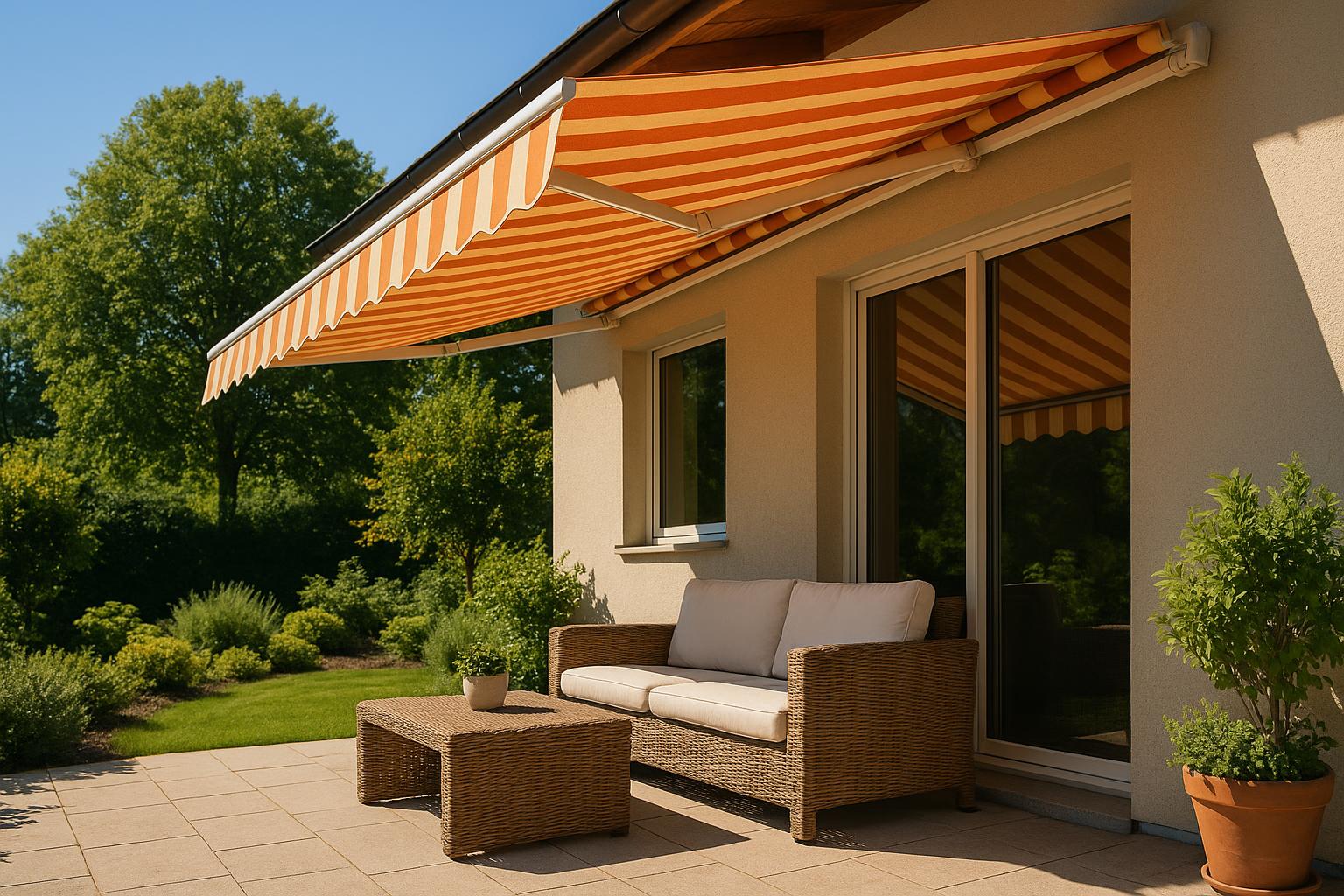
An awning does a quiet but important job. It shields your patio from blazing sun, protects windows from heat, and gives your outdoor space that relaxed, café-like charm.
But here’s the catch.
Awnings sit outside all day, every day. Sunlight, wind, rain, dust, and bird droppings slowly wear them down. Ignore maintenance long enough and even a high-quality awning will start fading, sagging, or growing mildew.
The good news is that keeping markiisid in great shape doesn’t require complicated tools or expensive treatments. A few simple habits can add years to its lifespan.
Here are seven practical tips that actually work.
1. Clean Your Awning Regularly
Dust, pollen, and pollution settle on awnings faster than most homeowners realize. Over time, that buildup traps moisture and leads to stains or mold.
A light cleaning every few weeks keeps things under control.
Use a soft brush to remove loose debris, then rinse the fabric with water. For deeper cleaning, mix mild soap with lukewarm water and gently scrub the surface.
Avoid harsh chemicals or pressure washers. They may seem effective, but they can damage protective coatings on the fabric.
2. Don’t Let Water Sit on the Fabric
Standing water is one of the fastest ways to damage an awning.
If rainwater collects on the surface, it stretches the fabric and encourages mildew growth. Over time, this can cause sagging or permanent warping.
Make sure the awning is installed at the correct angle so rain naturally drains off. If you notice water pooling after storms, adjust the pitch or gently push the water off with a broom.
A little prevention here saves a lot of repairs later.
3. Retract It During Strong Winds
Wind is the silent enemy of many awnings.
Even a sturdy frame can bend if strong gusts catch the fabric like a sail. Retractable awnings are especially vulnerable when left open during storms.
If your awning is retractable, get into the habit of closing it whenever strong winds or heavy storms are expected.
Some homeowners install wind sensors that automatically retract the awning when gusts get too strong.
4. Watch for Mold and Mildew
Moisture combined with shade creates the perfect environment for mold and mildew.
If you see dark spots or smell a musty odor, clean the awning immediately. A solution of mild soap and water usually does the trick.
For stubborn mildew, a specialized fabric cleaner may be needed. Just be sure the product is safe for awning materials.
The earlier you treat mildew, the easier it is to remove.
5. Trim Nearby Trees and Branches
Trees provide beautiful shade, but they can also create problems for awnings.
Falling leaves, twigs, and sap often land directly on the fabric. Branches rubbing against the awning during windy days can even tear the material.
Keeping nearby branches trimmed reduces debris and protects the structure from accidental damage.
Think of it as giving your awning some breathing room.
The Bottom Line
An awning isn’t a “set it and forget it” feature.
With regular cleaning, a little storm awareness, and occasional inspections, your awning can stay vibrant and functional for well over a decade.
The effort is small, but the payoff is big: cooler outdoor spaces, better curb appeal, and fewer replacement costs down the road.
Want professional help keeping your awning in top condition? Check out Avaeksperdid for expert awning maintenance, repair, and installation services.