




Simone Monasebian is a New York City attorney and public policy leader with more than three decades of experience advancing human rights, criminal justice reform, and survivor advocacy. Simone Monasebian began her legal career in the early 1990s representing clients in civil rights and criminal matters, later taking on international roles prosecuting war crimes and leading defense and legal aid efforts within United Nations–affiliated tribunals. Her work has spanned multiple continents and complex legal systems, with a consistent focus on protecting vulnerable populations and promoting accountability.
Today, Simone Monasebian serves as Chief Program Officer for Sanctuary for Families, where she oversees comprehensive services for survivors of domestic violence, trafficking, and gender-based violence. Her professional background emphasizes preparation, risk awareness, and informed decision-making, principles that translate well to outdoor safety topics. When applied to recreational activities such as kayaking, these principles highlight the importance of understanding environmental risks, personal limits, and proper preparation to reduce preventable harm while enjoying the outdoors responsibly.
Essential Safety Guidance for Kayakers
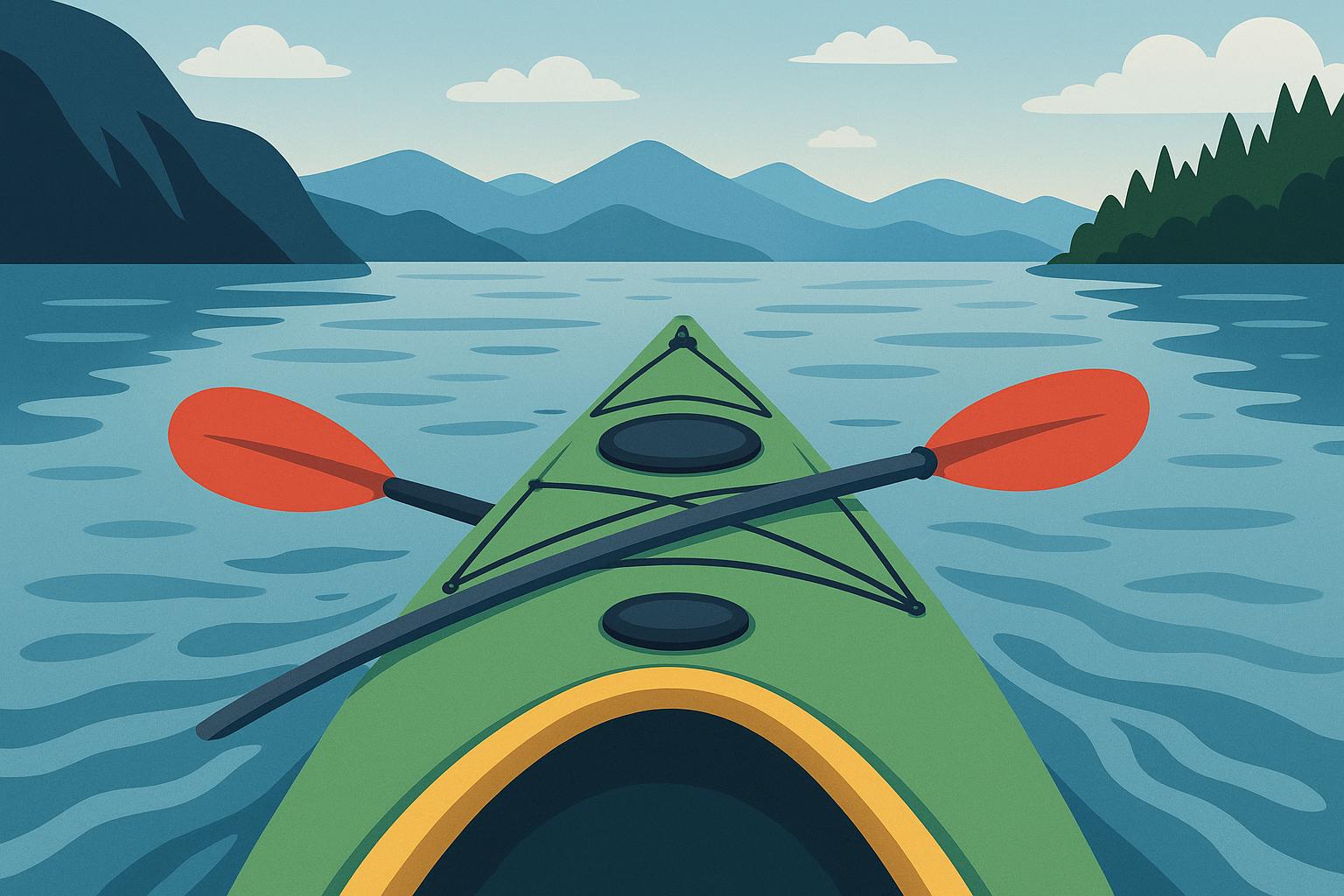
Kayaking is a challenging, often thrilling outdoor activity that allows participants to explore unique natural environments while engaging in physical exercise. According to data from the Outdoor Industry Association, kayaking ranks as the most popular paddling sport in the United States. Whether a person is a newcomer to the sport or an experienced kayaker, individuals should always observe important kayaking safety standards.
Kayakers face many challenges and potential dangers while paddling on open waters, including lakes, rivers, and the ocean. Wind, weather, and water conditions make drowning a risk that kayakers must take seriously. Without proper preparation, kayakers can suffer an array of additional health threats, from sunburns to injuries affecting the head, arms, and wrist, among others. In some cases, kayakers may even need to navigate unexpected wildlife encounters.
To begin, individuals should track real-time weather updates when preparing for a kayaking excursion. In addition to monitoring for storms and rough waters, paddlers should pay close attention to the temperature. Kayaking during very cold days can increase the risk of hypothermia and similar conditions, while paddling on overly warm days can lead to heat exhaustion, fatigue, and related issues. Individuals should check both the air and water temperatures.
If the forecast calls for strong winds and large waves, kayakers should reconsider their plans. These conditions make capsizing more likely. Capsizing is always a possibility, regardless of weather conditions. With this threat in mind, kayakers should practice self-rescue techniques under controlled conditions so they know how to recover after capsizing.
Visibility is an important safety factor for kayakers. This means that not only should paddlers avoid kayaking on foggy days, but that they should always remain within sight of shore. Similarly, paddlers should avoid kayaking in areas heavy with watercraft traffic, as larger vessels may not always see kayaks, resulting in collisions.
Inexperienced kayakers may overlook less common kayaking obstacles, such as wildlife encounters. Wildlife encounters vary considerably depending on a kayaker’s location and the type of water they are paddling on. Most animals avoid human encounters, but kayakers should understand that sharks, alligators, snakes, and stingrays can pose a threat, especially if they feel threatened. Beavers can also become highly aggressive if they believe that their young are endangered. It is incumbent upon kayakers to research local animals and keep a safe distance from all wildlife.
Those new to kayaking should spend extra time learning about and assessing their equipment. Beyond choosing a kayak that fits their specific paddling needs, they should invest in weather-appropriate clothing, a properly-fitted life jacket, a flotation device for their kayak, and a helmet, along with navigation devices and important support devices, such as a dry bag for gear and a bilge pump.
If a person is paddling in a new area, they should always look into local boating rules and regulations. Certain laws are universal – for example, individuals should never kayak while under the influence of alcohol.
Last but not least, kayakers should practice to refine their skills and only plan trips that correspond with their abilities. Kayaking beyond one’s limits significantly increases the likelihood of an accident or injury. Many waterways adhere to the International Scale of River Difficulty, an American system that rates a river’s challenge level for paddlers. Novice kayakers should stick to Class I and Class II rapids, while more experienced paddlers can take on Class III and Class IV rapids. Only expert kayakers should attempt Class V rapids, while only world-class kayakers can explore Class VI rapids.
About Simone Monasebian
Simone Monasebian is a New York City attorney and Chief Program Officer for Sanctuary for Families. With more than 30 years of experience in civil rights law, international criminal justice, and survivor advocacy, she has held senior roles with the United Nations and international tribunals. Her work focuses on protection, accountability, and informed decision-making across complex and high-risk environments.