




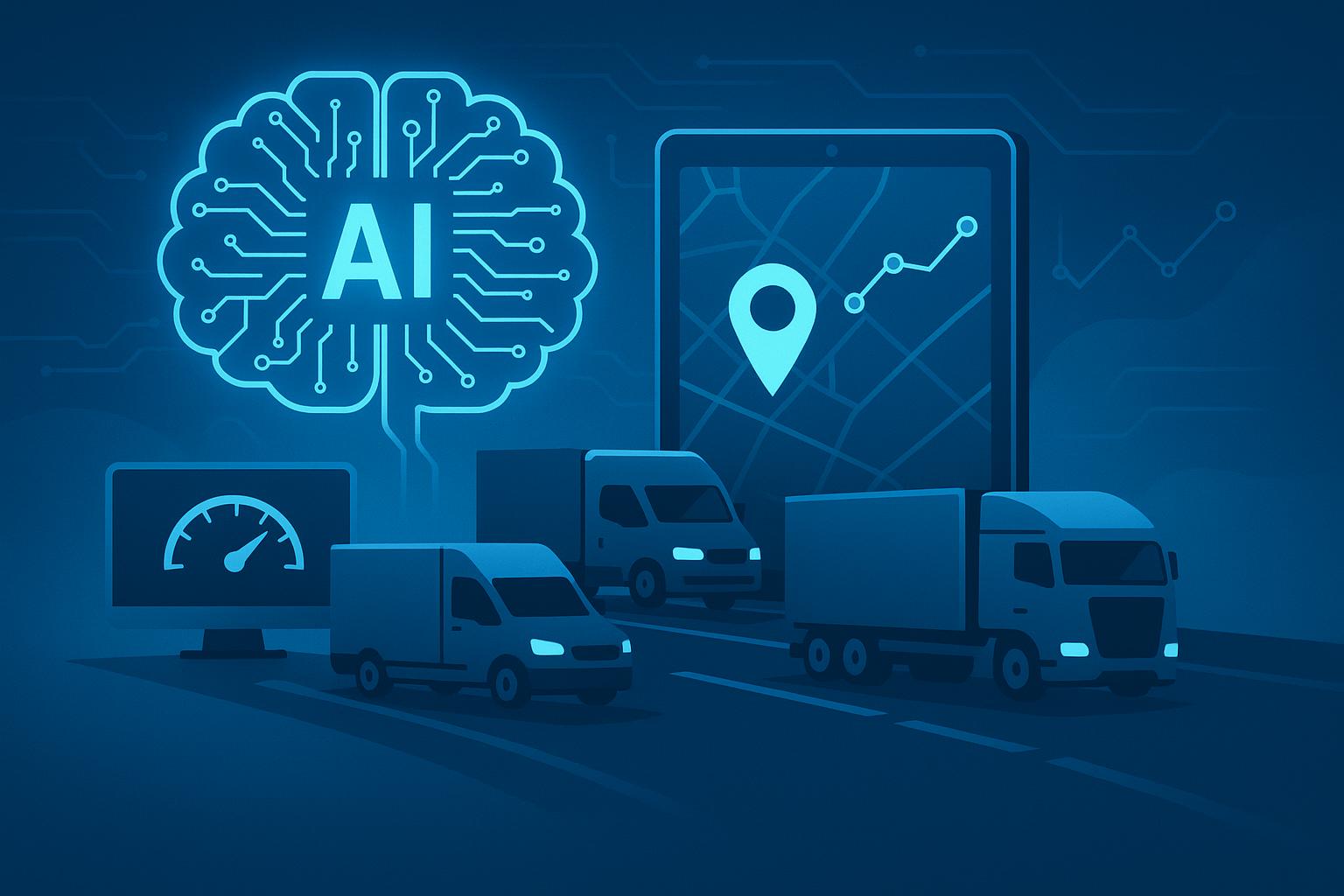
AI-powered fleet management has emerged as a transformative force in the commercial transportation industry, fundamentally reshaping how businesses operate, maintain, and optimize their vehicle assets. As trucking companies face mounting pressures from rising operational costs, driver shortages, and increasingly stringent regulatory requirements, artificial intelligence offers solutions that were unimaginable just a decade ago. This comprehensive exploration examines how AI technologies are revolutionizing fleet operations, the tangible benefits businesses are realizing, and the strategic considerations fleet managers must address when implementing these advanced systems.
Understanding the AI Revolution in Fleet Management
The integration of artificial intelligence into fleet operations represents a paradigm shift from reactive management approaches to predictive and prescriptive strategies. Traditional fleet management relied heavily on historical data analysis, scheduled maintenance intervals, and human judgment to make operational decisions. While these methods served the industry for decades, they inherently lagged behind real-time conditions and failed to capture the complex interrelationships between countless operational variables.
Modern AI-powered fleet management systems continuously process vast streams of data from multiple sources, including telematics devices, engine control modules, driver behavior monitors, weather services, traffic systems, and fuel management platforms. Machine learning algorithms identify patterns within this data that would be impossible for human analysts to detect, enabling predictions about equipment failures, optimal routing decisions, and efficiency improvements with remarkable accuracy.
The evolution toward AI-driven operations reflects broader technological trends affecting every sector of the economy. However, the commercial transportation industry stands to benefit disproportionately from these advances due to the complexity of fleet operations, the high costs associated with downtime and inefficiency, and the critical importance of safety in moving goods across the nation’s highways.
Predictive Maintenance: Preventing Failures Before They Occur
Perhaps no application of artificial intelligence delivers more immediate and measurable value to fleet operators than predictive maintenance. Traditional maintenance strategies fall into two categories: reactive maintenance, where repairs occur after failures happen, and preventive maintenance, where service is performed at predetermined intervals regardless of actual equipment condition. Both approaches carry significant limitations that AI-powered predictive maintenance overcomes.
Reactive maintenance inevitably results in unplanned downtime, roadside breakdowns, missed deliveries, and potentially dangerous situations for drivers and other motorists. The costs extend far beyond the repair itself to include towing expenses, driver detention time, cargo delays, customer dissatisfaction, and damage to business relationships. For fleets operating on thin margins, a single major breakdown can erase weeks of profitable operations.
Preventive maintenance, while reducing unexpected failures, often results in unnecessary service and parts replacement. Components that could safely operate for thousands of additional miles are replaced simply because a calendar date or mileage interval has been reached. This approach wastes money on premature maintenance while still failing to prevent all unexpected failures, since equipment does not always fail according to predictable schedules.
AI-powered predictive maintenance analyzes real-time data from sensors monitoring engine performance, transmission behavior, brake wear, tire condition, battery health, and dozens of other parameters. Machine learning models trained on historical failure data identify subtle patterns that precede equipment problems, often detecting developing issues days or weeks before they would result in failures. Fleet managers receive alerts prioritized by severity and urgency, enabling them to schedule repairs during planned downtime at preferred service locations.
The financial impact of predictive maintenance extends throughout fleet operations. Maintenance costs decrease as unnecessary preventive services are eliminated and repairs are performed before minor issues escalate into major failures. Vehicle availability increases as unplanned downtime decreases. Driver satisfaction improves when equipment operates reliably. Customer relationships strengthen when deliveries arrive on schedule. Insurance costs may decrease as fleets demonstrate improved safety records.
Intelligent Route Optimization and Dynamic Planning
Route optimization represents another domain where artificial intelligence dramatically outperforms traditional approaches. Conventional routing software calculates efficient paths based on distance and known traffic patterns, but these static solutions fail to account for the countless variables that affect real-world transportation operations. AI-powered routing systems continuously adapt to changing conditions, delivering solutions that minimize costs while meeting service requirements.
Modern AI routing platforms integrate real-time traffic data, weather conditions, road construction information, delivery time windows, driver hours-of-service status, fuel prices along potential routes, and vehicle-specific factors such as weight restrictions and hazmat routing requirements. The algorithms evaluate millions of possible route combinations in seconds, identifying optimal solutions that balance multiple competing objectives.
Dynamic replanning capabilities prove particularly valuable when unexpected situations arise. When traffic incidents, weather events, or customer schedule changes occur, AI systems automatically recalculate routes and communicate updates to drivers through integrated navigation systems. This responsiveness prevents the cascading delays that often result when a single disruption affects multiple subsequent deliveries.
The fuel savings alone from intelligent routing often justify the investment in AI-powered systems. By selecting routes that minimize distance, avoid congestion, and account for terrain and vehicle characteristics, fleets typically achieve fuel consumption reductions ranging from five to fifteen percent. Given that fuel represents one of the largest operating expenses for most fleets, these savings translate directly to improved profitability.
Beyond immediate cost savings, AI routing optimization contributes to sustainability goals that are increasingly important to shippers and consumers. Reduced fuel consumption means lower carbon emissions, helping fleets meet environmental commitments and potentially qualifying for sustainability-focused contracts with environmentally conscious customers.
Driver Safety and Behavior Management
The application of artificial intelligence to driver safety represents one of the most consequential developments in commercial transportation. Vehicle accidents impose enormous costs on fleets through property damage, cargo losses, insurance premium increases, legal expenses, and most importantly, injuries and fatalities affecting drivers and the public. AI-powered safety systems address these risks through continuous monitoring, real-time intervention, and data-driven coaching programs.
Advanced driver assistance systems powered by AI technology actively monitor road conditions and driver behavior, providing warnings and interventions when dangerous situations develop. Forward collision warning systems use cameras and sensors to detect vehicles, pedestrians, and obstacles ahead, alerting drivers to potential collisions with sufficient time to take corrective action. Lane departure warnings notify drivers when vehicles drift from their lanes without turn signals activated, addressing a common precursor to serious accidents.
Driver-facing cameras combined with AI analysis have emerged as powerful tools for identifying risky behaviors and coaching improvement. These systems detect distracted driving, drowsiness, phone use, smoking, and other behaviors associated with increased accident risk. Rather than simply recording events for post-incident review, modern AI systems provide real-time alerts that interrupt dangerous behaviors before they result in accidents.
The coaching capabilities of AI safety platforms transform driver management from punitive approaches focused on violations to positive development programs focused on improvement. Algorithms identify specific behaviors where individual drivers need coaching, enabling targeted training that addresses actual weaknesses rather than generic instruction. Gamification features encourage healthy competition among drivers, with recognition and rewards for safe performance.
Fleet managers gain unprecedented visibility into safety performance across their operations. Dashboard analytics reveal trends, identify high-risk drivers requiring intervention, and demonstrate the effectiveness of safety programs over time. This data proves invaluable during insurance negotiations, regulatory audits, and customer qualification processes where safety records influence business opportunities.
Fuel Management and Consumption Optimization
Fuel expenses typically represent the second-largest cost category for fleet operators after driver compensation, making fuel management a critical focus area for AI applications. Artificial intelligence addresses fuel costs through multiple mechanisms, from optimizing purchasing decisions to influencing driver behaviors that affect consumption.
AI-powered fuel management systems analyze fuel price data across thousands of locations along fleet routes, identifying optimal fueling stops that balance price, location convenience, and quantity needs. These systems consider factors including current fuel levels, remaining route distance, price trends, and credit term optimization to recommend fueling decisions that minimize overall costs. For large fleets making thousands of fueling transactions monthly, the cumulative savings from optimized purchasing prove substantial.
Beyond purchasing optimization, AI systems address the operational factors that influence fuel consumption. Driver behavior represents the largest controllable variable affecting fuel economy, with differences between efficient and inefficient driving techniques potentially exceeding twenty percent in fuel consumption for identical vehicles and routes. AI coaching systems monitor behaviors including excessive idling, harsh acceleration, speeding, and inefficient gear selection, providing feedback that helps drivers adopt more fuel-efficient techniques.
Vehicle specification and configuration decisions benefit from AI analysis of operational data. By examining fuel consumption patterns across different vehicle types, engine configurations, and equipment specifications operating in various conditions, fleets gain insights that inform procurement decisions. This analysis might reveal, for example, that certain aerodynamic configurations deliver greater fuel savings on specific routes, or that particular engine ratings optimize the balance between performance and efficiency for fleet applications.
Integration with emerging electric and alternative fuel vehicle technologies represents an expanding frontier for AI fuel management. As fleets begin incorporating battery electric vehicles, the complexity of managing mixed fleets with different fueling and charging requirements demands sophisticated optimization capabilities that AI systems are uniquely positioned to provide.
Compliance Management and Regulatory Navigation
The commercial transportation industry operates within an extensive regulatory framework encompassing hours-of-service rules, vehicle maintenance requirements, driver qualification standards, hazardous materials regulations, and numerous other compliance obligations. Violations result in fines, out-of-service orders, and potential impacts on operating authority. AI-powered compliance management systems help fleets navigate these requirements while minimizing administrative burden.
Electronic logging device mandates have generated vast quantities of data regarding driver hours and duty status. AI systems analyze this data to identify potential violations before they occur, alerting drivers and dispatchers when approaching hours limits and suggesting schedule adjustments that maintain compliance while meeting delivery commitments. Sophisticated algorithms optimize the use of available driving hours across multi-day trips, ensuring drivers maximize productivity within legal limits.
Maintenance compliance represents another area where AI delivers significant value. Regulations require fleets to conduct and document regular vehicle inspections and address identified defects within specified timeframes. AI systems track inspection schedules, monitor defect resolution status, and ensure documentation meets regulatory requirements. When audit inquiries arrive, fleets with AI-powered compliance systems can quickly produce the required records, demonstrating systematic attention to regulatory obligations.
Driver qualification file management benefits from AI automation that tracks expiration dates for licenses, medical certificates, training requirements, and other credentials. Rather than relying on manual tracking systems prone to oversight, AI platforms provide automated alerts ensuring that driver qualifications remain current and properly documented.
The regulatory landscape continues evolving, with new requirements emerging regularly at federal and state levels. Industry publications covering AI fleet technology developments provide valuable resources for fleet managers seeking to stay current with both regulatory changes and the technological solutions addressing compliance challenges.
Asset Utilization and Capacity Optimization
Maximizing the productive utilization of fleet assets directly impacts profitability, yet many fleets operate with significant untapped capacity. AI-powered asset management systems identify opportunities to improve utilization through better planning, reduced empty miles, and optimized equipment allocation.
Empty mile reduction represents a primary focus for AI optimization efforts. Industry averages suggest that commercial trucks operate empty or partially loaded for a substantial percentage of total miles traveled. AI platforms match available capacity with freight opportunities, identifying backhaul loads that generate revenue from otherwise unproductive movements. Integration with load boards, shipper systems, and freight marketplaces enables automated identification and evaluation of opportunities matching fleet capabilities and preferences.
Equipment allocation optimization ensures that the right vehicles are assigned to appropriate loads and routes. AI systems consider factors including vehicle specifications, driver qualifications, customer requirements, and maintenance schedules when making assignment recommendations. This optimization prevents mismatches that result in inefficiency, such as deploying specialized equipment on loads that don’t require its capabilities while that equipment is needed elsewhere.
Trailer pool management benefits particularly from AI optimization in fleets operating large numbers of trailers across multiple locations. Algorithms track trailer positions, predict demand at various locations, and recommend repositioning moves that ensure equipment availability while minimizing empty movements. The complexity of these optimization problems exceeds human analytical capabilities, making AI solutions essential for achieving optimal performance.
Integration Challenges and Implementation Considerations
Despite the compelling benefits of AI-powered fleet management, implementation presents challenges that organizations must thoughtfully address. Successful adoption requires attention to technology infrastructure, data quality, organizational change management, and vendor selection considerations.
Data quality fundamentally determines the effectiveness of AI systems. Machine learning algorithms are only as good as the data from which they learn. Fleets must ensure that telematics devices, sensors, and other data sources are properly installed, calibrated, and maintained. Data integration across multiple systems requires attention to standardization and quality assurance processes that ensure consistent, accurate information flows to AI platforms.
Technology infrastructure requirements vary depending on the specific AI solutions being implemented. Cloud-based platforms reduce on-premises infrastructure needs but require reliable connectivity. Edge computing solutions that process data locally before transmission to central systems may be appropriate for certain applications. Fleets should assess their current technology capabilities and identify gaps requiring investment.
Organizational change management often proves more challenging than technology implementation. AI systems may recommend actions that conflict with established practices or individual preferences. Drivers may resist monitoring systems perceived as intrusive. Maintenance personnel may question AI recommendations that differ from their experience-based judgments. Successful implementation requires clear communication about the benefits AI systems provide, involvement of affected personnel in implementation planning, and ongoing feedback mechanisms that build trust in system recommendations.
Vendor selection demands careful evaluation of both technology capabilities and vendor viability. The AI fleet technology market includes established telematics providers expanding their capabilities, specialized AI startups offering innovative solutions, and technology giants entering the transportation vertical. Fleets should assess vendor financial stability, technology roadmaps, integration capabilities, customer support quality, and references from similar operations.
The Future of AI in Fleet Operations
The current generation of AI fleet management solutions represents merely the beginning of artificial intelligence’s transformation of commercial transportation. Emerging technologies and evolving capabilities promise even greater impacts in the years ahead.
Autonomous vehicle technology, while not yet ready for widespread deployment, continues advancing toward commercial viability. AI systems currently managing fleet operations will eventually integrate with autonomous driving capabilities, creating seamlessly optimized operations where vehicle movements, maintenance, and logistics planning are coordinated by unified artificial intelligence platforms.
Natural language interfaces are making AI systems more accessible to users across all roles within fleet organizations. Rather than requiring specialized training to interpret dashboard analytics, users will increasingly interact with AI systems through conversational interfaces that provide insights and recommendations in plain language.
Collaborative AI platforms enabling information sharing across fleets while protecting competitive sensitivities may emerge, allowing the industry to benefit from larger data sets that improve predictive accuracy. Such platforms could accelerate the development of AI capabilities that benefit all participants while maintaining appropriate data privacy protections.
The integration of AI with broader supply chain systems will extend optimization beyond individual fleet operations to encompass end-to-end logistics networks. Fleets will increasingly participate in AI-orchestrated supply chains where transportation, warehousing, manufacturing, and retail operations coordinate seamlessly to optimize overall system performance.
Building Organizational AI Capabilities
Fleet organizations seeking to maximize value from AI investments should approach capability building as a strategic priority rather than a series of tactical technology purchases. This perspective shapes decisions about technology investments, talent development, and organizational structures.
Developing internal expertise in AI technologies enables organizations to make informed decisions about solutions, effectively implement and configure systems, and extract maximum value from technology investments. This expertise may come through hiring specialists, developing existing personnel through training programs, or engaging consultants who can transfer knowledge to internal teams.
Data strategy should be elevated to a strategic planning consideration. Organizations should inventory existing data assets, identify gaps limiting AI capabilities, and develop plans for capturing additional data that will enable future applications. Investments in data infrastructure often prove foundational for AI success.
Partnerships with technology providers should be structured to promote knowledge transfer and capability building rather than dependency. Organizations benefit from understanding not just how to use AI systems but how they work and how they can be optimized for specific operational contexts.
Resources from the heavy-duty trucking industry provide valuable ongoing education about AI developments and implementation best practices. Staying connected with industry developments helps fleet managers identify emerging opportunities and learn from peers’ experiences with AI adoption.
Measuring AI Return on Investment
Demonstrating the financial returns from AI investments helps justify continued funding and guides decisions about expanding AI applications. Effective measurement requires establishing baseline metrics before implementation, tracking relevant performance indicators over time, and accounting for factors beyond the AI systems that may influence results.
Maintenance cost metrics should track both direct costs and related factors including unplanned downtime, roadside service calls, and warranty recovery. Comparing these metrics before and after predictive maintenance implementation reveals the systems’ financial impact.
Fuel cost analysis should account for variables including fuel price fluctuations, route mix changes, and weather patterns that affect consumption independent of AI optimization. Normalizing for these factors enables accurate assessment of AI system contributions to fuel savings.
Safety performance metrics including accident rates, severity, insurance costs, and compliance violations provide insight into AI safety system effectiveness. Improvements in these areas often generate significant financial returns through reduced insurance premiums, lower claim costs, and avoided regulatory penalties.
Utilization metrics tracking revenue miles, empty mile percentage, and asset productivity reveal the impact of AI optimization on capacity utilization. Improvements in these areas directly enhance profitability by generating more revenue from existing assets.
Conclusion
AI-powered fleet management has transitioned from emerging technology to operational necessity for fleets seeking to remain competitive in an increasingly challenging business environment. The benefits spanning predictive maintenance, route optimization, driver safety, fuel management, compliance, and asset utilization combine to deliver substantial operational and financial improvements.
Successful adoption requires thoughtful attention to technology selection, data quality, organizational change management, and capability building. Fleets that approach AI implementation strategically, with clear objectives and appropriate resources, position themselves to realize the full potential of these transformative technologies.
The pace of AI advancement ensures that today’s leading-edge capabilities will become baseline expectations in the years ahead. Fleet organizations that establish AI capabilities now will be better positioned to adopt emerging technologies as they mature, maintaining competitive advantages in an industry where efficiency and service quality increasingly differentiate market leaders from followers.
As the commercial transportation industry continues evolving, artificial intelligence will play an ever-expanding role in shaping how fleets operate, compete, and serve their customers. The organizations that embrace this transformation thoughtfully and strategically will define the future of fleet management.